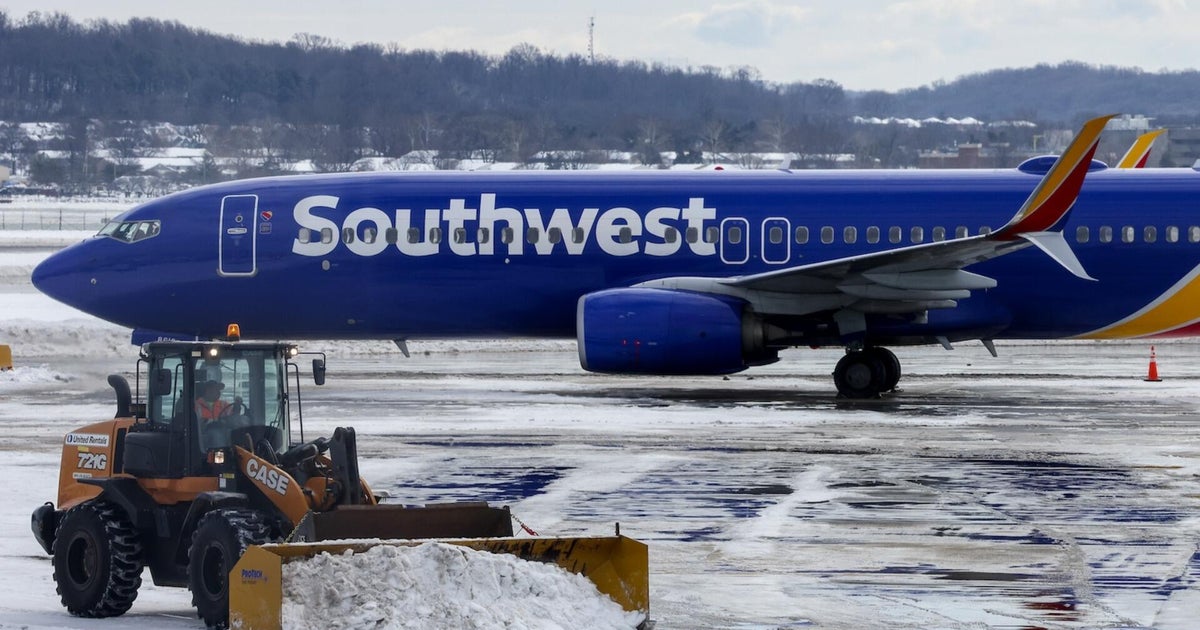
Southwest Airlines reversed part of its controversial policy requiring plus-sized passengers to purchase two seats, allowing gate agents to assign a free second seat when available. The change follows backlash from advocacy groups and travelers, with the airline citing a need for “a more consistent and seamless experience” for customers requiring extra space. The updated policy, effective May 2026, marks a shift from a January rule that mandated advance payment for additional seats, sparking criticism from the National Association to Advance Fat Acceptance (NAAFA).
Policy Shift and Advocacy Backlash
Southwest’s revised policy, announced in late May 2026, allows gate agents to provide a second seat at no cost if adjacent seats are available, a departure from its January rule that required passengers to pre-purchase an extra seat. The airline stated this change aims to “create a more consistent and seamless experience for customers who require an additional seat,” while still encouraging travelers to book in advance to avoid last-minute rebooking. “We’ve seen Southwest dive into the sea of sameness in the past two years, getting rid of pro-traveler policies like bags fly free, and open seating, to name a few,” said Katy Nastro, a travel expert at Going, in a statement to CBS News. “This rollback feels like, for the first time in a while, Southwest is bringing back some of the LUV to its passengers.”
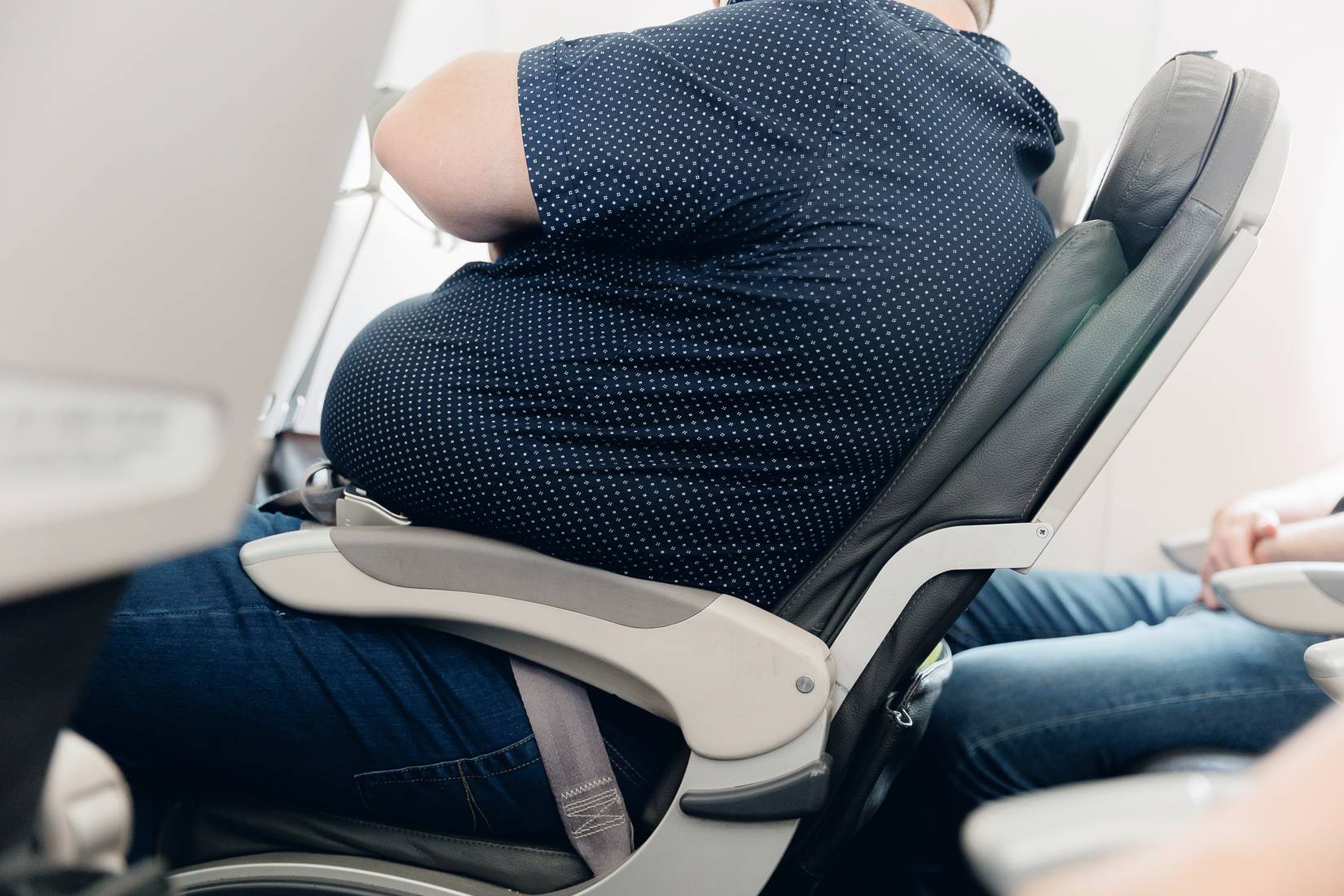
The National Association to Advance Fat Acceptance (NAAFA) praised the reversal, with executive director Tigress Osborn stating, “We commend fat travelers, influencers and activists for calling out recent cruel behavior by Southwest Airlines. Southwest has felt the pressure and responded, by restoring one aspect of their previous policy, allowing personnel to assign an extra seat at the gate if one is available.” The advocacy group had previously criticized the January policy as “more restrictive,” arguing it disproportionately affected plus-sized passengers.
Under the new guidelines, passengers requiring a second seat will be rebooked on a later flight if no adjacent seats are available. Refunds for pre-purchased seats remain possible, provided the flight had at least one open seat and both seats were booked in the same fare class. Southwest’s updated policy also clarifies that “a seat’s armrest marks the dividing line between seats,” giving the airline discretion to determine when a second seat is necessary “for safety purposes.”
Industry Reactions and Traveler Concerns
The policy shift has drawn mixed reactions from travelers and industry analysts. While some praised Southwest for reversing its stricter stance, others questioned whether the changes address broader systemic issues. “This is a step in the right direction, but it’s still a patchwork solution,” said a TikTok user who shared a video celebrating the update, noting, “You will no longer have to pre-purchase the seat as the only option to fly as a customer of size with extra space.” However, critics argue that the airline’s reliance on gate agents to assign seats creates uncertainty for passengers, particularly during peak travel times.
Southwest’s previous policy, implemented in January 2026, had sparked protests and social media campaigns. The airline had long encouraged plus-sized travelers to book two seats in advance, with refunds available after travel. The January rule tightened these conditions, restricting refunds to flights with available seating and requiring passengers to pre-pay for additional seats. “The armrest is considered definitive boundary between seats,” Southwest stated on its website, a line that drew sharp criticism from advocates who argued it reinforced stigmatizing language.
The airline’s decision to backtrack comes amid broader scrutiny of its customer service practices. Southwest, which has historically prided itself on “LUV” (Love, Understanding, and Respect) for passengers, has faced growing pressure to balance profitability with inclusivity. The 2026 policy reversal follows similar adjustments by other airlines, such as Delta and American, which have expanded seating options for plus-sized travelers. However, Southwest’s approach remains unique in its reliance on gate agents to manage seat assignments, a process that some experts say could lead to inconsistent experiences.
What’s Next for Southwest and the Aviation Industry?
Analysts are watching whether Southwest’s policy shift signals a broader trend in the airline industry. “This is part of a larger conversation about how airlines address the needs of diverse travelers,” said a spokesperson for the Air Transport Association, who noted that “more carriers are re-evaluating their policies to align with evolving customer expectations.” However, the lack of standardized guidelines across airlines leaves passengers navigating a fragmented landscape, with some carriers offering more flexibility than others.
For Southwest, the policy reversal could help repair its reputation among plus-sized travelers, a demographic that represents a significant portion of its customer base. The airline’s stock, which has fluctuated in recent months, rose 1.2% following the announcement, according to financial analysts. “This move could resonate with customers who value Southwest’s customer-centric approach,” said a market analyst at JMP Securities, though they added, “The real test will be whether the policy is implemented consistently across all airports.”
Looking ahead, the airline’s next steps will likely depend on feedback from passengers and advocacy groups. NAAFA has called for further reforms, including the elimination of seat size restrictions and the expansion of refundable seat purchases. “While this is a positive development, there’s still work to be done to ensure all travelers feel welcomed and respected,” Osborn said. For now, Southwest’s updated policy offers a temporary reprieve for plus-sized passengers, but the broader debate over inclusivity in air travel remains unresolved.
CBS News and WFAA reported on the policy changes.
