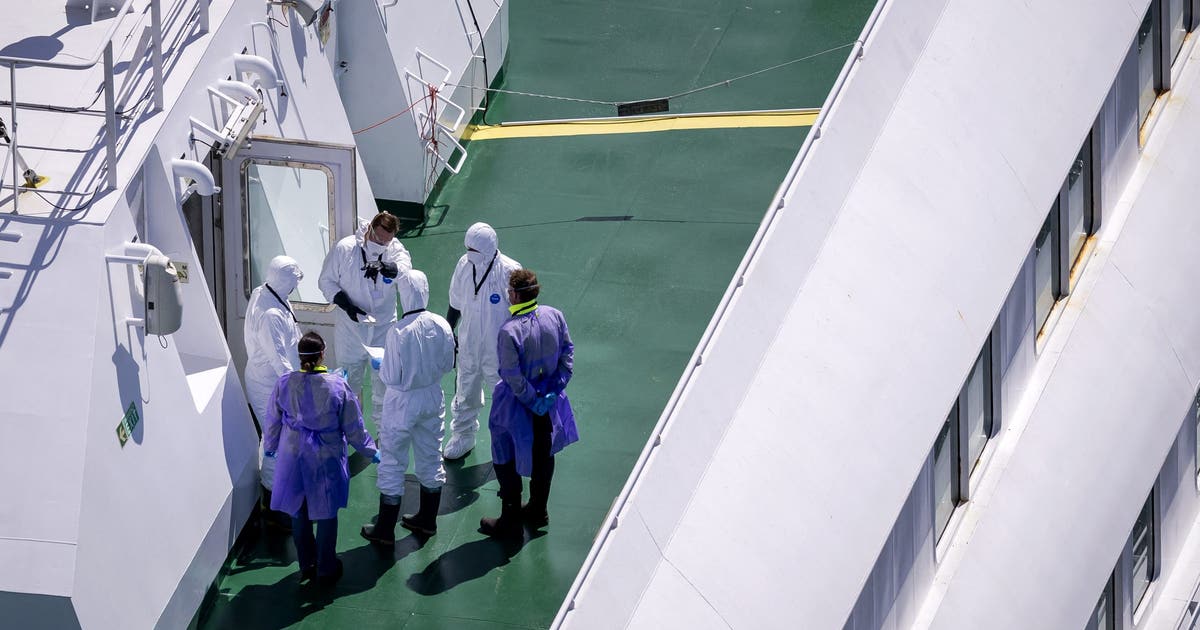
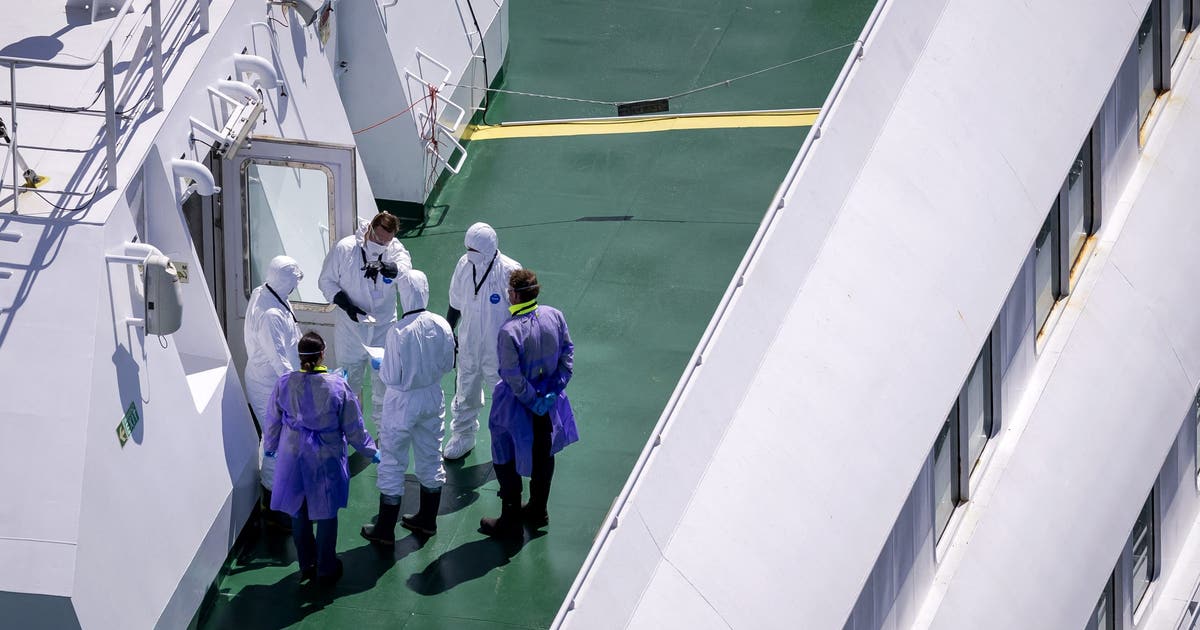
Three New Yorkers who were passengers on the MV Hondius cruise ship remain subject to health protocols following a hantavirus outbreak that has claimed three lives. While most passengers have disembarked, the state health department is actively managing the return and monitoring of these individuals through June 22.
Status of New York Passengers Returning from the MV Hondius
cluster (priority): thefreedictionary.com
The logistical challenge of managing potential exposure to hantavirus has centered on a group of travelers recently disembarked from the MV Hondius in the Canary Islands. According to FOX 5 New York, passengers were escorted ashore by personnel wearing full protective gear before being transitioned to military and government aircraft for their return home.
Among the affected individuals are three residents of New York State. The state’s Health Commissioner, Dr. James McDonald, clarified the ongoing monitoring requirements for this group.
“New York State has been informed that, of those three [New Yorkers], one is remaining in Nebraska to complete their 42-day monitoring period, while the other two are expected to return to New York next week.”Dr. James McDonald, Health Commissioner, via FOX 5 New York
The two individuals returning to New York are scheduled to arrive via non-commercial flights. Upon their return, they will continue their quarantine in private residences outside of New York City. This strict adherence to medical observation will remain in effect until June 22, the date marking the conclusion of their required monitoring window.
The Nature of Hantavirus Pulmonary Syndrome
cluster (priority): dictionary.cambridge.org
Hantavirus is a group of viruses primarily transmitted to humans through contact with the waste products of infected rodents. Infection typically occurs when individuals inhale aerosolized virus particles found in rodent urine, droppings, or saliva, particularly in poorly ventilated or enclosed spaces. While human-to-human transmission is not the standard vector, the severity of the illness it can trigger—Hantavirus Pulmonary Syndrome (HPS)—necessitates the rigorous containment measures currently being employed.
The outbreak associated with the MV Hondius has been linked to 11 confirmed cases. Among the passengers currently held in a federally funded facility in Omaha, Nebraska, health officials report that none are currently symptomatic or testing positive for the virus. The situation remains a fluid public health operation, with individuals like former Orange County resident Jake Rosmarin sharing accounts of the quarantine experience via social media.
Defining Strict Protocol in Public Health
States Monitoring Cruise Passengers After Deadly Hantavirus Outbreak
The term “strict,” which appears frequently in the descriptions of these quarantine procedures, carries a precise meaning in regulatory and medical contexts. As defined by Dictionary.com, the word implies an exacting quality and an inflexible adherence to rules or conditions. This definition aligns with the historical and legal use of the term in various sectors.
For example, the Anti-Terrorism and Effective Death Penalty Act of 1996 utilized strict filing deadlines to maintain procedural integrity within the court system. Similarly, in military and intelligence history, strict procedures were mandated to manage sensitive operations, such as the code clerks operating in Moscow who were required to follow rigid protocols.
In the context of the current cruise ship quarantine, the application of “strict” measures is not merely linguistic but a functional requirement to prevent the spread of HPS. Whether it involves the Bahamas imposing strict rules for foreign nationals or the Cambridge Dictionary definition of the word as “rigorously conforming to principle,” the objective remains the same: ensuring that human health is protected through uncompromising adherence to established containment norms.
Next Steps for Monitoring and Containment
cluster (priority): FOX 5 New York
The next 30 days are critical for the passengers currently under observation. Because HPS is a severe respiratory illness that can be fatal, the 42-day monitoring period serves as a necessary safety buffer. Public health authorities are prioritizing the non-commercial transport of the returning New Yorkers to minimize any potential contact with the broader public.
As the situation evolves, the focus remains on the completion of the quarantine period. Health authorities in Nebraska and New York continue to coordinate to ensure that the transition for the final passenger—who remains in the Midwest—and the two returning to the state occurs without incident. Medical professionals advise that individuals concerned about potential exposure to similar environmental hazards should consult their healthcare provider for guidance on appropriate screening and symptom management.
For now, the passengers are expected to complete their term in isolation, fulfilling the requirements set forth by state and federal health officials to ensure that no further cases emerge from the cruise ship outbreak.
Dr. Nadia Rowe oversees medical, science, and wellness reporting. Holding a public-health doctorate and having contributed to Health Spectrum Review, she bridges scientific rigor with accessible communication. Her mission: make accurate health information available to everyone.