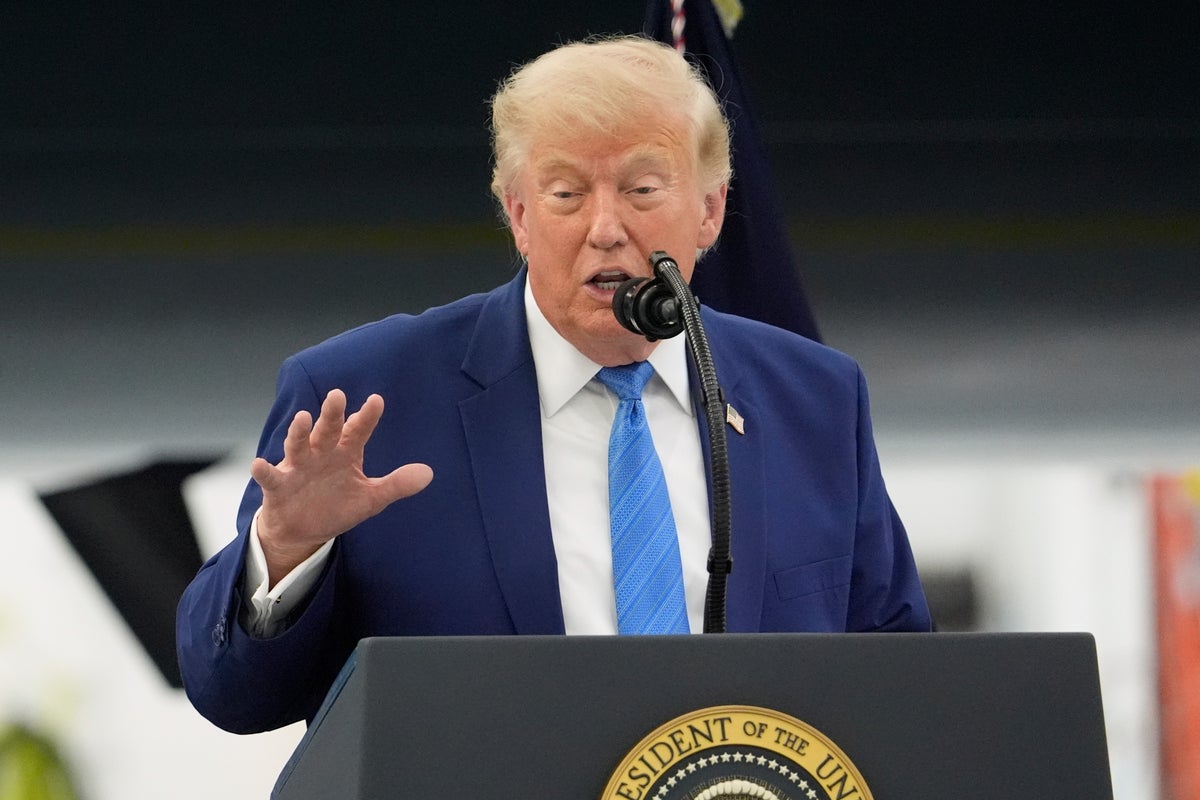
Iranian chief negotiator Mohammad Bagher Ghalibaf declared on June 22, 2026, that his country’s armed forces are prepared to respond to threats from the United States regarding control of the Strait of Hormuz. The statement follows President Donald Trump’s warnings that the U.S. might seize the waterway if ongoing nuclear negotiations fail.
Tensions Over the Strait of Hormuz
The diplomatic standoff has centered on the strategic importance of the Strait of Hormuz, which U.S. Secretary of State Marco Rubio recently identified as an “economic nuclear weapon” for Iran. According to Foreign Affairs, while the current memorandum of understanding (MOU) provides for the safe passage of commercial vessels for 60 days, Tehran has signaled that the status quo will change once that period expires.

Mohammad Bagher Ghalibaf, Iran’s lead negotiator, stated that the waterway would not return to its previous condition and that Iran intends to collect fees for services provided in the area. This push for new maritime regulations comes as Ghalibaf travels to Oman to discuss enhancing bilateral cooperation and consolidating Iranian arrangements for managing the strait, as reported by The Independent.
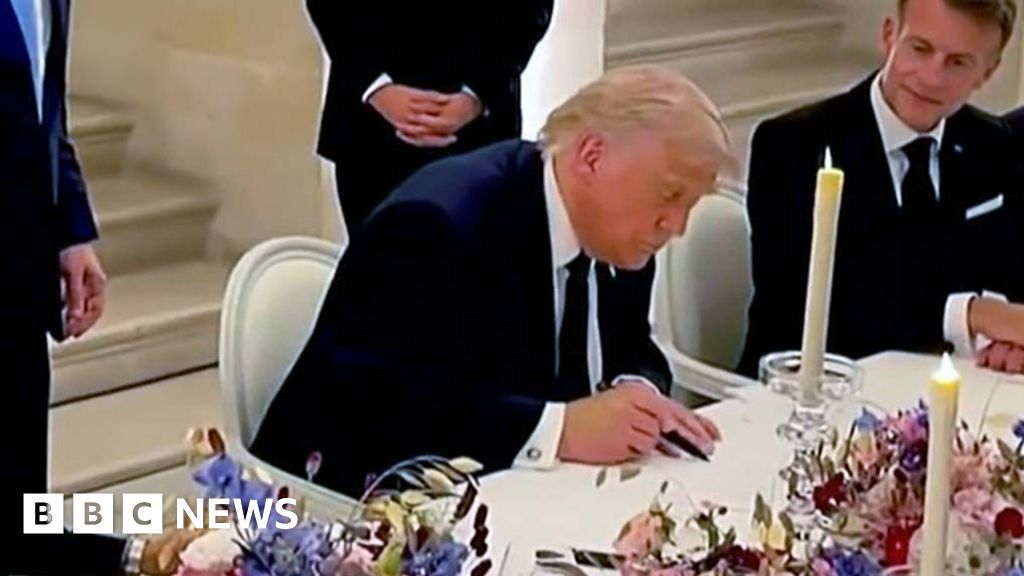
The Strait of Hormuz is widely recognized as the world’s most important oil transit chokepoint. Located between Oman and Iran, it connects the Persian Gulf with the Gulf of Oman and the Arabian Sea. Millions of barrels of oil pass through the strait daily, making it a critical artery for global energy markets. Historically, any disruption to transit through these waters has led to immediate spikes in global oil prices and prompted significant international military maneuvers to ensure freedom of navigation.
Escalating Rhetoric Between Washington and Tehran
President Trump escalated the war of words on Sunday during an interview with Fox News, claiming he had warned Iranian officials that they would not return to their country if they closed the strait. Trump suggested that the U.S. might take over the waterway to collect tolls if a deal is not finalized, according to ABC News.
For more on this story, see Iran halts U.S. talks, threatens full Hormuz blockade amid oil price surge.
“Don’t they think to themselves that if their threats had any effect, they wouldn’t have reached the point of despair today? We don’t count on the threats of the Americans. They better be careful with their statements, our armed forces are ready to respond in another way. Whatever they say, we are the ones who will act,” Ghalibaf remarked in response to the President’s comments.
Status of the 14-Point Memorandum of Understanding
Despite the aggressive posturing, both nations are operating under a 14-point agreement signed last week. As detailed by the BBC, the agreement includes a pledge that Iran will not pursue nuclear weapons and commits a $300bn fund for the country’s reconstruction and economic development, though the U.S. is not required to contribute to this fund.
The deal also resulted in immediate U.S. action regarding sanctions. On Monday, the U.S. Treasury Department issued a general license allowing the production, delivery, and sale of Iranian-origin crude oil and petrochemical products through August 21. This move fulfills a core requirement of the MOU, which mandates that Washington issue waivers for Iranian oil exports and associated banking services. Such waivers are a standard mechanism in international sanctions regimes, typically used to provide temporary relief to facilitate diplomatic breakthroughs or humanitarian aid, though they remain subject to strict oversight by the Treasury’s Office of Foreign Assets Control (OFAC).
This follows our earlier report, Trump Threatens Iran with Military Action.
Regional Implications and Ongoing Conflict
While the U.S. and Iran negotiate, the broader regional conflict remains volatile. In southern Lebanon, Israeli Prime Minister Benjamin Netanyahu reaffirmed that the Israel Defense Forces (IDF) would maintain a presence in the security zone. “Our fighters in southern Lebanon have full freedom of action to thwart any direct or emerging threat against them or against the residents of the north,” Netanyahu stated.
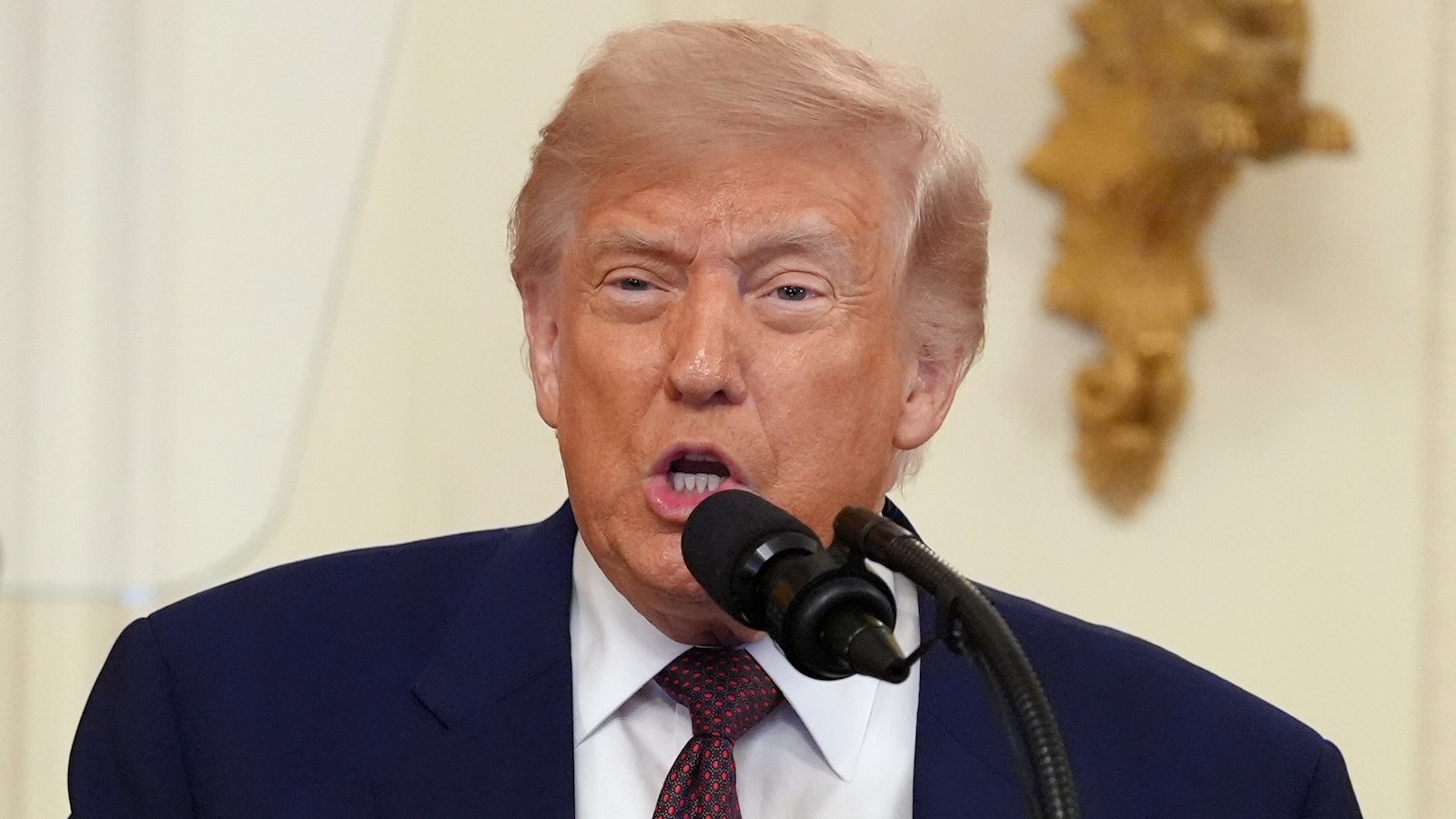
The situation in Lebanon is a major component of the regional security architecture. The IDF’s insistence on maintaining a security zone reflects long-standing strategic objectives to prevent cross-border incursions. Meanwhile, the Trump administration is working to manage the concerns of its Gulf allies. Secretary of State Marco Rubio is scheduled to visit the United Arab Emirates, Kuwait, and Bahrain to discuss the preliminary accord. During these meetings, Rubio will consult with the Gulf Cooperation Council (GCC), an organization that has expressed support for ending the war but remains uneasy about the specific terms outlined in the recent U.S.-Iran memorandum.
Read also: Iran’s missile strikes on Israel trigger global market volatility.
The GCC, which serves as a political and economic alliance of countries in the Persian Gulf, has historically been wary of Iranian influence and maritime ambitions. Their participation in these discussions is vital, as any change in the management of the Strait of Hormuz directly affects their primary export routes. The U.S. maintains significant military bases across several GCC member states, and balancing the security requirements of these partners with the diplomatic needs of the U.S.-Iran negotiation process has become a primary focus of the State Department’s regional strategy.
The next 60 days will prove critical. While the MOU provides a framework for de-escalation, the unresolved status of the Strait of Hormuz and the differing interpretations of Iran’s enrichment rights—which President Masoud Pezeshkian has insisted the country will not relinquish—suggest that the path to a permanent peace remains narrow. The international community, including the United Nations and various European diplomatic channels, continues to monitor the situation, as the failure of these negotiations could lead to a rapid reversal of the current, fragile stability.
Find more reporting in our News section.
