President Trump’s January 2025 executive order challenging the 14th Amendment’s birthright citizenship clause is currently before the Supreme Court, as the justices face a backlog of 20 major rulings before their summer recess. The legal battle highlights a 170-year-old constitutional debate over the status of children born in the United States to undocumented parents.
The Supreme Court’s end-of-term backlog
As of June 17, 2026, the Supreme Court has 20 cases remaining on its docket with less than two weeks before the traditional end-of-June recess. While this pace has prompted public speculation about whether the court is falling behind, historical data suggests the current schedule aligns with previous terms. According to SCOTUSblog, the court has frequently issued final decisions as late as July 1, as occurred in 2024.
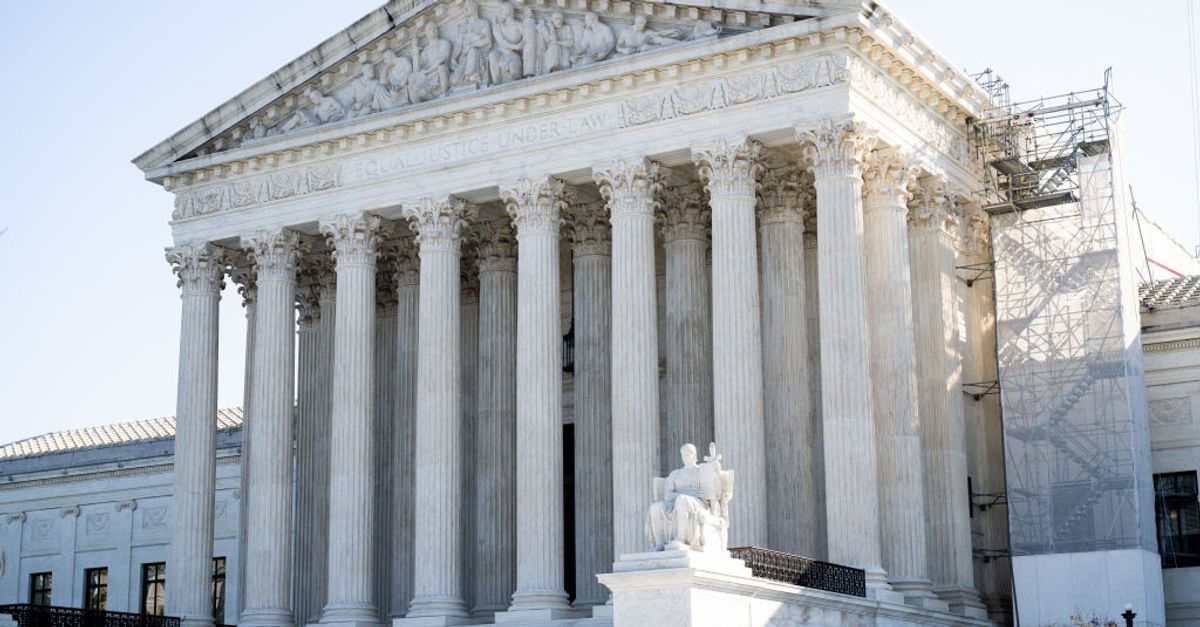
The current court is navigating a series of high-profile challenges, including cases involving administrative law and individual rights. Last year, the justices issued final opinions on June 27, 2025, after a period of intense activity in late June. This year, the court’s workload includes evaluating the constitutionality of executive actions, adding pressure to an already dense calendar. In the American judicial system, the “end-of-term” rush is a well-documented phenomenon where the Supreme Court historically releases its most controversial and complex opinions in the final days of June. This process reflects the culmination of months of deliberation, drafting, and internal circulation of opinions among the nine justices.
Trump’s executive order and the 14th Amendment
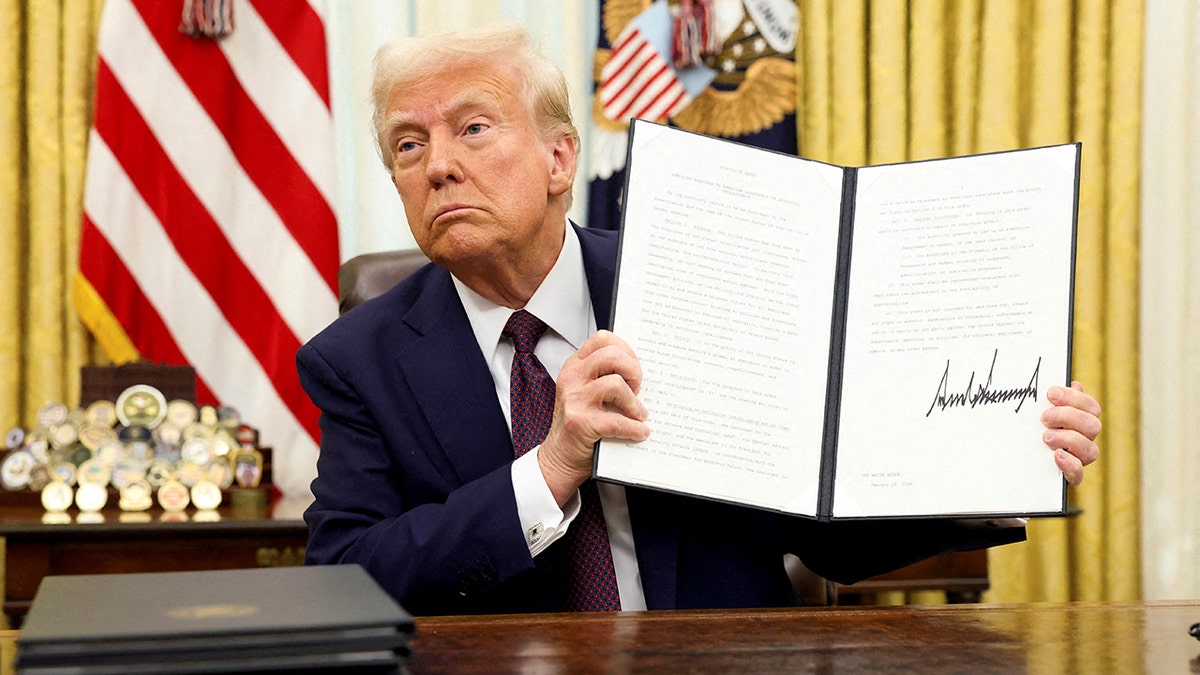
A central point of contention is a January 2025 executive order issued by President Trump. The order asserts that “the Fourteenth Amendment has never been interpreted to extend citizenship universally to everyone born within the United States,” as reported by CBS News. If upheld, the policy would deny citizenship to approximately a quarter of a million children born annually to parents who are in the country illegally or temporarily.

The order was initially blocked by a lower court and is now awaiting a final determination from the Supreme Court. The legal debate centers on the 14th Amendment’s citizenship clause, which states: “All persons born or naturalized in the United States, and subject to the jurisdiction thereof, are citizens of the United States and of the State wherein they reside.” The specific phrase “subject to the jurisdiction thereof” has become the primary battleground, with the administration arguing that those present without legal authorization do not fall under the full jurisdiction of the United States in the manner intended by the framers of the amendment.
Historical context of birthright citizenship
Constitutional scholars point to the 1898 case of Wong Kim Ark as a foundational precedent for birthright citizenship. Born in San Francisco to Chinese parents, Wong was denied re-entry to the U.S. in 1895. The Supreme Court eventually ruled in his favor, reinforcing the principle that citizenship is granted at birth regardless of parentage, with limited exceptions for diplomats and invading armies.
“For me, Wong Kim Ark represents the common man. He wasn’t rich. He wasn’t famous. He didn’t have any extraordinary abilities. What he did [have] was the willingness to stand up and assert his right as an American.”
Legal experts note that the 14th Amendment was a direct response to the 1857 Dred Scott v. Sandford decision, which ruled that Black people could not be citizens. The Reconstruction Congress intended the amendment to guarantee citizenship to four million formerly enslaved people and their descendants. By embedding citizenship into the Constitution, the 14th Amendment sought to ensure that rights were not subject to the shifting whims of legislative majorities or executive decrees. This historical origin is frequently cited by civil rights organizations, such as the American Civil Liberties Union, who argue that the amendment was specifically designed to prevent the government from creating different classes of people based on their birth status.
Public opinion and legal ambiguity
Despite the historical precedents, the issue remains deeply polarized among the American public. Data from the Pew Research Center indicates that the country is evenly split on whether children of undocumented immigrants should be granted birthright citizenship, with 50 percent in favor and 49 percent opposed.
Political scientist Rogers Smith highlighted that the brevity of the constitutional text leaves room for ongoing debate. “The reality is that the clause is very terse, and there are a number of issues that it did not address directly,” Smith said. As the Supreme Court prepares to issue its final rulings before the summer break, the resolution of the executive order challenge will determine whether the court chooses to reinforce or reinterpret this long-standing constitutional principle. The outcome will have immediate implications for federal agencies, including the State Department and the Social Security Administration, which rely on birth certificates as primary proof of citizenship for passport applications and social security benefits.
Find more reporting in our News section.
