A Legacy Forged in the Bulls Dynasty

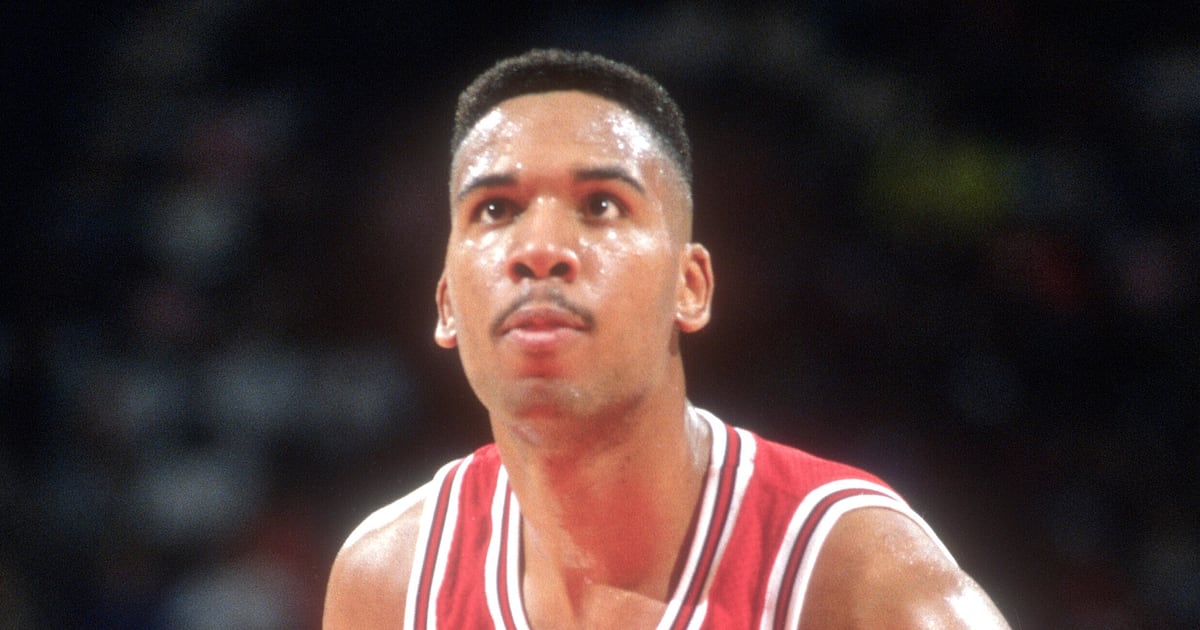
King’s career was defined by his role in the Chicago Bulls’ rise to prominence during the 1990s. Selected by the team with the No. 6 pick in the 1989 draft, he was a key contributor during the franchise’s first three championship seasons from 1991 to 1993, according to the Chicago Tribune. A 6-11 forward out of Oklahoma, King played eight seasons in the NBA, including stints with the Minnesota Timberwolves, Miami Heat, Boston Celtics, and Dallas Mavericks, as reported by the Chicago Sun-Times.
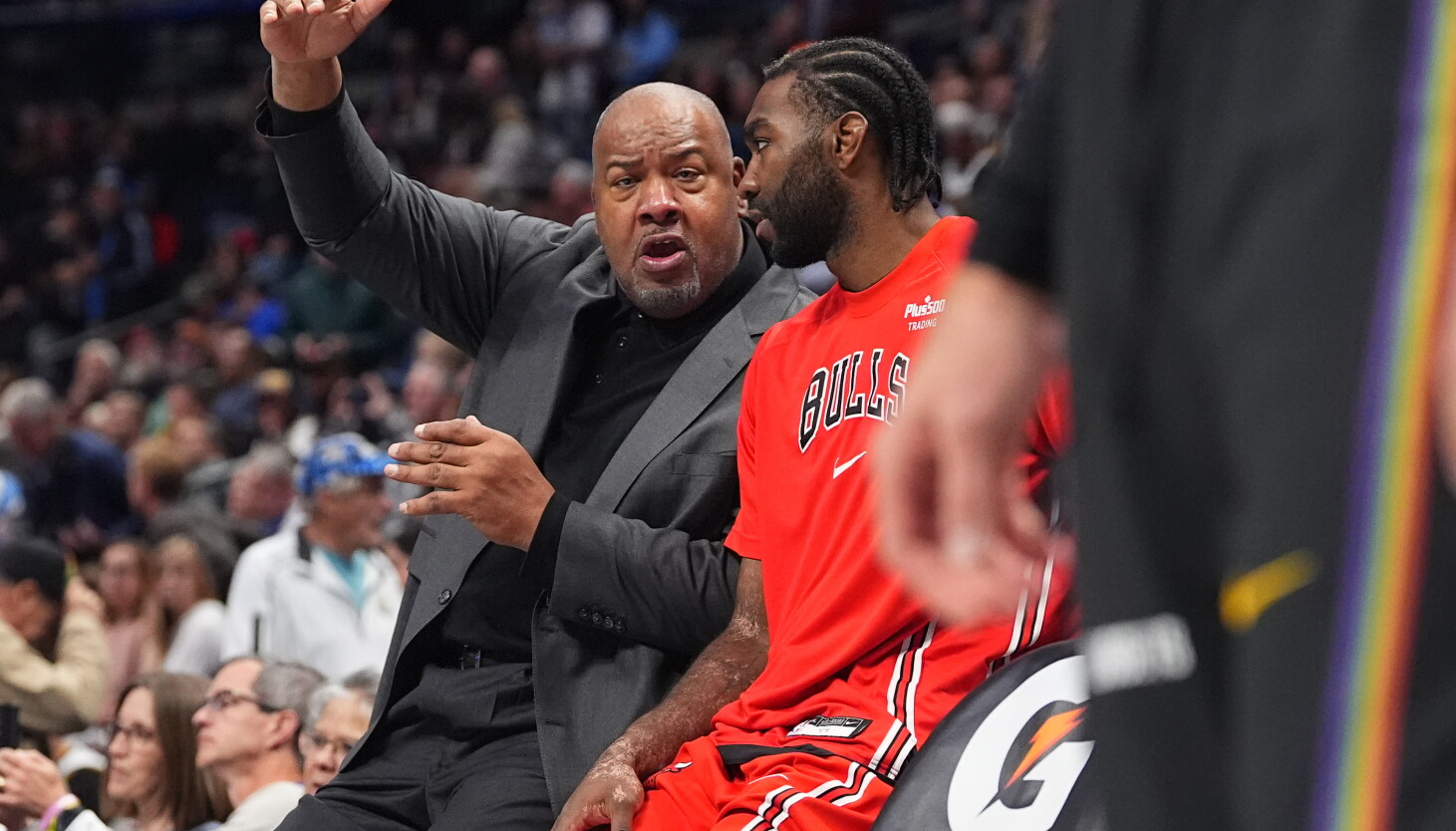
Beyond his playing days, King found a second act that cemented his status as a permanent fixture in Chicago sports culture. After a brief coaching stint with the Rockford Lightning in the Continental Basketball Association, he joined the Bulls’ broadcast team in 2006. By 2007, he had transitioned into a full-time role, providing color commentary that bridged the gap between the team’s historic past and its modern era.
The Voice of a Generation of Fans
For two decades, King served as the energetic, unmistakable voice of Bulls basketball across local affiliates, including CSN Chicago, NBC Sports Chicago, and most recently, the Chicago Sports Network. His broadcast style was marked by an infectious enthusiasm and a collection of catchphrases that became part of the local lexicon.
“Stacey had a unique ability to connect generations of Bulls fans,” said Michael McCarthy, president and CEO of the Chicago Sports Network, as reported by the Chicago Tribune. “Whether through his basketball insight, his humor, or his unforgettable calls, he made every game more enjoyable and every broadcast better.”
Reflections from the Bulls Organization
The announcement of King’s death drew immediate, heartfelt tributes from the Bulls’ leadership. Jerry Reinsdorf, the team’s chairman, remembered King as a “cherished member of the Bulls family” whose connection to the organization spanned more than three decades, according to the Chicago Sun-Times.
Michael Reinsdorf, the team’s president and COO, emphasized the personal nature of King’s impact, noting that he made fans feel seen and valued during every interaction. In a statement provided to the Chicago Tribune, Reinsdorf shared:
“Stacey loved being a Bull. You could feel it in everything he did — the way he played, the way he called games and the way he connected with our fans. He had a unique gift for bringing people together and making every game feel personal. He brought an energy and love for the game that came through in every broadcast, helping fans feel connected to our team.”Michael Reinsdorf, Chicago Bulls President and COO
An Unforgettable Presence in the Booth

King’s broadcasting career was defined by his signature personality, which often provided a sense of levity during difficult seasons for the team. His iconic calls, such as “Gimme the hot sauce” and “Let me step back and kiss myself,” became synonymous with the Bulls’ brand.
As noted by The Daily Beast, King’s authenticity was a major factor in his popularity. King himself reflected on his approach to the job just last month during an episode of his “Gimme the Hot Sauce” podcast:
“We enjoy what we do. It’s a fun job. It never seems like work for me. Every night, I go to work, win, lose or draw, I’m having fun.”Stacey King, via Chicago Tribune
The Cook County Medical Examiner’s Office is slated to perform an autopsy to determine the cause of death. King is survived by his sons, Erick, Garrett, Brandon, and Mason. As the organization and fans mourn, King’s legacy remains tied to his dual identity as a championship-winning player and a broadcaster who viewed his work not as a job, but as a genuine connection to the people of Chicago.
