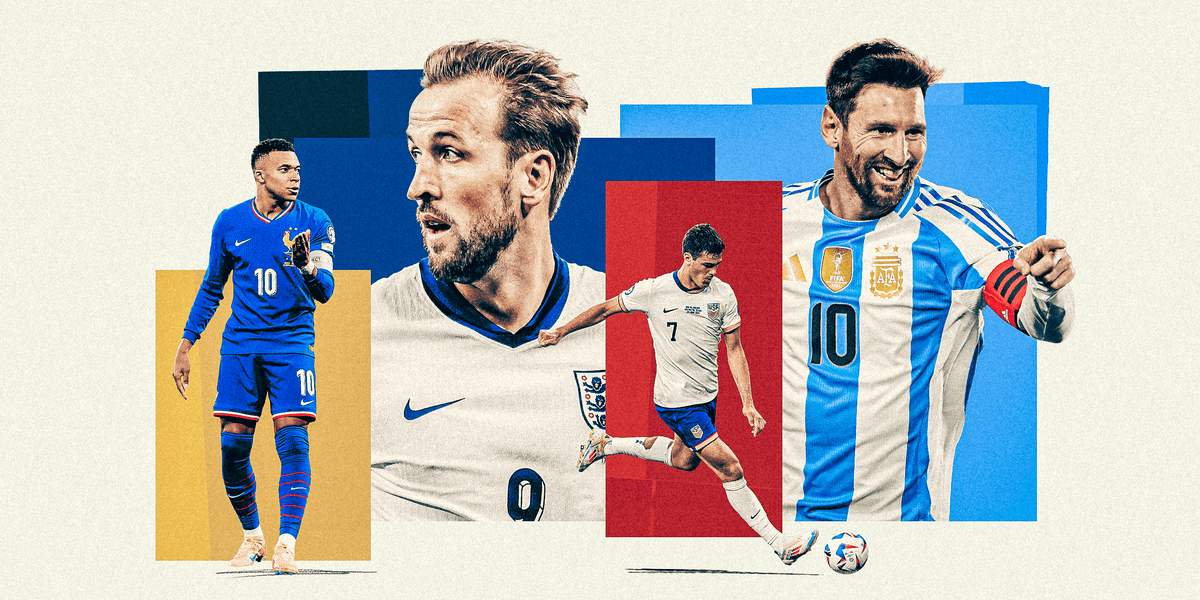
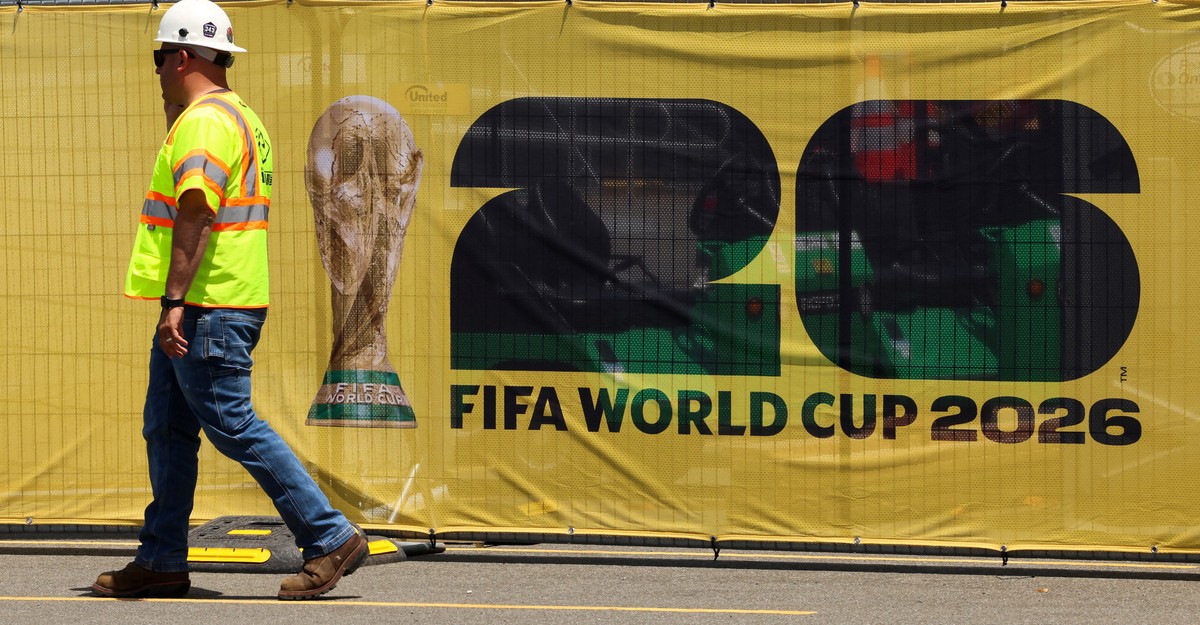
The 2026 FIFA World Cup, set to be the largest in history with 48 teams, is underway across the U.S., Canada, and Mexico, yet the event faces a mix of anticipation and skepticism. While nations like Spain and Mexico prepare their squads, concerns over ticket prices, travel restrictions, and geopolitical tensions loom large. The tournament, which will feature 104 matches over 39 days, has sparked debates about its legacy and the challenges of hosting a global spectacle in a divided world.
The 2026 World Cup: A Tournament of Contradictions
The 2026 World Cup has been framed as “the greatest event that humanity, that mankind, has ever seen and will ever see” by FIFA President Gianni Infantino, yet the reality on the ground is far more complex. The U.S., Canada, and Mexico have spent years preparing to host, but the event has been overshadowed by logistical hurdles, political tensions, and public apathy. “The biggest, most inclusive and greatest” tournament of all time, as Infantino declared, now faces scrutiny over its accessibility and impact. Ticket prices, which have soared to astronomical levels, have drawn criticism from fans and organizers alike. In the U.S., hotels in host cities like San Francisco and New York remain half-booked, while the New York City area has shifted focus to the Knicks, not the World Cup Final. The San Francisco Chronicle reported that 66% of Americans are unlikely to watch the event, citing a lack of interest and rising costs.
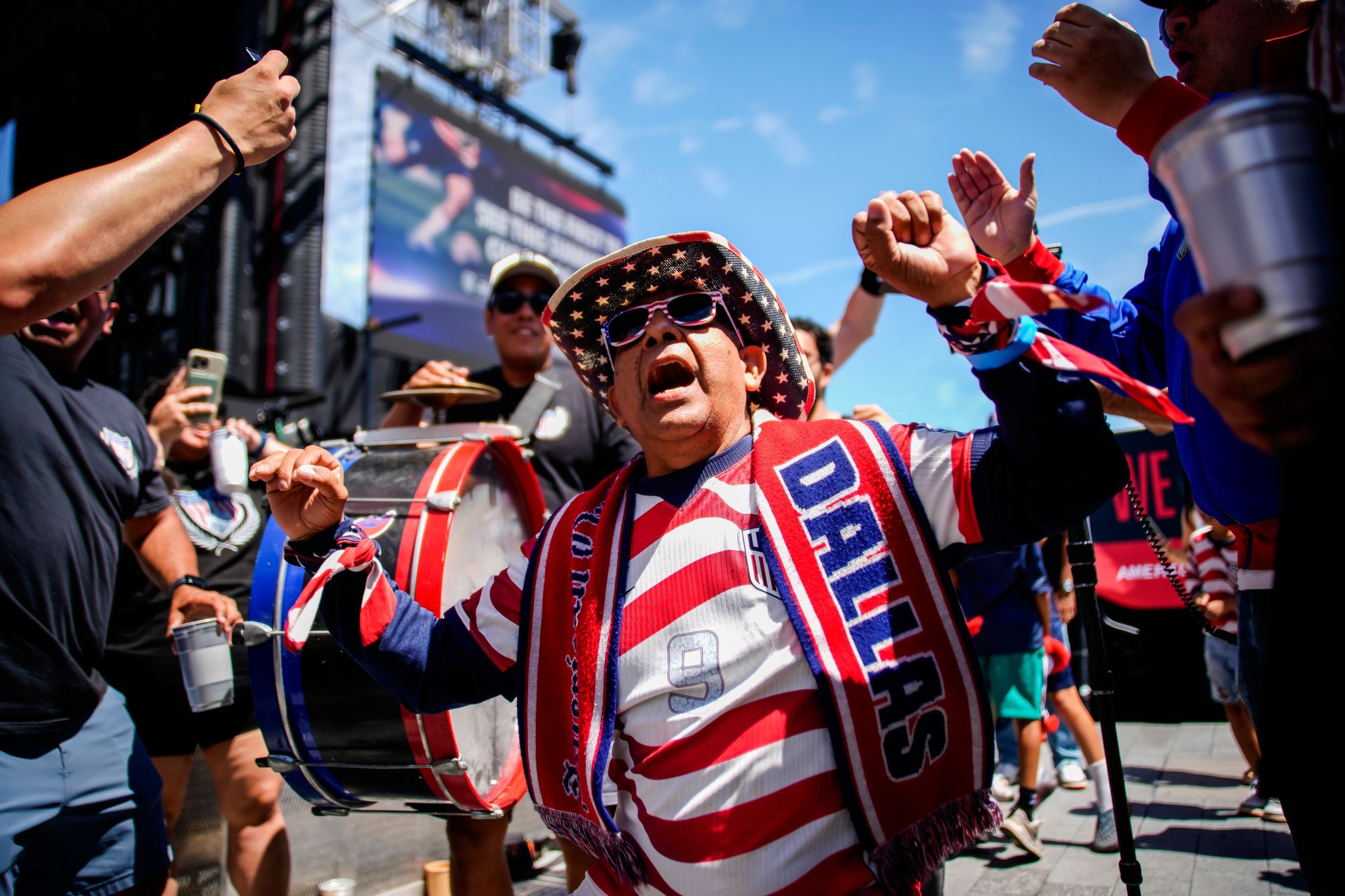
Meanwhile, the U.S. has become a focal point of controversy. Travel bans, fears of ICE raids, and concerns over the Ebola outbreak in the Democratic Republic of the Congo have dampened international participation. The tournament also coincides with heightened geopolitical tensions, including the Iran war and strained relations between the U.S. and its co-hosts. These issues have led some to question whether the U.S. is the right host. “This time around we have two co-hosts in Canada and Mexico, the latter a soccer-mad country that has hosted two World Cups in the past,” The San Francisco Chronicle noted, highlighting the contrast between the U.S. and its more soccer-friendly neighbors.
For more on this story, see U.S. vs. Germany: Pochettino’s final warmup test before 2026 World Cup opener.
Mexico’s Quest for Redemption: A Coach, a Legacy, and a Home Crowd
Mexico, one of the three co-hosts, enters the tournament with a mix of hope and uncertainty. The team, which qualified automatically as a host nation, has a storied World Cup history but has struggled in recent years. In 2022, they were eliminated in the group stage for the first time since 1978, a shock that left fans reeling. Now, under coach Javier Aguirre, the team aims to reclaim its status as a consistent contender. Aguirre, a former Mexico international who has coached the team in two previous World Cups, has shifted the squad’s tactics toward quick, transitional play, a style more reflective of Mexican football’s identity. The New York Times Athletic highlighted Aguirre’s emphasis on “frenetic style rather than dominant possession,” a contrast to the more defensive approach of his predecessor, Gerardo Martino.
This follows our earlier report, NYC Mayor Zohran Mamdani Announces 2026 FIFA World Cup Transportation Plan.
The team’s success will depend on its star players, including 34-year-old Raul Jimenez, who is set for his fourth World Cup. Jimenez, a veteran striker, has been a key figure for Mexico, but his role has shifted over the years. Younger talents like 17-year-old midfield prodigy Gilberto Mora are also expected to play a pivotal role. “The expectation is that pride and a home crowd will elevate them when the World Cup begins,” The New York Times Athletic wrote, suggesting that Mexico’s familiarity with hosting could be a double-edged sword. The team’s last World Cup in 1986, held entirely in Mexico, ended in a penalty shootout loss to West Germany, a moment that still haunts fans.
Spain’s Ambitions: A Squad Built for Success
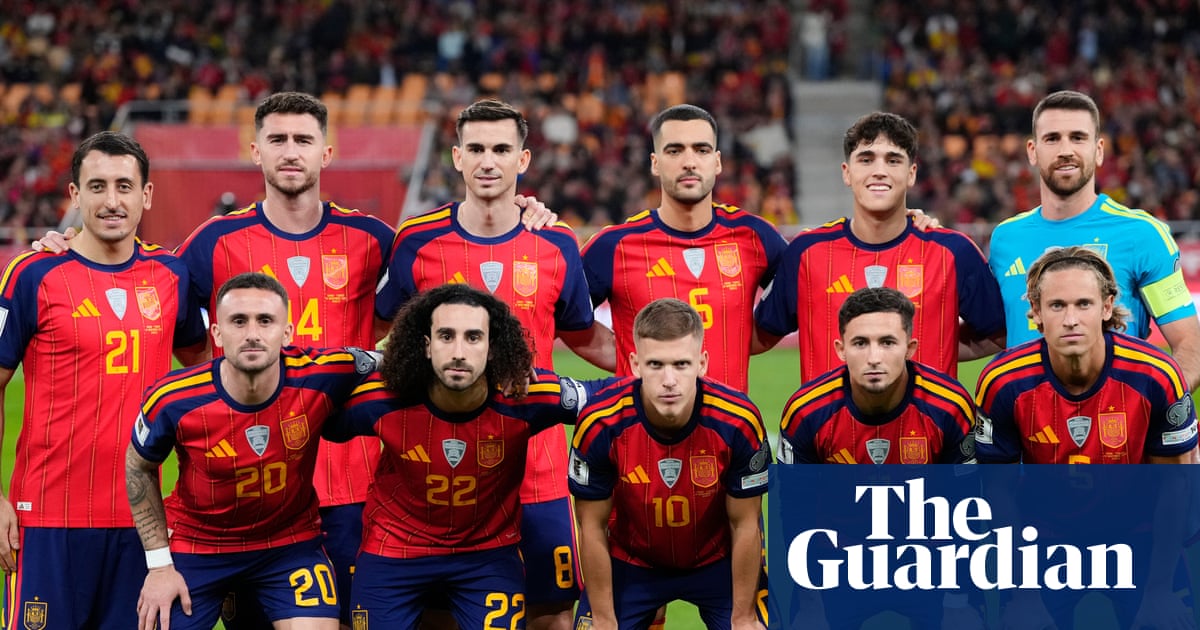
If Mexico’s World Cup hopes rest on legacy and home advantage, Spain’s aspirations are rooted in a blend of youth, experience, and tactical innovation. The European champions, led by coach Luis de la Fuente, enter the tournament as strong favorites. De la Fuente, who guided Spain to its third European title in 2024, has assembled a squad that balances technical mastery with physicality. The team’s midfield, featuring stars like Pedri, Gavi, and Rodri, is designed to control possession and create chances, while the attack includes creative wingers like Lamine Yamal and Nico Williams. <a href="https://www.theguardian.com/football/20
