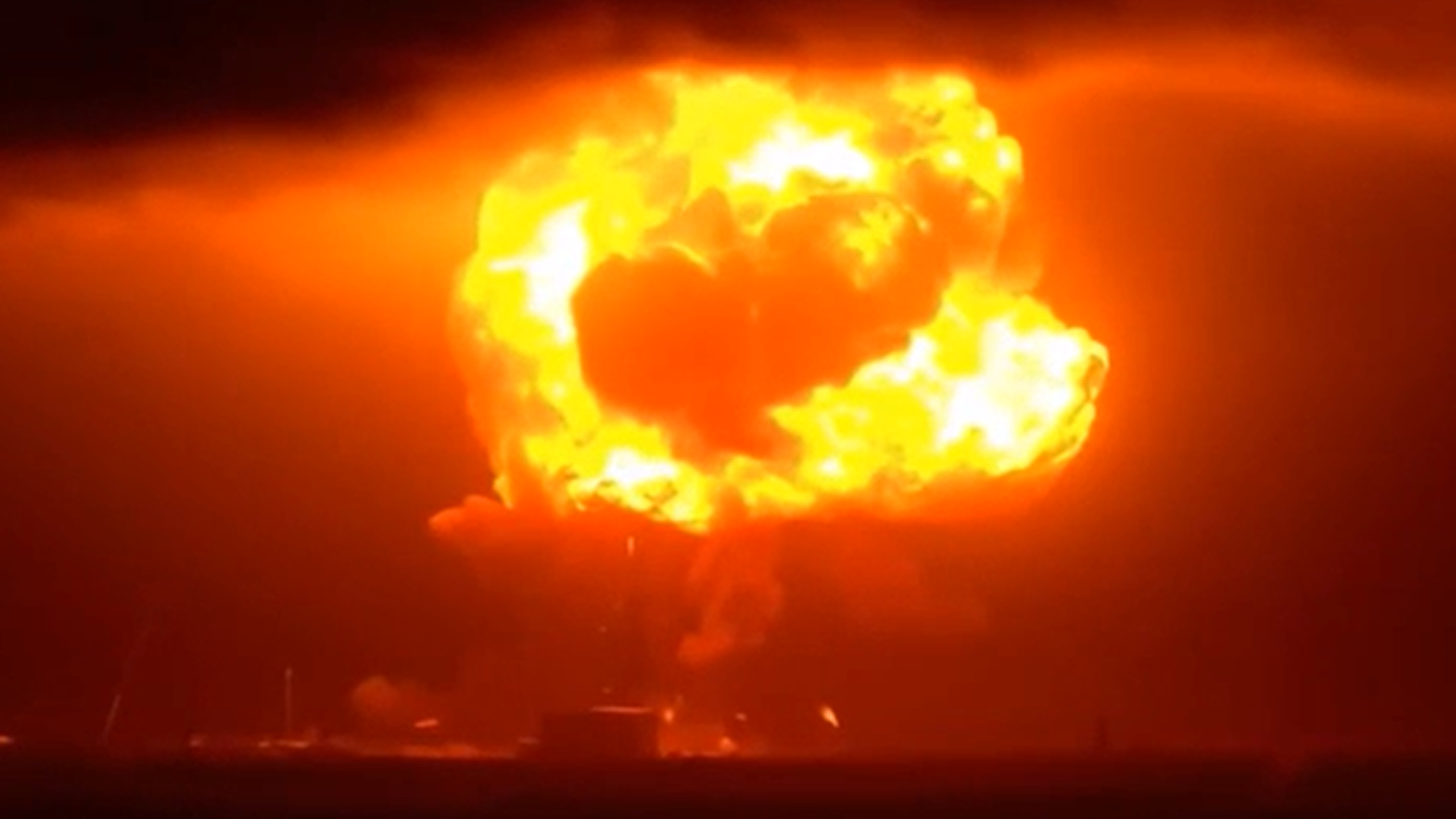
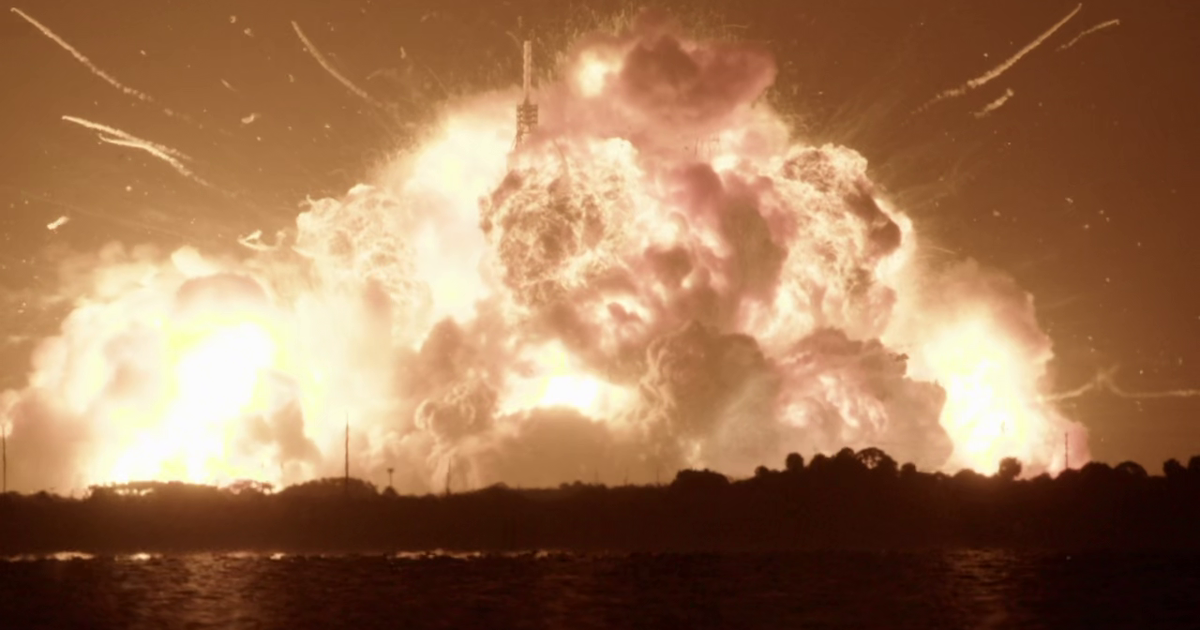
A Blue Origin New Glenn rocket exploded during a static fire test at Cape Canaveral Space Force Station on May 28, 2026, causing significant damage to Launch Complex 36. The incident, which occurred at 9 p.m. EDT, resulted in no injuries or fatalities, though the vehicle was destroyed, creating a major setback for NASA’s lunar ambitions.
The Mechanics of the Launchpad Failure
cluster (priority): CBS News
The destruction unfolded during a routine procedure designed to validate the rocket’s readiness. Blue Origin was conducting a hotfire test of the New Glenn’s seven methane-fueled BE-4 first-stage engines at the company’s only Florida launch site. According to CBS News, the 188-foot-tall first stage became enveloped in flames as the engines ignited, leading to the collapse of the structure and a subsequent explosion that consumed the 86-foot-tall upper stage.
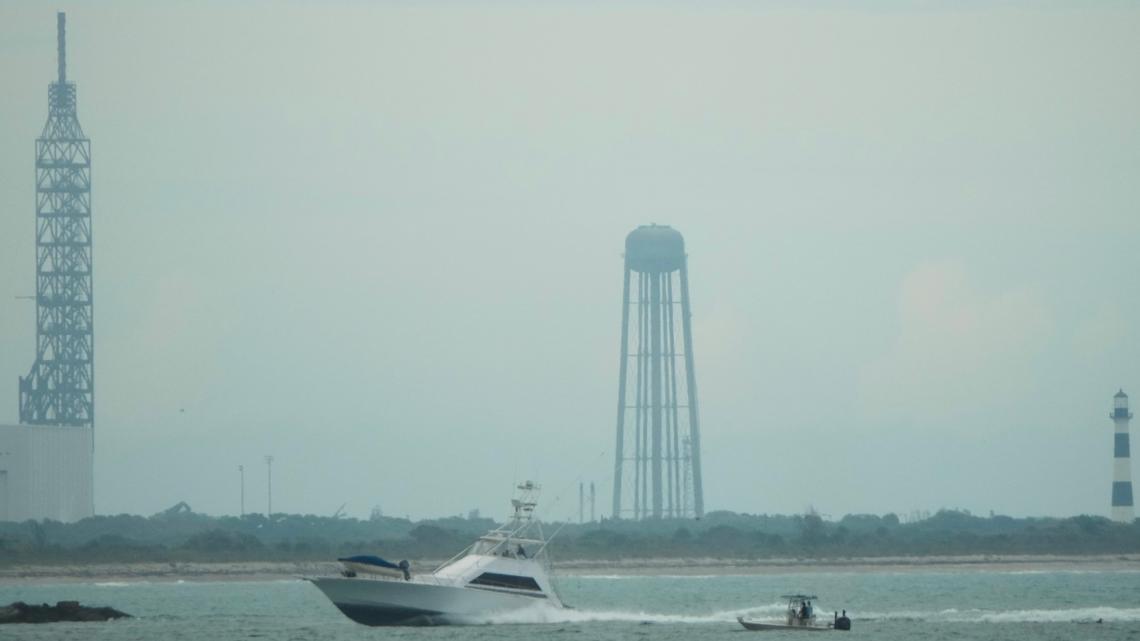
The impact on the infrastructure at Launch Complex 36 is severe. Aerial imagery captured in the aftermath shows the launchpad’s erector-gantry—the massive structure used to move the rocket from its hangar and transition it to a vertical position—has been obliterated. Of the original facility layout, reports from 10TV indicate that only one tower and a water tank remain standing.
The facility has a storied history in American rocketry, dating back to the early 1960s, and served as the departure point for NASA’s Ranger and Surveyor lunar probes. Blue Origin had invested more than $1 billion to rebuild the complex after leasing it from the Air Force in 2015.
Immediate Response and Safety Protocols
cluster (priority): 10TV
Emergency officials and local law enforcement moved quickly to secure the site. The U.S. Space Force Eastern Range, which oversees launch operations in Florida, confirmed that all personnel were accounted for with no injuries or fatalities reported. The agency stated that it is currently evaluating telemetry and video data to pinpoint the root cause of the anomaly.
Blue Origin founder Jeff Bezos addressed the failure on social media, acknowledging the gravity of the situation while affirming the company’s intent to continue the program.
“All personnel are accounted for and safe. It’s too early to know the root cause but we’re already working to find it. Very rough day, but we’ll rebuild whatever needs rebuilding and get back to flying. It’s worth it.”Jeff Bezos, founder of Blue Origin
Public safety warnings remain in effect, as debris from the explosion may wash ashore in nearby coastal areas. The Brevard County Sheriff’s Office has advised the public to avoid contact with any wreckage and to report sightings by calling 911. Congressman Mike Haridopolos, who represents Brevard County, confirmed he had been in contact with NASA leadership regarding the incident, as reported by WESH.
Broader Implications for the Artemis Program
Massive Explosion: Blue Origin’s New Glenn Rocket Destroyed in Test at Cape Canaveral
The New Glenn rocket is a critical component of NASA’s broader lunar strategy, specifically for the Artemis program’s goal of establishing a base near the moon’s south pole. With a target date for moonwalkers set as early as 2028, the loss of a flight-ready vehicle and the damage to the primary launch infrastructure introduce a significant delay.
Space industry observers are already signaling the scale of the challenge ahead. As senior Ars Technica space editor Eric Berger noted, the event represents a “terrible setback for NASA and its lunar ambitions.” The timing is particularly difficult for Blue Origin, as the company had only recently emerged from a period of grounding following an engine issue on an upper-stage flight that resulted in a satellite being placed in an incorrect orbit.
The competitive landscape of the Space Coast remains active despite the explosion. Both SpaceX and United Launch Alliance successfully conducted launches from nearby pads on Friday, demonstrating the resilience of the local launch infrastructure. SpaceX CEO Elon Musk, whose company maintains two launch pads in Florida, offered a brief public message of support, stating, “Sorry to see this, I hope you recover quickly.”
Historical Context and Recovery Outlook
cluster (priority): WESH
Industry analysts are drawing parallels to the 2016 SpaceX Falcon 9 explosion, which also occurred during a pre-launch test at Cape Canaveral. In that instance, the failure was linked to a high-pressure helium tank rupture. The recovery process for that incident took months, with the launchpad remaining out of commission for more than a year.
As Blue Origin pivots toward recovery, the company faces a dual challenge: restoring the physical launchpad infrastructure and addressing the underlying technical failure that led to the explosion. While the company has previously demonstrated its ability to manage suborbital flights with its New Shepard vehicle, the scale and complexity of New Glenn—a 321-foot rocket—present an entirely different set of operational risks.
The Eastern Range remains fully mission-capable for other providers, but for Blue Origin, the next 30 days will likely be consumed by data recovery and regulatory review. The path forward requires a successful investigation into the BE-4 engine performance, a rebuild of the pad’s support systems, and a return to the flight manifest for the Amazon Leo satellite constellation.
According to Florida Today, the visual evidence of the site’s damage serves as a stark reminder of the volatility inherent in heavy-lift launch operations. For now, the focus shifts from the launch schedule to the investigative findings that will determine how quickly the company can return to the pad.