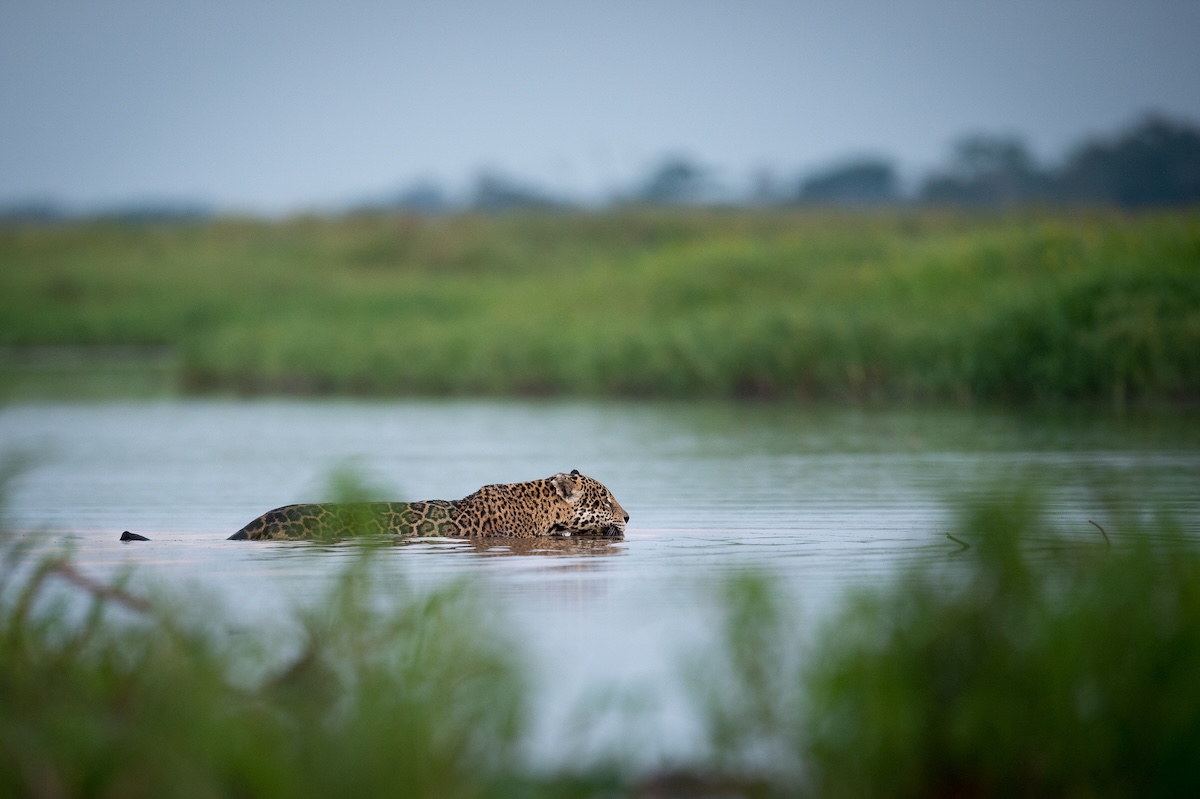
Jaguar Tourism Boom in Brazil’s Pantanal Faces Sustainability Concerns
PORTO JOFRE, Brazil – The Brazilian Pantanal, the world’s largest tropical wetland and a haven for jaguar conservation, is grappling with the unintended consequences of its own success. A surge in ecotourism, initially hailed as a solution to protect the endangered jaguar population, is now raising concerns about overcrowding, stressed wildlife, and potential long-term damage to the ecosystem. Once hunted to near extinction, jaguars are thriving in the Pantanal thanks to conservation efforts and the economic incentive created by tourism, but experts warn that the current trajectory is unsustainable.
For decades, jaguars were targeted by ranchers protecting their cattle, leading to a dramatic decline in their numbers. However, the emergence of ecotourism approximately ten years ago presented a viable alternative, transforming jaguars from pests into valuable assets. This shift sparked a remarkable rebound in the jaguar population and fostered greater local awareness about the need for conservation. According to Smithsonian Magazine, the region now boasts the highest jaguar density on Earth, drawing visitors from across the globe.
The Crowding Problem
The popularity of jaguar tourism has led to increasingly crowded conditions, particularly in hotspots like Porto Jofre. During peak season, more than 30 boats, each carrying camera-equipped tourists, can converge around a single jaguar, disrupting their natural behavior. Environmental anthropologist Rafael Chiaravalloti, from University College London, has studied the Pantanal for over 15 years and warns that this overcrowding is “definitely becoming an issue.” He notes reports of jaguars halting hunts or foregoing mating due to the constant presence of boats, highlighting the potential for significant ecological impact, as reported by Mongabay.

The Jaguar ID Project, which operates in Porto Jofre, has documented a staggering increase in jaguars habituated to humans. The number has risen from 29 in 2013 to 130 in 2023 – an increase of over 400%. While this indicates increased tolerance and easier sightings for tourists, it also presents new challenges. Similar trends have been observed at the Caiman Lodge, where sightings have increased from around three jaguars a year in 2009 to over 1,000 annually.
Habituation and Human-Jaguar Conflict
As jaguars become more accustomed to human presence, they are venturing closer to ranches and settlements, increasing the risk of conflict. In a rare and tragic incident in April 2025, a jaguar killed a 60-year-old man near a riverbank, reigniting fears among locals and potentially jeopardizing the progress made in jaguar conservation. This event underscores the delicate balance between tourism, conservation, and human safety. According to Mongabay, this type of event, while uncommon, could lead to a resurgence of retaliatory killings.
The Economic Imperative and Conservation Efforts
Despite the challenges, ecotourism remains a crucial economic driver for the Pantanal region. The transformation from hunting jaguars to showcasing them has provided livelihoods for local communities and incentivized conservation. Mario Haberfeld, founder of Onçafari, an ecotourism agency based at the Caiman Lodge, credits the success to adopting safari models from Africa, gradually habituating jaguars to vehicles and increasing sighting rates to nearly 100%. However, experts, including Fernando Tortato, Brazil conservation program coordinator for Panthera, caution that the Pantanal “risks becoming a victim of its own success.”
Ongoing conservation initiatives, such as the Jaguar Identification Project, are vital for monitoring jaguar populations and understanding their behavior. The project uses unique spot patterns to identify individual jaguars, gathering valuable data from tourists, guides, and researchers. Furthermore, Brazil has recently strengthened environmental protection by creating new conservation areas, demonstrating a commitment to preserving its biodiversity, as reported by REVISTA CENARIUM.
Looking Ahead
The future of jaguar tourism in the Pantanal hinges on finding a sustainable balance between economic benefits and ecological preservation. Managing tourist numbers, implementing stricter regulations for boat traffic, and investing in community-based conservation programs are essential steps. Without proactive measures, the very success that has brought jaguars back from the brink could ultimately threaten their long-term survival.
