Storm Erminio Brings Death and Saharan Dust to Greece
A man has died near Athens, and the Greek island of Crete is blanketed in a thick layer of Saharan dust as Storm Erminio sweeps across the country, causing widespread disruption. The storm, bringing gale-force winds and torrential rain, has led to flooding, school closures, and significant travel delays, according to reports from the BBC and other news outlets.
The deceased, a man in his 50s, was found under a car in Nea Makri, east of Athens, early Thursday morning. Fire department officials stated he was likely swept away by floodwaters after leaving his basement apartment, the Irish Mirror reported. Emergency services responded to over 674 calls for assistance between Wednesday and Thursday morning, primarily dealing with fallen trees and flooding in the Attica region, which encompasses Athens.
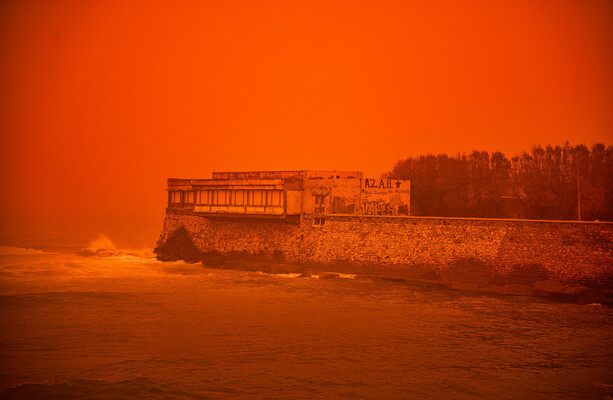
Saharan Dust Creates Surreal Conditions on Crete
While the mainland grapples with the storm’s immediate impacts, Crete is experiencing a dramatically different, yet equally disruptive, phenomenon – a massive influx of Saharan dust. The dust cloud has turned the skies a striking red-orange, reducing visibility and prompting flight diversions and cancellations. At least three flights bound for Heraklion airport were rerouted on Wednesday, with one British Airways flight diverted to Corfu, Newsy Today detailed. Visibility at the airport dropped to as low as 1,000 meters, making safe landings impossible.
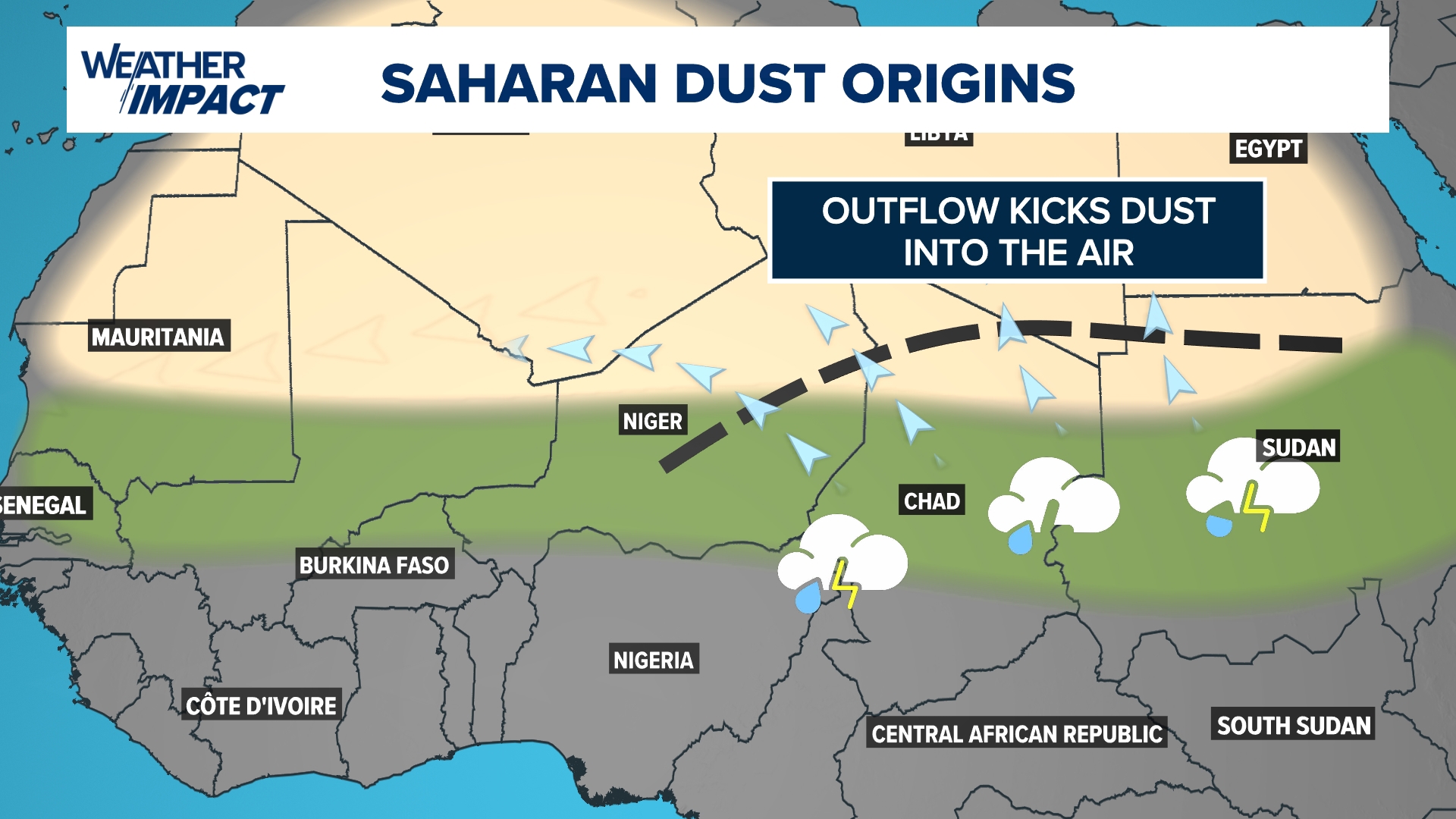
Images circulating online and in news reports, including those featured by The Guardian, show the island cloaked in a reddish haze. The dust, originating from the Sahara Desert, travelled thousands of miles across the Mediterranean Sea, impacting air quality and creating an otherworldly landscape.
Widespread Disruptions and Warnings
The Greek national meteorological service (EMY) has issued red warnings for several regions, including Crete, the Peloponnese, Central Greece, and Attica. These warnings indicate a high risk of severe weather, including prolonged and intense rainfall, thunderstorms, and localized hailstorms. Orange warnings are also in effect for the Cyclades and eastern Aegean islands. Temperatures are expected to drop significantly, reaching as low as 5°C in mountainous areas.
Ferries have been moored in ports, with potential resumption of services dependent on weather conditions. Schools have been closed in affected areas as a precautionary measure. The unusual combination of flooding, strong winds, and the Saharan dust storm has created a complex emergency situation for Greek authorities.
Saharan Dust: A Recurring Phenomenon with Increasing Frequency
Saharan dust storms are not uncommon in the Mediterranean region, particularly during the spring months. However, experts suggest that climate change may be contributing to an increase in the frequency and intensity of these events. Warmer temperatures and altered wind patterns can facilitate the transport of dust from the Sahara Desert further north, impacting air quality and visibility across Europe. As Greece Heaven notes, this event highlights the interconnectedness of global weather systems.
The dust itself, while visually striking, can pose health risks, particularly for individuals with respiratory problems. Authorities are advising residents to take precautions, such as wearing masks and limiting outdoor activities. The dust can also have a fertilizing effect on ecosystems, depositing minerals into the soil, but this benefit is often outweighed by the negative impacts on air quality and human health.
Looking Ahead: Continued Monitoring and Preparedness
Greek authorities are continuing to monitor the situation closely, coordinating emergency response efforts and providing updates to the public. The focus remains on ensuring public safety and mitigating the impacts of both the storm and the Saharan dust cloud. The events of the past 24 hours serve as a stark reminder of the vulnerability of coastal communities to extreme weather events and the importance of preparedness and effective disaster management strategies. The long-term implications of increased frequency of these events, linked to climate change, will require ongoing assessment and adaptation.
Further updates will be provided as the situation evolves. For the latest official advisories and safety information, residents are encouraged to consult the websites of the Greek national meteorological service (EMY) and local authorities.
