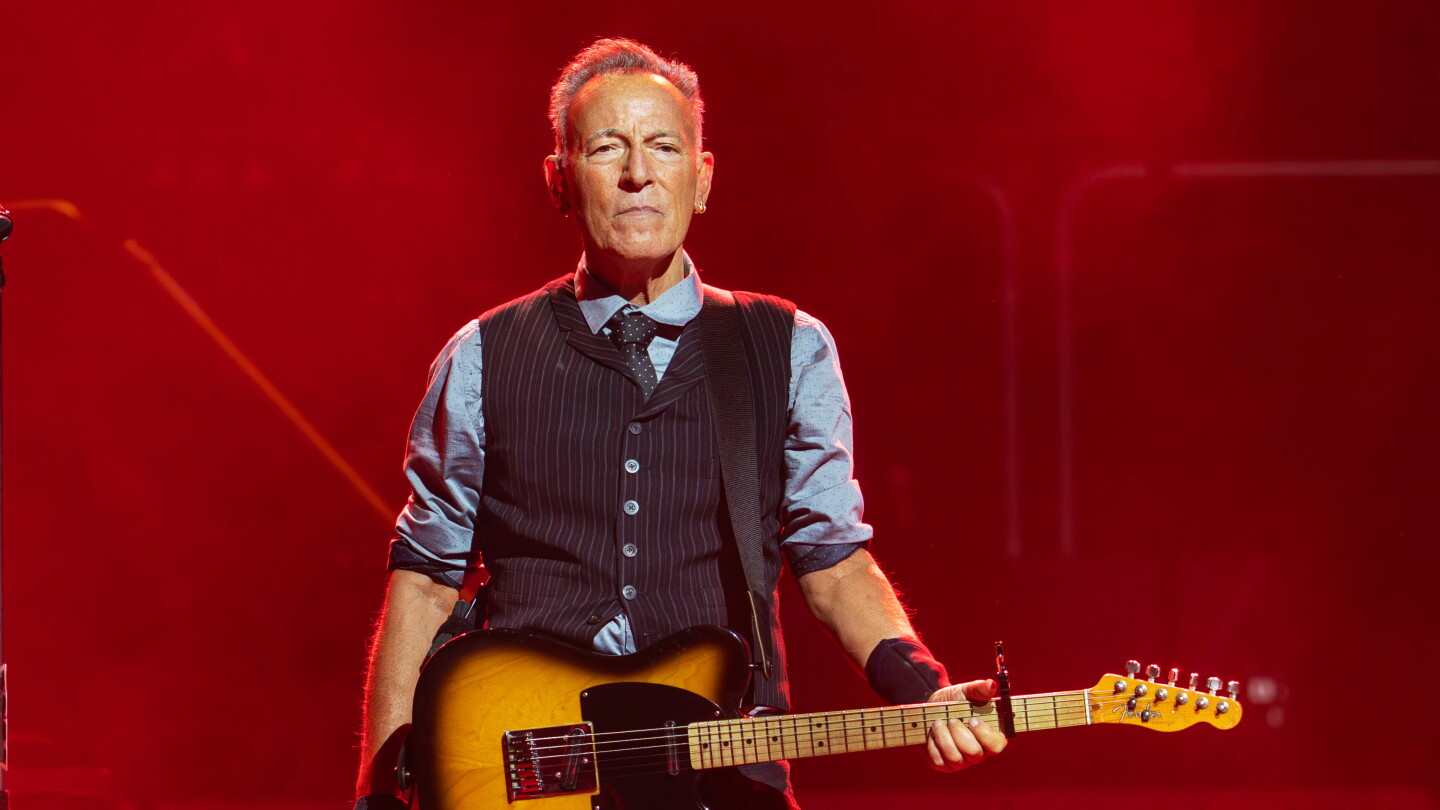
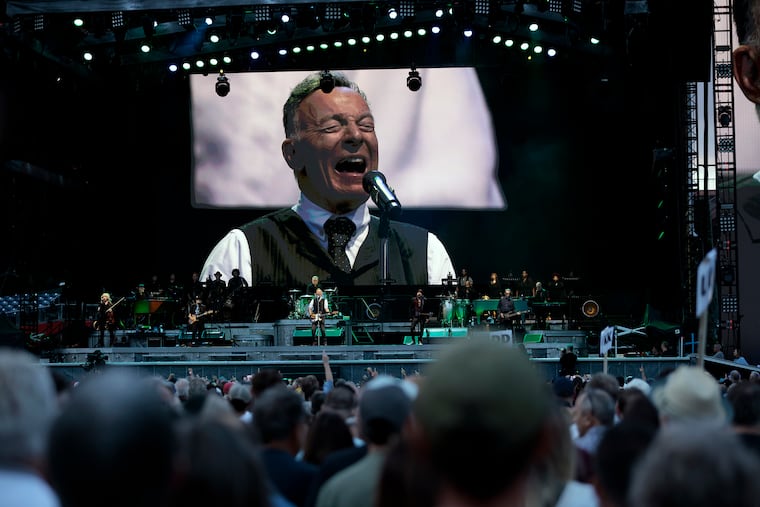
Bruce Springsteen and the E Street Band are set to conclude their “Land of Hope and Dreams” tour this Saturday in Philadelphia, following a politically charged performance at Washington, D.C.’s Nationals Park. The tour has become a flashpoint for debate, as Springsteen utilizes his setlist to advocate for democratic ideals and immigration reform.
A Shift in Tone for the Philadelphia Finale
cluster (priority): News of the United States – NOTUS
The upcoming Philadelphia show at Xfinity Mobile Arena on May 30 marks a significant departure from Springsteen’s previous appearances in the city. When the E Street Band played Citizens Bank Park in 2024, the performances were defined by a sense of mortality and reflection, centered on the song “Last Man Standing,” which was written following the death of George Theiss, a bandmate from Springsteen’s teenage years.
At 76, Springsteen’s current outlook has transitioned from the elegiac to the urgent. According to reporting from Inquirer.com, the artist has adopted a “man-on-a-mission” quality reminiscent of his work following the 2001 terrorist attacks on the World Trade Center. While his commercial peak occurred in the 1980s, and his last Top 10 hit arrived with “Streets of Philadelphia” in 1994, his influence remains a subject of intense cultural focus.
The Philadelphia date was originally scheduled for earlier in the spring but was delayed by three weeks due to the Philadelphia 76ers’ unexpected playoff success against the Boston Celtics. Now, the show serves as the final stop for a tour that has increasingly focused on the state of American democracy.
The Politics of the “No Kings Tour”
cluster (priority): Yahoo
In Washington, D.C., the atmosphere surrounding the tour reached a fever pitch. As detailed by News of the United States – NOTUS, the tour—unofficially dubbed the “No Kings Tour”—has created a divide among fans, particularly those within Republican circles. While Springsteen has long been a political figure, his current setlist is described as his most focused salvo in decades.
The tension is palpable in the nation’s capital. Republican operatives and staffers have expressed reluctance to discuss the show openly, citing concerns over loyalty in a political climate where the administration demands strict adherence to its agenda. Doug Heye, a GOP consultant and noted Springsteen fan, summarized the dilemma facing party members who wish to attend:
“We’re watching Donald Trump on a revenge tour, and as incredible as it sounds, it is not out of the realm of possibility that somebody could be spotted at this concert and be told they don’t need to show up for work on Monday.”Doug Heye, GOP consultant
The friction between the artist and the former president has escalated recently. According to NOTUS, Donald Trump publicly disparaged the musician last month, labeling him a “dried up prune” and mocking him for what Trump termed an “incurable case of Trump Derangement Syndrome.”
Stagemanship and the “ICE Out Now” Chants
Rare Bruce Springsteen Interview: Music, Touring, and US Politics | Much Rewind
The concerts have become a venue for direct engagement with current policy debates. During the performance of “Streets of Minneapolis,” a folk ballad written regarding the actions of ICE and the subsequent resistance in Minnesota, Springsteen has been encouraging crowd participation that targets the current administration.
As reported by Yahoo, the live performance of the song evolves into a participatory protest. Springsteen invites the audience to chant “ICE out now!” and has been known to instruct the crowd to “Let ‘em hear you in the fuckin’ White House.”
While some observers view this as calculated stagemanship, the impact on the audience has been noted for its intensity. In Washington, the crowd spontaneously continued the chant after the song concluded, an act that was not explicitly directed by the stage. The performance style leans heavily on the philosophy of the late Congressman John Lewis, with Springsteen frequently calling on his audience to engage in what Lewis famously termed “good trouble.”
The E Street Band’s Expanded Mission
cluster (priority): Inquirer.com
The musical force behind these rallies is the largest version of the E Street Band to date, now numbering 18 members with the addition of guitarist Tom Morello. The setlist is bookended by protest anthems, notably opening with Edwin Starr’s “War” and concluding with “Chimes of Freedom.”
Springsteen’s opening remarks at the Washington show set a definitive tone for the remainder of the tour, framing the concert as an act of resistance:
“The mighty E Street Band is here tonight to call upon the righteous power of art, of music, of rock ‘n’ roll in dangerous times. Tonight, we ask all of you to join with us in choosing hope over fear, democracy over authoritarianism, the rule of law over lawlessness, ethics over unbridled corruption, resistance over complacency, unity over division, and peace over —”Bruce Springsteen, Musician
As the tour heads to Philadelphia for its final performance, the stakes for both the artist and his politically divided fan base remain high. For those who see the “Land of Hope and Dreams” tour as a necessary intervention, the concert is a chance to participate in a collective expression of values. For the Republican fans who have followed Springsteen for decades, the upcoming weekend represents a final, difficult decision on how to balance their admiration for the music against the increasingly confrontational political stance of the man who makes it.
Jasmine Brooks curates coverage of film, music, and digital culture. She began her career as an arts columnist for The Evening Tribune and has since interviewed creatives across Hollywood, Seoul, and London. Her focus blends culture, diversity, and storytelling excellence.