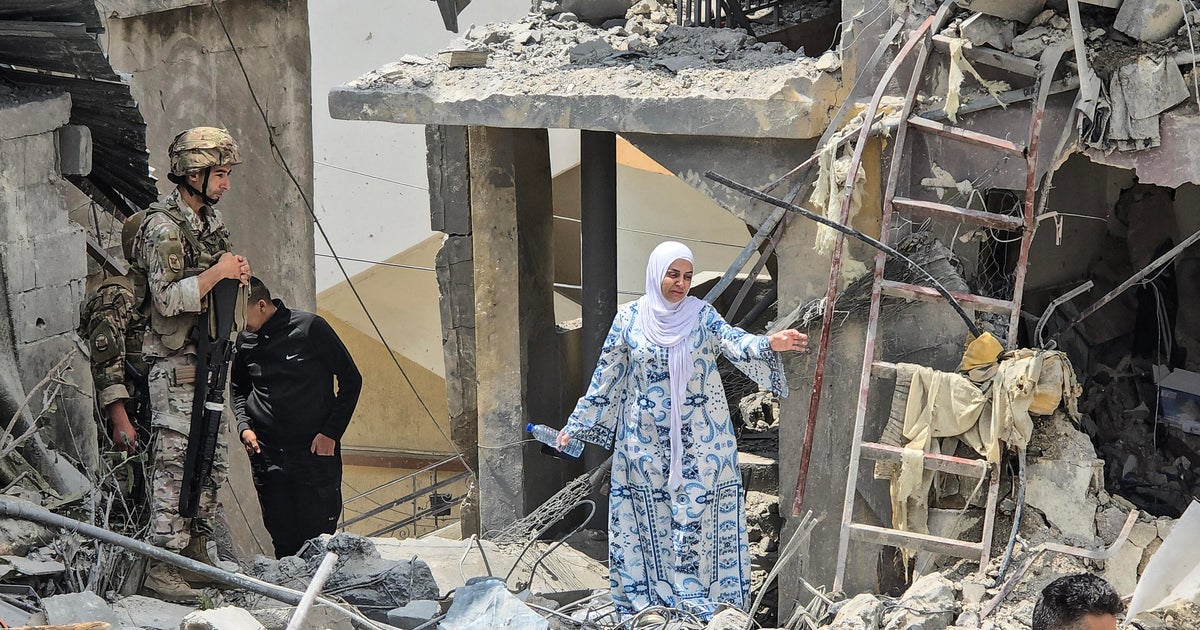
As Iran and the United States appear to edge closer to a potential ceasefire agreement, Israel has intensified its military operations in Lebanon, with Israeli forces conducting airstrikes in the city of Tyre and ordering evacuations of 200,000 residents. Meanwhile, the White House has dismissed a reported draft deal between Iran and the U.S. as a fabrication, while U.S. President Donald Trump expressed cautious optimism about the negotiations. CBS News and Haaretz provide the most detailed accounts of the rapidly evolving developments.
Iran and the U.S. Near a Draft Agreement, But White House Denies It
Iran’s state-run IRIB news network reported Wednesday that it had obtained a draft of the “Islamabad Framework,” a memorandum of understanding (MOU) between Iran and the U.S. that would extend a ceasefire, reopen the Strait of Hormuz to commercial shipping, and initiate direct negotiations on unresolved issues. The document, described as a “14-point draft,” reportedly includes pledges from the U.S. to lift its blockade of Iranian ports and vessels, with Iran agreeing to restore shipping flows through the Persian Gulf and Sea of Oman within a month. However, the White House swiftly rejected the claims, calling the report a “complete fabrication” and warning against crediting Iranian state media. CBS News reported that White House Press Secretary Karine Jean-Pierre stated, “There is no such document, and we urge caution in reporting on unverified claims from Iranian state media.” The U.S. government has not commented directly on the existence of the draft, but officials have indicated skepticism about Iran’s willingness to comply with any agreement.

The draft also allegedly envisions U.S. forces withdrawing from the Middle East, though specifics on whether this applies to long-standing deployments or only recently added troops remain unclear. A final agreement, if reached, would be submitted as a binding UN Security Council resolution. However, the document is still “unfinalized,” with significant hurdles remaining over contentious issues like Iran’s nuclear program and sanctions relief. Esmail Baqaei, a senior Iranian official, emphasized that the Strait of Hormuz would remain under Iranian and Omani coordination, with military vessels excluded from the proposed commercial traffic rules. CBS News quoted Baqaei as saying, “We will not allow any foreign military presence
