ASX 200 falls as AI fears trigger technology stock slump
The Australian sharemarket faced a significant slump driven by a 5.1% drop in technology stocks and global anxieties over AI's impact on software margins.
- Headline Dispatch: ASX 200 falls as AI fears trigger technology stock slump
- Core Takeaway: The Australian sharemarket faced a significant slump driven by a 5.1% drop in technology stocks and global anxieties over AI's impact on software margins.
- Source Synthesis: Continuous live monitoring aggregated across major news wires and independent bureaus.
ASX 200 falls as AI fears trigger technology stock slump
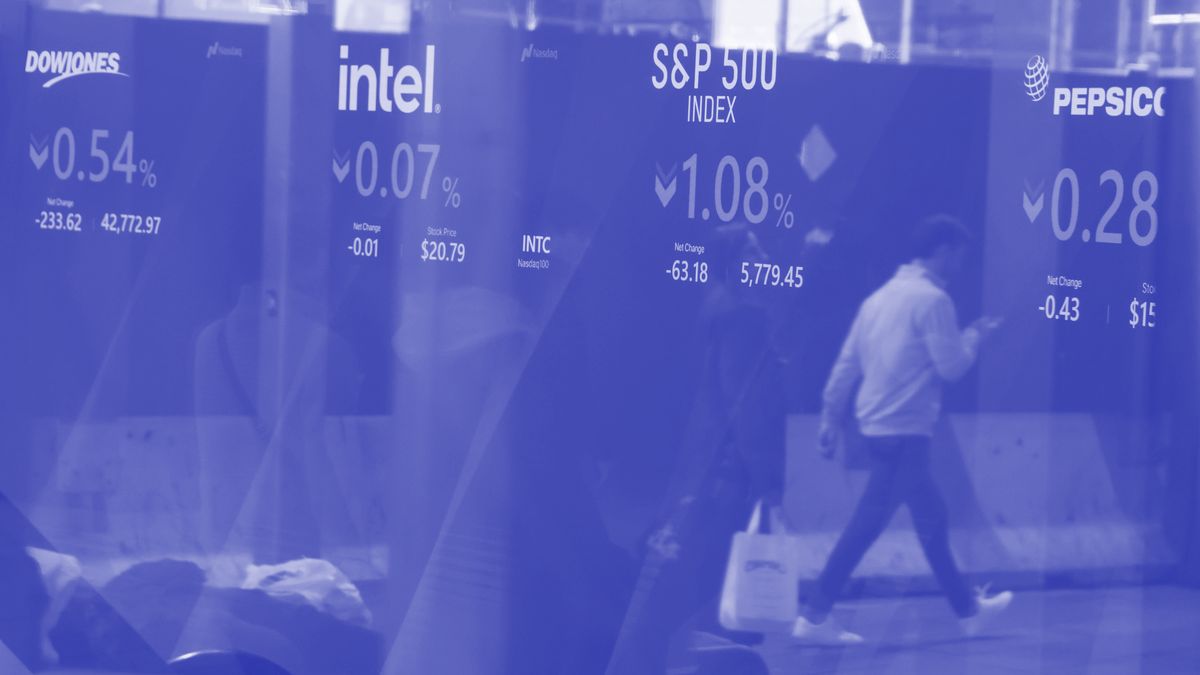
The Australian sharemarket has been battered by a wave of selling in the technology sector, driven by global anxieties over the impact of artificial intelligence on software business models. The S&P/ASX 200 closed at 8917.6 on Friday, marking a drop of 125.9 points, or 1.39 per cent. Only two sectors finished the session in positive territory.
The slump follows a period of extreme volatility for software firms. Local technology stocks fell 5.1 per cent on Friday, echoing losses on Wall Street where investors questioned if traditional subscription-based software models can maintain margins against AI-native competitors that may lower costs and reduce switching barriers. This sentiment follows a Wednesday session where the Information Technology sector dropped 9.4 per cent, and Xero shares hit a fresh three-year low, closing down 16 per cent at $80.82.
Among the technology losses on Friday, WiseTech Global slumped 10.4 per cent and Xero shed 4.5 per cent. The ASX technology sector has now fallen nearly 25 per cent in 2026. Other tech leaders have also struggled; Technology One fell 10.47 per cent to $22.65 on Wednesday, while WiseTech Global declined 10.26 per cent to $51.49.
The contagion originated largely in the United States. The Nasdaq composite sank 1.5 per cent in one session, while another report noted a 4 per cent fall for the index, its worst day since 2022. The Magnificent Seven
took heavy hits, with Tesla sinking 15.4 per cent and Palantir sliding 10 per cent. Even companies reporting stronger-than-expected profits faced pressure; Advanced Micro Devices dropped 17.3 per cent despite a strong quarterly profit and a revenue forecast for early 2026 that topped expectations.
Broader economic fears have further unsettled the markets. U.S. Indices have been weighed down by uncertainty surrounding President Donald Trump’s tariff actions and a potential government shutdown. Goldman Sachs analysts stated that the chances of a US recession increased from 15 per cent to 20 per cent, while Morgan Stanley cut its 2025 US GDP growth forecast from 1.9 per cent to 1.5 per cent.
In Australia, the volatility extended beyond technology. Shipbuilder Austal plunged 22.8 per cent after disclosing an accounting error that overstated annual earnings forecasts by $24 million. Travel firm Webjet tumbled 25.2 per cent following the collapse of takeover discussions with BGH and Helloworld, alongside a downgrade in full-year earnings guidance.
Banking stocks provided a mixed performance. Westpac reached a record intraday high of $42.13 after a quarterly update but finished down 1.2 per cent at $40.52. ANZ was the sole major bank to close higher on Friday, gaining 1.3 per cent following a buy rating upgrade from Morgan Stanley. Earlier in the week, however, CBA shares had dipped 2 per cent to $145.19.
The resources sector has seen erratic movement. Mining giant BHP recently fell 3.9 per cent due to a seasonal slowdown in China affecting iron ore. Iron ore futures in Singapore touched an intra-day low of US$100.25. Gold miners also experienced turbulence; Northern Star fell 4.6 per cent and Evolution Mining lost 3.2 per cent in one session. However, the utilities sector led Friday's gains, with Origin Energy climbing 5 per cent, AGL advancing 2.6 per cent, and APA Group up 1 per cent.
Currency markets reflected the deteriorating global risk appetite. The Australian dollar slipped to around US70.9 cents on Friday. Commonwealth Bank currency analyst Samara Hammoud warned that Australia could be labelled an old economy
due to its reliance on agriculture and mining over high-tech industries, which may weigh on the currency despite a 6 per cent rise against the US dollar since the start of the year.
Investors remain cautious as they wait for clarity on how AI will reshape revenue models. Immediate focus turns to upcoming US inflation data and the release of NAB's February business confidence and conditions reports.
How significant is this development?
Participate in our community survey on the trajectory and real-world impact of this news.