White House teleprompter operator accused of making $100k off Trump speech bets
A presidential teleprompter operator has been placed on unpaid leave after allegedly using inside information to win nearly $100,000 on a prediction market.
- Headline Dispatch: White House teleprompter operator accused of making $100k off Trump speech bets
- Core Takeaway: A presidential teleprompter operator has been placed on unpaid leave after allegedly using inside information to win nearly $100,000 on a prediction market.
- Source Synthesis: Continuous live monitoring aggregated across major news wires and independent bureaus.

White House Teleprompter Operator Accused of Making $100k Off Trump Speech Bets
A longtime White House teleprompter operator is under investigation for allegedly using inside information to place bets on President Donald Trump's public addresses, netting nearly $100,000 in winnings. Gabriel Perez, a technical assistant to the president who has worked at the White House since 2016, is accused of wagering on specific words and phrases the president would use during major speeches.
The trades took place on Kalshi, a prediction markets platform. According to the company, analysts detected unusual activity in March within "mention markets," which are contracts where users predict whether a speaker will use common terms, campaign slogans, economic words, or specific countries. Kalshi told the BBC that the words of leaders like presidents and Fed chairs can cause billions of dollars of movement in the stock market, oil futures, and FX markets.
Using account data, Kalshi identified the user as a federal employee operating White House teleprompters. The exchange froze more than $90,000 before the funds could be withdrawn. Robert DeNault, Kalshi's head of enforcement, stated that the firm flagged the trades and provided evidence to the Commodity Futures Trading Commission (CFTC), the agency that regulates the platform.
President Trump responded to the news by calling the situation deeply unfortunate and frankly a disgrace
, according to White House press secretary Karoline Leavitt. Leavitt confirmed that Trump was aware of the operator and personally decided to place Perez on unpaid administrative leave. Leavitt further stated that Perez would no longer work at the White House.
Federal investigators with the CFTC believe Perez placed bets on more than a dozen speeches over a three-month period. These included:
- A December primetime address
- A January speech at the World Economic Forum in Davos, Switzerland
- The February State of the Union address
- A March Medal of Honor ceremony
- A January speech to the Detroit Economic Club
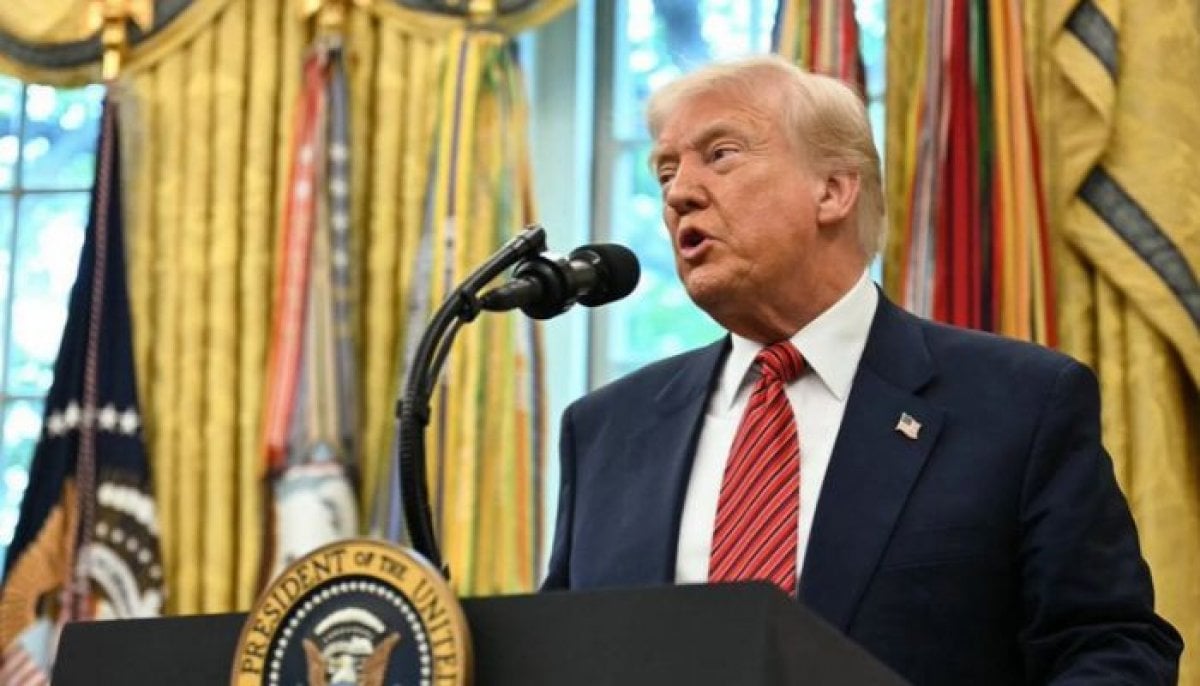
Sources told ABC News that Perez typically had the final eyes on nearly all of the president's prepared remarks and often took last-minute edits from Trump. In some instances, investigators found that Perez would back out of bets mid-speech if Trump skipped a portion of the text that contained a word Perez had bet on. This is notable as Trump previously remarked during the Detroit Economic Club speech that he goes off the teleprompter about 80% of the time.
Perez, who earned an annual salary of $175,000 as a deputy assistant to the president and technical adviser, has reportedly been "fully cooperative" with the CFTC and acknowledged some of the trades during an interview. While the CFTC is in talks with Perez to settle allegations—potentially requiring him to return profits and refrain from similar trades—federal prosecutors in Manhattan have declined to open a criminal case.
The White House spokesperson Davis Ingle told ABC News that the office maintains strict ethics guidelines for all officials and staffers. This follows an internal memo issued by the White House in March warning staff against using nonpublic information to bet on prediction markets.
The incident occurs amid a broader crackdown on insider trading within prediction markets. The Department of Justice has recently pursued cases involving a Google employee and a special forces soldier who allegedly bet on the capture of Venezuelan President Nicolás Maduro. Additionally, federal authorities are investigating whether former congressman George Santos used insider trading on Kalshi to bet on his own attendance at the State of the Union.
Kalshi maintains a policy against users placing bets based on job-related information and recently updated its rules to require employment disclosure. The House Oversight Committee has since opened an inquiry into anti-insider-trading safeguards at Kalshi and its competitor, Polymarket.
How significant is this development?
Participate in our community survey on the trajectory and real-world impact of this news.