Australian AI datacentre boom risks stoking inflation and housing shortages
A massive influx of AI infrastructure investment is sparking warnings from economists and officials over construction shortages and competition for industrial land.
- Headline Dispatch: Australian AI datacentre boom risks stoking inflation and housing shortages
- Core Takeaway: A massive influx of AI infrastructure investment is sparking warnings from economists and officials over construction shortages and competition for industrial land.
- Source Synthesis: Continuous live monitoring aggregated across major news wires and independent bureaus.
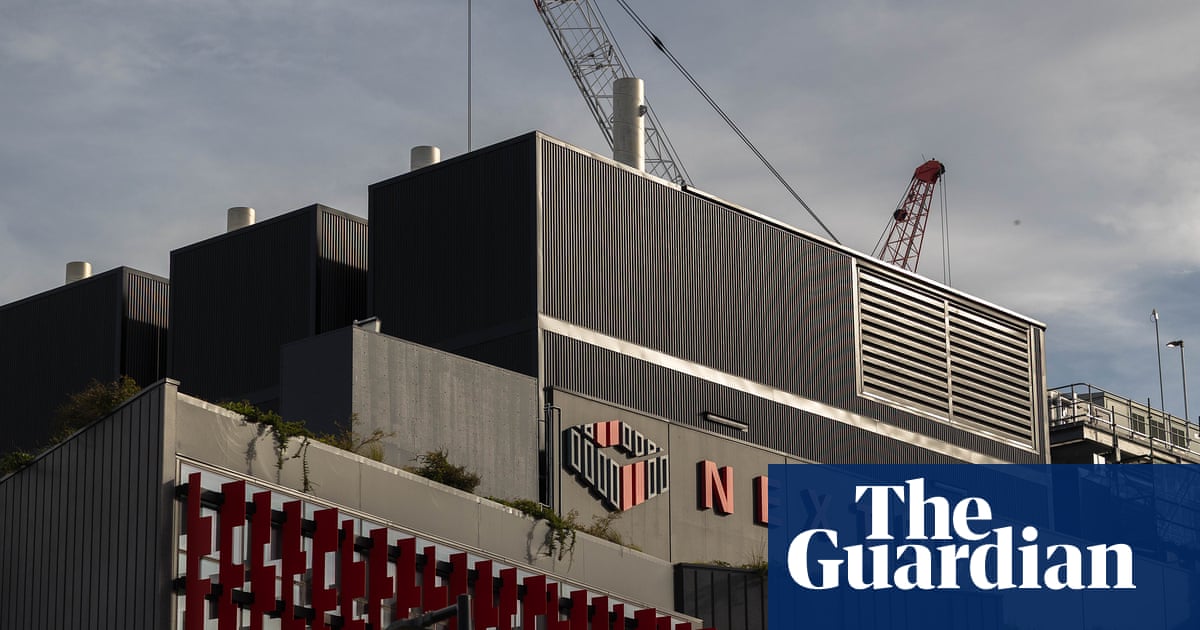
Australian AI datacentre boom risks stoking inflation and housing shortages
Australia has emerged as the premier destination for AI data centre investment outside the United States, but the rapid scale of the boom is triggering warnings from economists and government agencies. The surge in construction is threatening to drive up inflation, exacerbate construction worker shortages, and crowd out essential land needed for housing and freight logistics.
The scale of the investment is immense. More than $150 billion is lined up for AI infrastructure, with some analysts comparing the trend to the mining investment boom. Approximately 20 per cent of all non-residential construction is now directed toward these facilities. In early 2026, machinery and equipment investment — the largest contributor to economic growth — saw a record 16 per cent rise, bolstered by roughly $13 billion poured into the sector. The Australian Bureau of Statistics reported that commercial and industrial building approval values hit a record high in May due to new projects.
However, this influx of capital is creating friction in the broader economy. The Reserve Bank of Australia board expressed surprise at the strength of business investment in minutes from its June meeting released on Tuesday. The board warned that the buildout could worsen existing skills shortages, as construction workers were already scarce and costs were high before the AI boom began. Pat Bustamante, a senior economist at Westpac, suggested that because this expansion is not interest rate sensitive, the RBA may be forced to raise rates to cut spending in other areas to manage inflation.
Bustamante noted that home building would likely suffer the most pressure if rates or costs rise further. This sentiment was echoed by federal Labor backbencher Ed Husic, who pointed to a shortage of 90,000 construction workers and warned that land is being snapped up
for data centres that should have been reserved for housing.
Competition for Industrial Land
The boom is creating a direct conflict over industrial land, particularly in Sydney and Melbourne. Transport for NSW told a state parliamentary inquiry that freight and logistics operators are facing significant pressure. The agency stated that the shortage of land is causing major operators to leave Sydney for Brisbane or Melbourne.
Steven Ballerini, CEO of the Australasian Supply Chain and Logistics Association (ASCLA), noted that while data centres are critical infrastructure, they are competing for the same well-located land as distribution centres. Unlike data centres, distribution centres must remain close to the populations they serve to avoid adding cost and emissions to the supply chain.
In northern Sydney, the Lane Cove Responsible Planning Group highlighted that five planned data centres would occupy 40 per cent of the suburb's industrial land. This has led an alliance of community groups from New South Wales, Victoria, and Western Australia to call for a halt on new approvals until stronger protections for the environment, cultural heritage, and communities are established.
Resource Strain and Economic Risks
The environmental and infrastructure tolls are substantial. A proposed 52-hectare site in Kemps Creek, to be operated by US-owned Airtrunk at a cost of more than $5 billion, is expected to use 25 per cent more power than the Tomago aluminium smelter. The Australian Energy Market Operator expects data centre electricity demand to treble within four years. In Sydney, usage is projected to rise from 4 per cent of available power now to 11 per cent by 2030.
A Climate Council study suggests that if this growth is not matched by new renewable generation, wholesale prices could rise by 26 per cent in NSW and 23 per cent in Victoria by 2035. Water usage is also a concern; developers are seeking between 5 million and 40 million litres a day, with Sydney's data centres potentially requiring up to 20 per cent of the city's water supply by 2035.
Despite the growth, some analysts question the long-term local benefits. JP Morgan analyst Tom Ryan noted that much of the high-tech equipment must be imported, meaning the economic benefits of the fit-outs flow offshore. Furthermore, the Australian Tax Office has previously noted that tech giants book limited profits
in Australia, claiming the business merely provides services to foreign associates.
Government Response and Next Steps
The federal government recently released new expectations for AI infrastructure. To receive faster federal approvals, companies must now demonstrate that projects serve the national interest, create local jobs, and use water and energy sustainably. Andrew Charlton, the assistant minister for the digital economy, stated that the government's top priority remains building new homes and that states and councils must prioritise housing in planning decisions.
Belinda Dennett, CEO of Data Centres Australia, argued against a moratorium on approvals, claiming it would send jobs and investment to other countries. She noted that the industrial land vacancy rate is currently close to 4 per cent and that supply is responding through new developments in western Sydney.
The industry now faces a critical window. Dennett warned that a decision on whether Australia becomes the regional data centre capital will be made in the next two to three years, and failing to manage the boom could result in the investment dropping off.
How significant is this development?
Participate in our community survey on the trajectory and real-world impact of this news.