Trump reports at least $1.4 billion in 2025 crypto earnings
A new financial disclosure indicates that cryptocurrency ventures now account for the majority of President Donald Trump's reported income. The document details earnings from meme coin licensing and the World Liberty Financial project.
- Headline Dispatch: Trump reports at least $1.4 billion in 2025 crypto earnings
- Core Takeaway: A new financial disclosure indicates that cryptocurrency ventures now account for the majority of President Donald Trump's reported income. The document details earnings from meme coin licensing and the World Liberty Financial project.
- Source Synthesis: Continuous live monitoring aggregated across major news wires and independent bureaus.
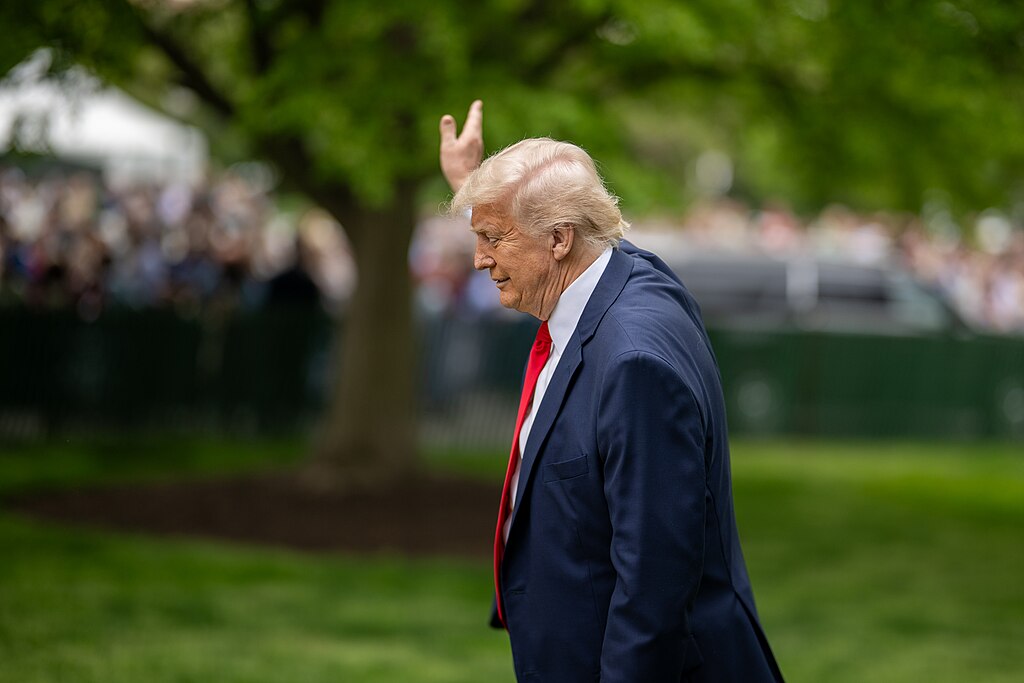
U.S. President Donald Trump reported more than $1.4 billion in income from cryptocurrency-related ventures during 2025, according to a 927-page financial disclosure form released to the U.S. Office of Government Ethics on Tuesday. These digital asset earnings now account for the majority of the president’s reported income, marking a significant shift in his financial portfolio since he returned to the White House.
The disclosure details earnings from two primary digital asset channels. Trump reported receiving $635 million from a licensing agreement with a group identified as “Celebration Coins,” which specializes in meme coins bearing his name. Additionally, World Liberty Financial—a crypto venture co-founded by the president, his sons, and diplomat Steven Witkoff—generated significant revenue. The filings indicate more than $236 million from crypto token sales and more than $65 million from the sale of equity interests associated with the firm, alongside over $290 million classified as income from associated cryptocurrency wallets. Reports suggest that Chinese billionaire Justin Sun invested $75 million in World Liberty governance tokens and an additional $200 million in souvenir coins.
The total reported crypto income represents a substantial increase from the previous year, when Trump reported $57.35 million in token sales from World Liberty Financial. Some estimates suggest the Trump family has earned at least $2.3 billion from crypto-related ventures since the president’s return to office in 2025.
The growth of these assets coincides with a series of administrative actions favoring the cryptocurrency industry, including the advancement of federal stablecoin regulations and reduced enforcement activity by the U.S. Securities and Exchange Commission and the Justice Department. White House representative Anna Kelly defended these policies, stating they are intended to foster economic opportunity. Regarding potential conflicts of interest, Kelly stated:
"Neither the President nor his family has ever engaged — or will ever engage — in conflicts of interest. All actions by President Trump and his administration are taken in the best interest of the American people."
The president’s financial disclosure also highlights investments in the GEO Group, a private prison company that holds federal contracts. The documents show that Trump’s accounts began purchasing shares of the company ten days after his inauguration in 2025. Purchases continued as the number of immigrant detainees in the company's facilities grew, with the total value of those holdings ranging between $143,000 and $445,000.
Beyond digital assets, Trump’s traditional business interests saw varied performance. Revenue from golf courses and resorts rose approximately 15% to more than $500 million. Specifically, Mar-a-Lago generated $77 million, while his West Palm Beach golf club saw a 27% increase. Conversely, revenue at his Los Angeles golf course declined. the president disclosed more than $80 million from legal settlements and approximately $52 million from licensing the Trump brand to overseas real estate projects.
The scale and length of the report have drawn comparisons to previous administrations. By contrast, President Barack Obama’s final disclosure was eight pages, while President Joe Biden’s was 11 pages and Vice President JD Vance’s report covered 17 pages. A representative for The Trump Organization described the document as one of the most comprehensive ever submitted, stating it demonstrates an "unmatched" level of transparency.
However, the disclosures have prompted renewed debate regarding executive branch ethics. Don Fox, the former acting head of the Office of Government Ethics, observed that U.S. Presidents are exempt from federal conflict-of-interest laws that apply to most executive branch employees. Fox argued that, under the current administration, previous norms governing presidential finances are "totally out the window," leading to calls for legislative reform.
The president remains the ultimate beneficiary of the assets held in the trust receiving his business income. The Trump Organization maintains that the assets are managed by third-party institutions using automated technology.
How significant is this development?
Participate in our community survey on the trajectory and real-world impact of this news.