Tata Sons Board Backs N Chandrasekaran As Chairman For Five More Years
Tata Sons has reappointed N Chandrasekaran as executive chairman for another five years, despite a dissenting vote from Tata Trusts Chairman Noel Tata.
- Headline Dispatch: Tata Sons Board Backs N Chandrasekaran As Chairman For Five More Years
- Core Takeaway: Tata Sons has reappointed N Chandrasekaran as executive chairman for another five years, despite a dissenting vote from Tata Trusts Chairman Noel Tata.
- Source Synthesis: Continuous live monitoring aggregated across major news wires and independent bureaus.
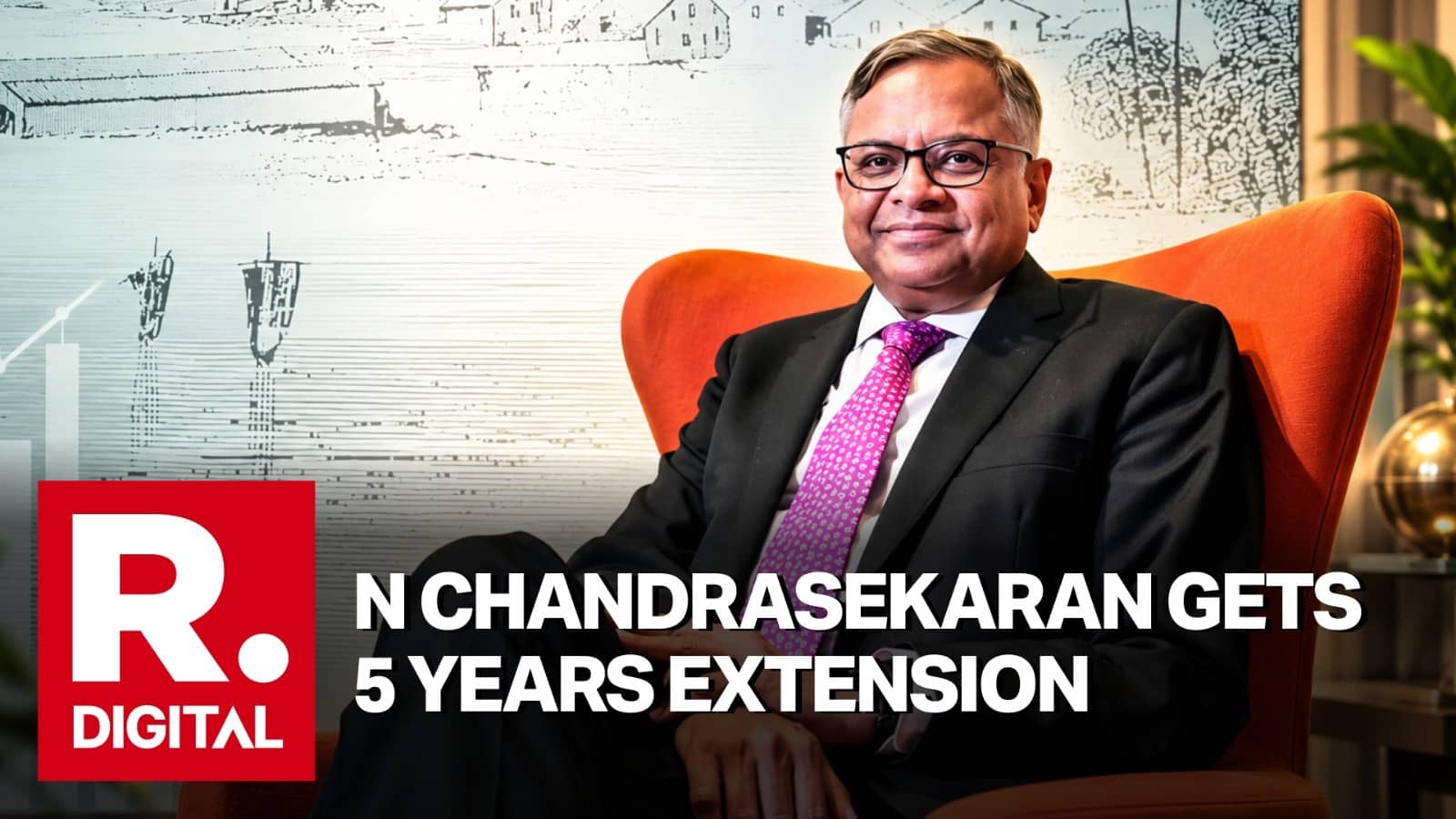
The board of Tata Sons voted on Thursday, September 17, 2026, to approve the reappointment of N Chandrasekaran as executive chairman for a fresh five-year term. According to people familiar with the matter, the resolution passed comfortably in Mumbai, though it faced opposition from Tata Trusts Chairman Noel Tata. All other members of the Tata Sons board backed Chandrasekaran’s continuation, the people said.
The vote marks a sharp turnaround from August 2026, when Chandrasekaran announced he would not seek a third term. That earlier announcement followed a six-month leadership deadlock originating from a February board meeting where his extension failed to win unanimous backing. At the time, Chandrasekaran noted that roughly half a year had passed without a definitive resolution, prompting him to ask the board to initiate a succession process. Following Thursday's vote, however, that succession machinery has been paused or discontinued, and directors asked Chandrasekaran to reconsider his exit.
Regulatory Pressures and the Listing Conundrum
The leadership extension unfolds against a backdrop of intense regulatory oversight. Days before the board meeting, the Reserve Bank of India rejected Tata Sons' application to surrender its registration as a core investment company. The central bank originally classified Tata Sons as an "upper-layer" non-banking financial company in September 2022, a designation that carries a mandatory stock market listing requirement within three years.
To avoid this framework, Tata Sons had spent more than a year attempting to bypass public listing obligations, including paying down substantial debt. The central bank's refusal effectively revives the prospect of an initial public offering. Analysts note that an eventual public debut of Tata Sons could rank among the largest IPOs in Indian history, with even a minute percentage sale implying a massive overall valuation for the group. The Reserve Bank of India has also filed a caveat in the Bombay High Court to ensure its position is heard if Tata Sons pursues legal relief.
Stakeholder Positions and Diverging Interests
Tensions surrounding the leadership and regulatory compliance expose deep fractures among the conglomerate's key power brokers. Tata Trusts collectively control roughly 66% of Tata Sons. Noel Tata had sought a firm commitment that the holding company would avoid public listing regardless of regulatory pressure, citing concerns over losses at specific group companies, rising debt, and the dilution of the trusts' ability to ward off hostile takeovers. Chandrasekaran, conversely, maintained reservations about offering such a guarantee given evolving regulatory mandates.
| Stakeholder | Approximate Ownership | Stance on Listing & Governance |
|---|---|---|
| Tata Trusts | 66% | Wary of public listing due to reduced board control and takeover vulnerabilities; led by Noel Tata, who opposed the chairman's extension. |
| Shapoorji Pallonji Group | 18% (or ~18.4%) | Advocates for a public listing to monetize its stake and alleviate heavy debt burdens. |
Meanwhile, minority stakeholder Shapoorji Pallonji Group, which holds an approximate 18% stake in the holding firm, has long pushed for a public listing to unlock the value of its investment and reduce its own financial liabilities. Other prominent figures, including Venu Srinivasan, reportedly supported Chandrasekaran's reappointment.
Governance Complications and Next Steps
The governance landscape at Tata Sons remains layered with procedural hurdles. The holding company's annual general meeting has stalled due to a lack of quorum. This deadlock stems from the Sir Ratan Tata Trust's inability to nominate a representative, a complication tied to its board composition and the proportion of permanent trustees. A valid quorum mandates the attendance of at least five members, including joint nominees from both the Sir Dorabji Tata Trust and the Sir Ratan Tata Trust, which jointly hold a majority stake.
Furthermore, the Sir Ratan Tata Trust has faced operational restrictions amid an inquiry by the Maharashtra Charity Commissioner into its board structure. Under Tata Sons’ articles of association, the formal selection of a chairman ordinarily requires a specific five-member commission drawn jointly from the trusts and the holding company board, though Thursday's majority vote bypassed that immediate mechanism.
While the board cleared the immediate leadership question by backing Chandrasekaran through February 2027 and beyond, it did not formally resolve the listing dilemma during Thursday's session. Directors instead reviewed multiple compliance pathways to satisfy Reserve Bank of India standards. As the conglomerate navigates these regulatory expectations, formal AGM ratification of the chairman's new term and decisions regarding capital structure and public listing remain pending.
How significant is this development?
Participate in our community survey on the trajectory and real-world impact of this news.