Residents in Congo cling to hope as Ebola treatment trial begins
Researchers have launched a study in eastern Congo to determine if remdesivir, MBP134, or a combination of both can increase survival rates for those infected with the Bundibugyo virus.
- Headline Dispatch: Residents in Congo cling to hope as Ebola treatment trial begins
- Core Takeaway: Researchers have launched a study in eastern Congo to determine if remdesivir, MBP134, or a combination of both can increase survival rates for those infected with the Bundibugyo virus.
- Source Synthesis: Continuous live monitoring aggregated across major news wires and independent bureaus.
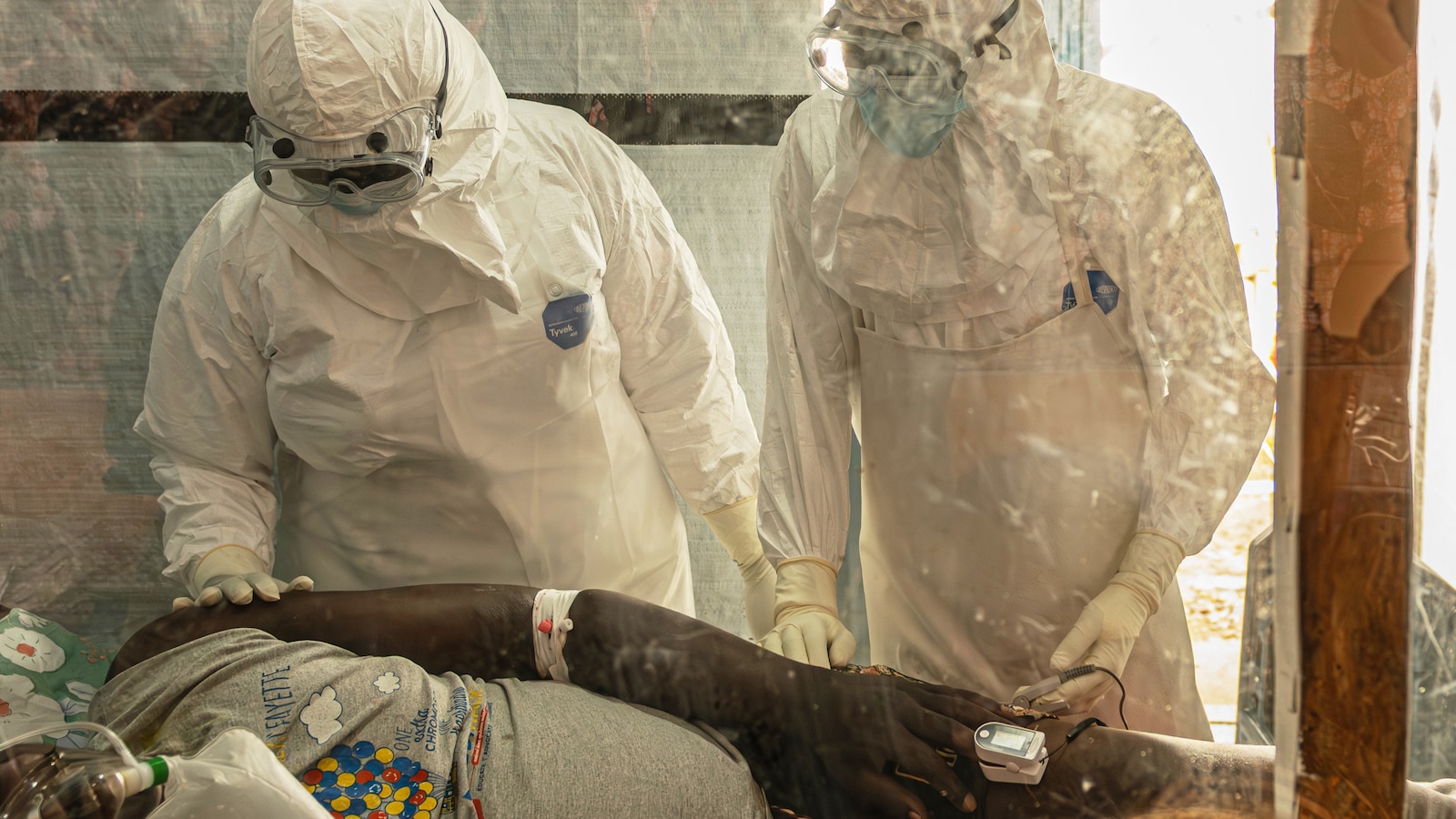
Residents in Congo cling to hope as Ebola treatment trial begins
Researchers began a highly anticipated study of two possible Ebola treatments on Thursday, July 3, 2026, in eastern Congo. The launch occurred at the Evangelical Medical Center’s Ebola treatment center in Bunia, located in the Ituri province, where the effort unfolded quietly amid a continuing struggle to keep patients alive.
The World Health Organization (WHO) announced that the first participant had been enrolled in the study on the same day. The trial, known as PARTNERS (Platform Adaptive Randomised Trial for New and Repurposed Filovirus TreatmentS), seeks to determine if the antiviral remdesivir, the experimental antibody treatment MBP134, or a combination of both can increase survival rates for those infected with the Bundibugyo virus.
This specific virus is less common than other Ebola-causing strains, and no specific vaccines or treatments currently exist for it. According to WHO Director-General Tedros Adhanom Ghebreyesus, more than 1,400 people have been diagnosed and 438 have died.
Trial Structure and Methodology
The WHO-sponsored trial is a collaboration involving the University of Oxford in Britain, Antwerp’s Institute of Tropical Medicine, and Congo’s national biomedical research institute, INRB. It also involves partnerships with the Ministry of Public Health of the Democratic Republic of the Congo, Médecins Sans Frontières (MSF), and ALIMA.
According to WHO research adviser Dr. Vasee Moorthy, all enrolled patients will receive the current best standard of care and be randomly assigned to receive MBP134, remdesivir, both, or neither. Survival is tracked for 28 days after treatment begins. Moorthy noted that it could take months and as many as 1,000 participants to determine if the drugs work, though results may appear faster if a treatment is highly effective.
The drugs were provided via donations from the U.S. Government, which owns the MBP134 doses and funded its research, and Gilead Sciences, which produces remdesivir. The latter is a broad-acting antiviral approved for COVID-19 that showed potential in lab tests against the Bundibugyo virus.
A Growing Public Health Emergency
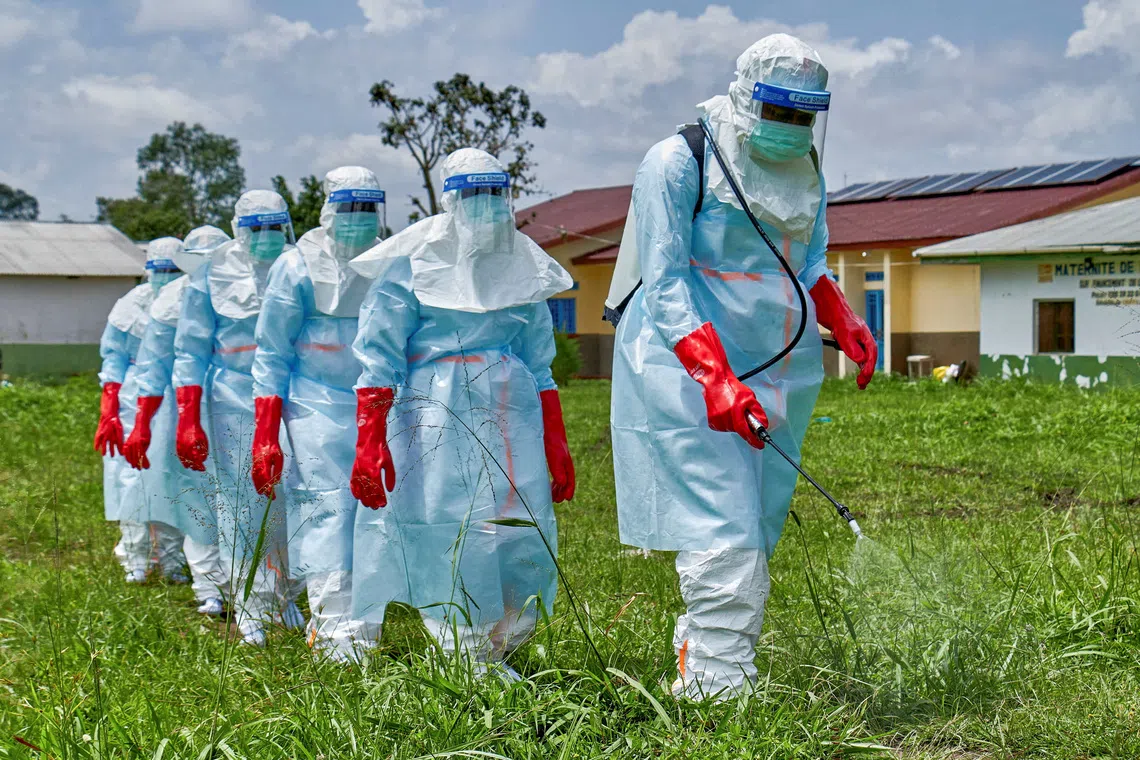
The WHO has declared the situation a public health emergency. The outbreak began in May, but public health authorities in the U.S. And Africa CDC warned the outbreak could become one of the largest ever because it spread for weeks before being confirmed as Ebola.
As of July 1, the WHO reported the following figures in the Democratic Republic of the Congo:
| Category | Number of Cases |
|---|---|
| Confirmed Cases | 1,460 |
| Suspected Cases | 150 |
| Deaths | 452 |
| Recovered | 213 |
While Congolese health authorities stated the outbreak was restricted to three eastern provinces—Ituri, North Kivu, and South Kivu—other reports indicate potential spread. Reuters and AFP report the body of a pregnant woman who died in Ituri tested positive for Ebola after being transported to Kisangani in Tshopo province. Additionally, an individual suspected of having Ebola reportedly fled an isolation unit in Ituri and later tested positive in Haut-Uele province.
To curb the spread, public gatherings have been banned in Kinshasa, Bas-Uele, Haut-Uele, and Tshopo. The Congo health ministry has increased the number of laboratories testing for the virus from four to 10.
Community Response and Barriers
For residents of Bunia, the trials offer a light at the end of the tunnel
, according to resident Audrey Tengetenge. Gladys Munguro, a survivor discharged from a treatment center two weeks ago, stated she will volunteer for the next phase of the trials intended for high-risk individuals.
However, the response faces significant obstacles. Conflict in eastern Congo, including control of large areas by the M23 rebel group, has hindered efforts. Pierre Akilimali, incident manager at Congo’s National Institute of Public Health, said nearly three out of four Ebola deaths in this outbreak occur outside of health centers.
Deep community mistrust also persists. Nelson Dhebi, a local shopkeeper, expressed concern that the treatments could cause deaths and suggested that research should be carried out first on elected representatives.
Next Steps
The current phase focuses on confirmed patients in specialized centers. Professor Yap Boum of the Africa Centres for Disease Control and Prevention stated a second phase will include close contacts and healthcare workers. Professor Placide Mbala noted the research could continue for three to six months, depending on the outbreak's evolution.
Officials intend to expand the trials to additional locations once it is deemed safe to do so.
How significant is this development?
Participate in our community survey on the trajectory and real-world impact of this news.