Congo launches experimental Ebola treatment trials in Bunia to fight virus
Medical teams in eastern Congo are testing experimental treatments for an Ebola outbreak that has caused 438 deaths in the Ituri province.
- Headline Dispatch: Congo launches experimental Ebola treatment trials in Bunia to fight virus
- Core Takeaway: Medical teams in eastern Congo are testing experimental treatments for an Ebola outbreak that has caused 438 deaths in the Ituri province.
- Source Synthesis: Continuous live monitoring aggregated across major news wires and independent bureaus.
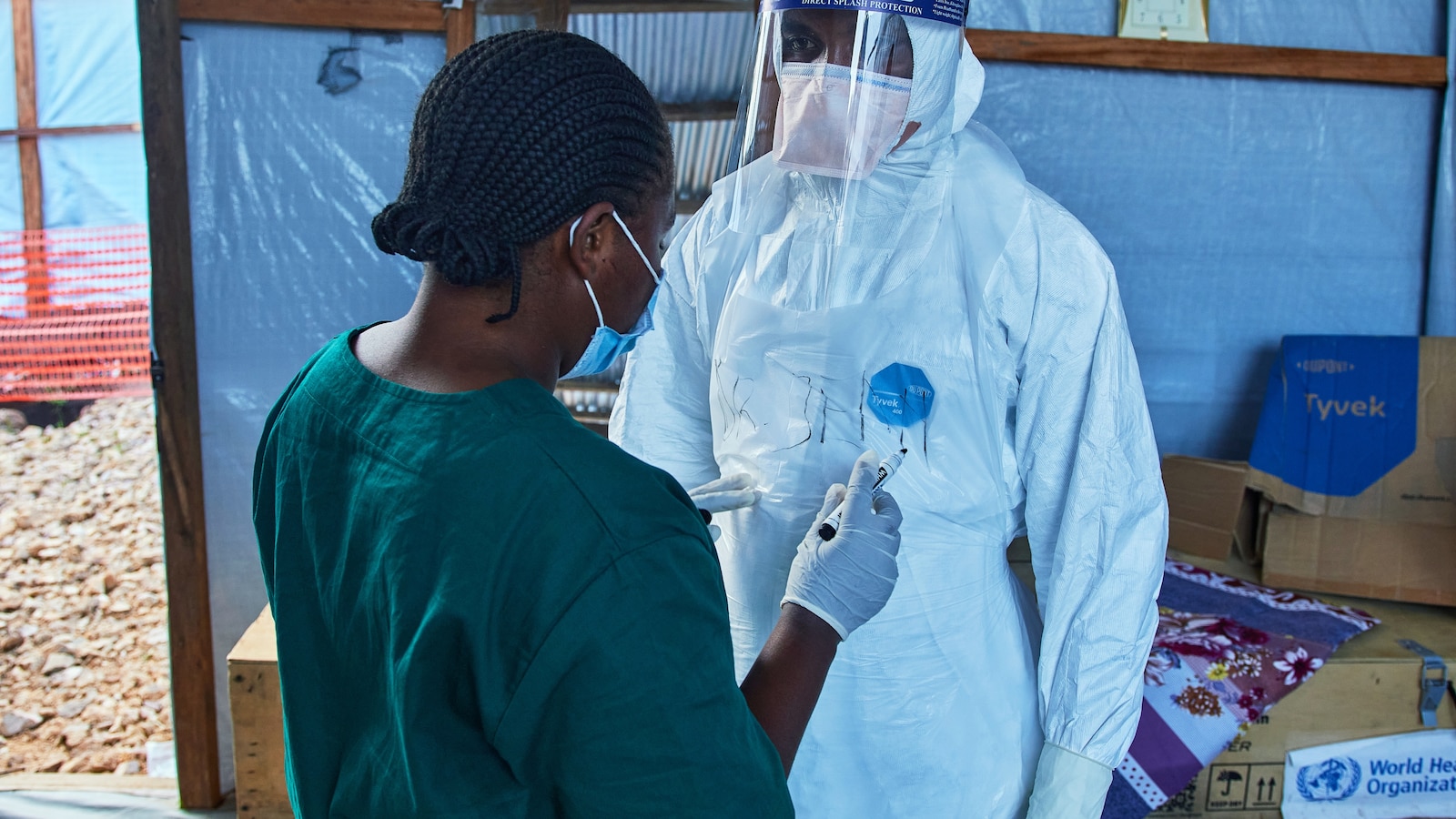
Researchers in eastern Congo have launched a highly anticipated clinical trial aimed at combating a persistent outbreak of the Bundibugyo strain of the Ebola virus. The study, which began in early July 2026, focuses on evaluating two potential medical interventions that could offer a much-needed defense against a strain that currently lacks specific vaccines or targeted treatments.
The research is centered at the Evangelical Medical Center in Bunia, located in the Ituri province. According to data provided by the World Health Organization, more than 1,400 individuals have been diagnosed with the virus, with 438 deaths reported.
"Already more than 1,400 people have been diagnosed and 438 have died."
Tedros Adhanom Ghebreyesus, head of the World Health Organization, via Associated Press
The trial, which officially enrolled its first participant on Thursday, is assessing the effectiveness of the antiviral drug remdesivir and an experimental antibody treatment known as MBP134. Patients may receive one of these treatments or a combination of both. Dr. Vasee Moorthy, a research adviser at the World Health Organization, indicated that the study will track patient survival for 28 days following the initiation of treatment.
This initiative is a collaborative effort involving several prominent health organizations, including Congo’s national biomedical research institute (INRB), the University of Oxford, and the Institute of Tropical Medicine in Antwerp. Professor Placide Mbala, who coordinates laboratory activities for the outbreak, stated that the research is expected to span between three and six months, a timeline contingent on the evolution of the outbreak.
Current efforts are restricted to confirmed Ebola patients within specialized treatment facilities. Professor Yap Boum, head of emergency response at the Africa Centres for Disease Control and Prevention, noted that plans are in place for a second phase of the study. This subsequent phase is intended to expand to include close contacts of infected individuals, healthcare workers, and others identified as being at high risk of contracting the disease.
For the residents of Bunia, the introduction of these trials provides a sense of hope amidst an environment defined by grief and instability.
"I hope everything moves very quickly so that we can find relief. We want nothing more than an end to this very dangerous disease, which continues to bring us grief."
Audrey Tengetenge, Bunia resident, via Associated Press
Despite the medical focus, researchers continue to encounter significant obstacles. Safety concerns remain a constant threat, as the region has been marked by violence, including incidents specifically targeting health workers. Additionally, public health officials have highlighted that nearly three out of four deaths associated with this outbreak occur outside of established medical centers, a trend attributed in part to delays in seeking care and overcrowding in facilities. Pierre Akilimali, incident manager at the National Institute of Public Health, noted these challenges on Friday.
Community skepticism also presents a hurdle for the medical teams. Some residents have expressed apprehension regarding the safety of the experimental drugs.
"Research should be carried out first and foremost on our elected representatives, as they are the ones who represent us."
Nelson Dhebi, Bunia shopkeeper, via Associated Press
For survivors like Gladys Munguro, who was discharged from a treatment center two weeks prior to the launch of the trials, the research represents a vital step forward. Having witnessed the deaths of fellow patients, Munguro expressed her intention to volunteer for the future phases of the trial designated for high-risk individuals.
While the study is currently limited to the Evangelical Medical Center in Bunia, officials intend to broaden the reach of the trials to other locations as security conditions permit.
How significant is this development?
Participate in our community survey on the trajectory and real-world impact of this news.