Ebola outbreak kills over 1,000 people in DRC and Uganda
The World Health Organization reports an Ebola outbreak in the DRC and Uganda has caused over 1,000 deaths and is escalating with unprecedented speed.
- Headline Dispatch: Ebola outbreak kills over 1,000 people in DRC and Uganda
- Core Takeaway: The World Health Organization reports an Ebola outbreak in the DRC and Uganda has caused over 1,000 deaths and is escalating with unprecedented speed.
- Source Synthesis: Continuous live monitoring aggregated across major news wires and independent bureaus.
Ebola outbreak kills over 1,000 people in DRC and Uganda
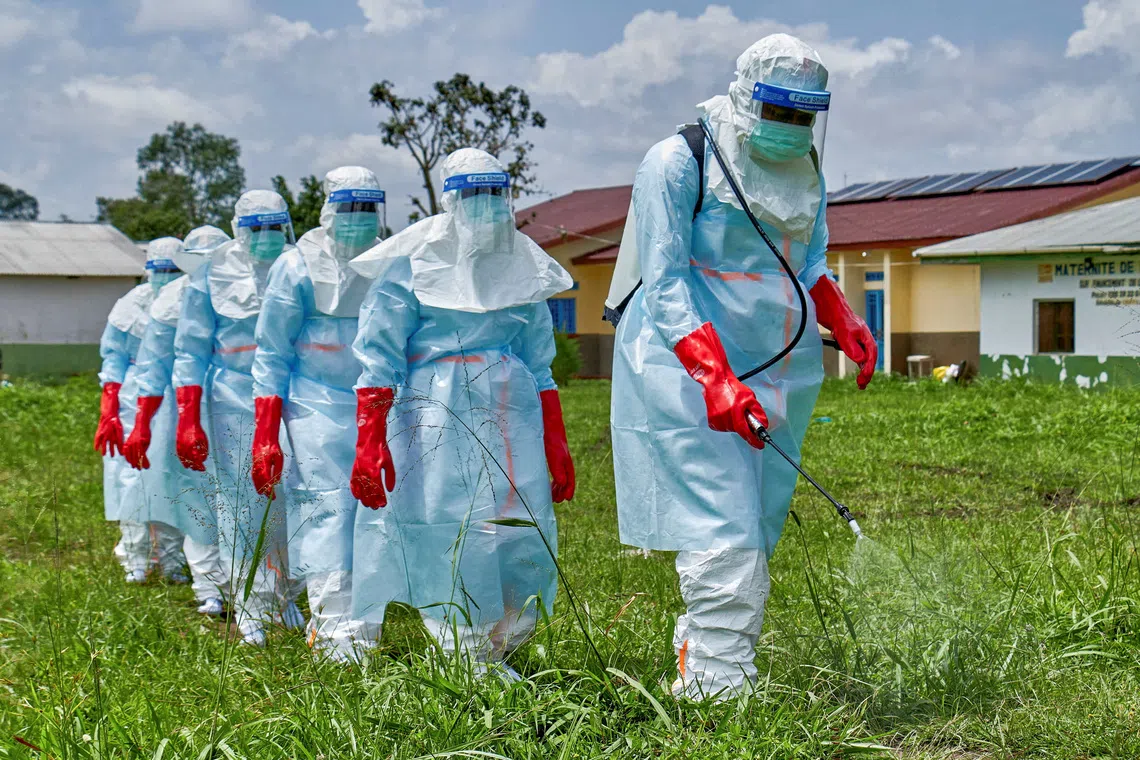
The World Health Organization announced on Wednesday, July 22, 2026, that an Ebola outbreak spanning the Democratic Republic of Congo (DRC) and Uganda has resulted in more than 1,000 deaths. The outbreak, which involves the Bundibugyo strain of the virus, was first declared on May 15 after several deaths occurred in the north-eastern DRC province of Ituri.
Data from the two countries indicates a severe toll in the DRC, where 2,473 cases and 999 deaths have been confirmed. The DRC’s Health Ministry further noted that at least 737 patients remain in hospitals or isolation. In neighboring Uganda, 20 cases and two deaths have been registered. Most cases in Uganda involved Congolese citizens who crossed the border.
Health officials warn that this particular outbreak is escalating with unprecedented speed. WHO chief Tedros Adhanom Ghebreyesus stated last week that the virus has expanded faster than any previous outbreak
over the past month. This rate of transmission exceeds even the 2013-2016 outbreak, which is regarded as the worst on record with over 11,000 deaths; that previous event took approximately eight months to reach 1,000 deaths.
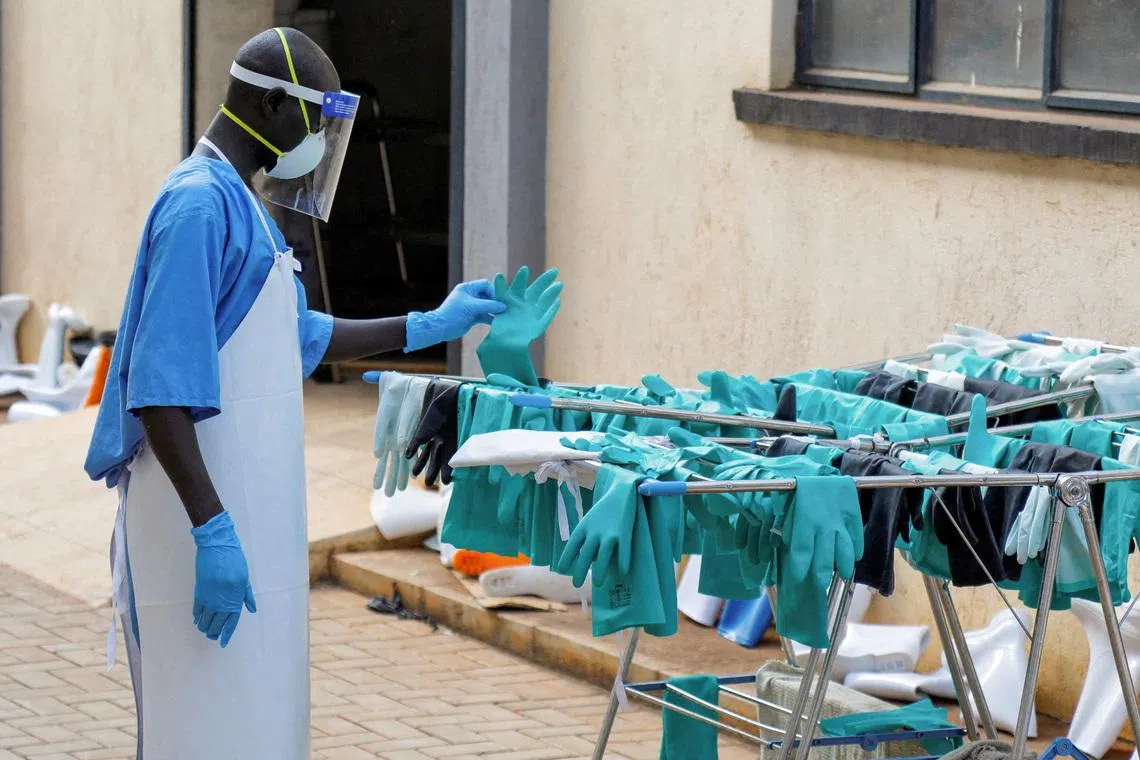
The virus spreads through infected bodily fluids and close contact. In Ituri, the concentration of the outbreak is exacerbated by poverty and the presence of armed groups. Trish Newport, director of emergency programmes for Doctors Without Borders (MSF) in Bunia, said that contact tracing requires enormous resources
due to these conditions. She noted that families sometimes bury the deceased without protective measures, which accelerates the spread. According to Newport, a single death can lead to up to 17 cases of transmission
.
While the outbreak is concentrated in Ituri, cases have also appeared in four other DRC provinces. In Bunia, a city of nearly one million people, anxiety is rising among residents. Heritier Bomengo, a motorbike taxi driver, said he witnessed three members of one family die within a week, leading him and his colleagues to stock up on hand sanitizer.
Medical response efforts are currently struggling to keep pace with the virus. Thierno Balde, the WHO’s incident manager for the Bundibugyo virus in DRC, told reporters on July 21 that despite efforts to ramp up the response, the outbreak remains ahead of us and we are still in a phase of catching up
.
Complicating the crisis is the lack of approved treatment or vaccines specifically for the Bundibugyo strain. However, the WHO reports encouraging progress through ongoing ground trials for a vaccine, post-exposure prophylaxis, and two potential treatments.
The severity of the situation has drawn alarms from regional leaders. Jean Kaseya, Director-General of Africa’s Centres for Disease Control and Prevention (Africa CDC), described the outbreak as escalating at an alarming pace
on X. He warned that if the virus is not stopped immediately, it could become the worst outbreak the world has ever documented, urging the mobilization of every available resource.
In Uganda, the situation appears to be stabilizing. The country has not registered new cases in three weeks, and its final Ebola patient was discharged on July 16. Under WHO guidelines, Uganda has begun a 42-day countdown; once this period concludes without new cases, the country can be declared free of the virus.
Despite this progress, travel restrictions remain. The US is currently restricting entry for all travelers who were recently in the DRC, as well as some who visited South Sudan or Uganda. Jean Kaseya told a conference on Tuesday that he has written to US Health Secretary Robert F Kennedy Jr to request the lifting of restrictions on Uganda given the absence of new infections for about a month.
How significant is this development?
Participate in our community survey on the trajectory and real-world impact of this news.