Two die of measles in Pennsylvania outbreak, health officials say
Pennsylvania health officials report the first measles-related deaths in 35 years amid a surge of nearly 400 cases centered in Lancaster County.
- Headline Dispatch: Two die of measles in Pennsylvania outbreak, health officials say
- Core Takeaway: Pennsylvania health officials report the first measles-related deaths in 35 years amid a surge of nearly 400 cases centered in Lancaster County.
- Source Synthesis: Continuous live monitoring aggregated across major news wires and independent bureaus.
Two die of measles in Pennsylvania outbreak, health officials say
Two unvaccinated residents of Lancaster County have died from measles, the Pennsylvania Department of Health announced Tuesday, August 25, 2026. These represent the first measles-related deaths in the state in 35 years.
State officials declined to provide further details regarding the deceased to protect the privacy of the families involved. The deaths occur amid a significant surge in the highly contagious viral disease, with Lancaster County serving as the center of a major outbreak that has sickened nearly 400 people this year.
The Pennsylvania Department of Health reported 393 confirmed measles cases across 28 to 29 counties so far in 2026. None of the patients diagnosed in the state this year have been fully vaccinated, and children account for approximately one-third of those cases. Pennsylvania currently has the third-highest number of measles cases in the United States for 2026, trailing only Utah and South Carolina, according to data from the CDC available as of last Thursday.
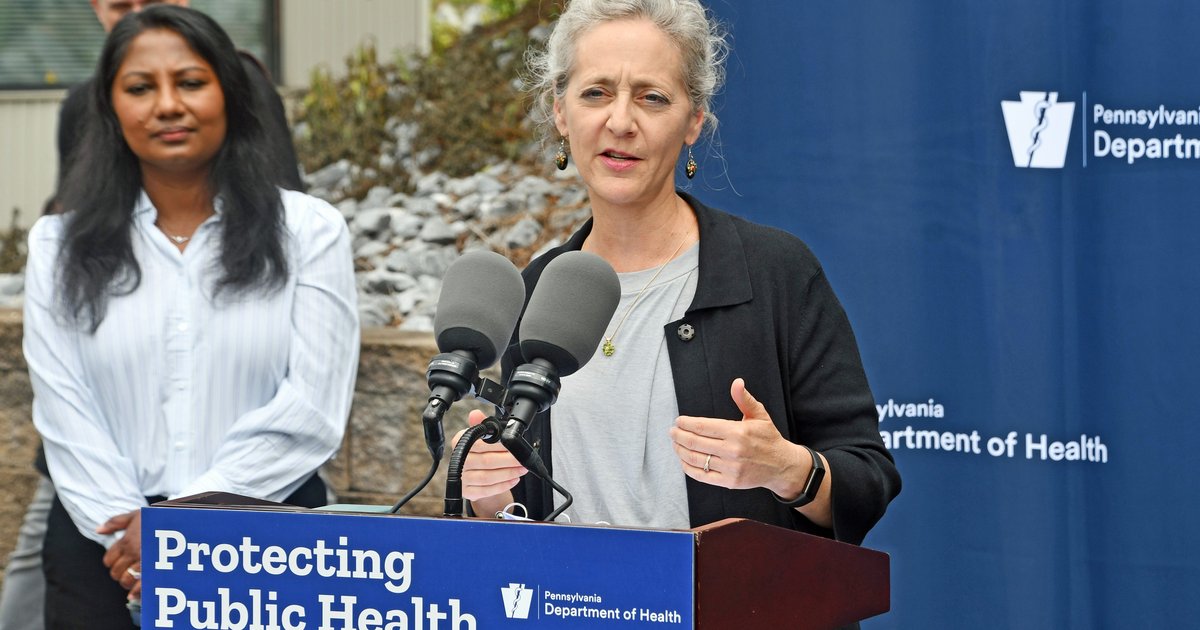
"My deepest sympathies are with the loved ones who are facing this unimaginable loss,"
Dr. Debra Bogen, state secretary of health, via PhillyVoice
Dr. Bogen noted that because the disease was largely eliminated in the Commonwealth for more than three decades, many people do not fully understand the potential severity of the illness. She urged residents to seek vaccination, stating, As a physician, I want to make sure that people understand that the [measles, mumps, and rubella] vaccine is safe and provides the best protection we have against measles.
The current crisis evokes memories of a deadly period in 1991, the last time Pennsylvania recorded measles deaths. During a Philadelphia outbreak between 1990 and 1991, more than 1,400 cases were recorded, and nine children died. That outbreak was heavily concentrated in two fundamentalist religious communities, the Faith Tabernacle Congregation and First Century Gospel Church, where vaccination and conventional medicine were rejected for faith healing. CDC records indicate six deaths and roughly 480 cases occurred within that religious community alone, eventually leading authorities to seek court orders to hospitalize ill children.
Measles is a viral disease with no cure that spreads through breathing, coughing, or sneezing. The virus can remain infectious on surfaces and in the air for up to two hours after an infected person leaves the area. It is highly efficient at spreading, capable of infecting nine in 10 unvaccinated people exposed to it.
Health officials warn that the disease can be life-threatening, causing complications such as pneumonia and brain swelling. The Pennsylvania Department of Health reports that nearly 20% of people who contract measles are hospitalized. While deaths are rare, occurring in about one to three people for every 1,000 cases, the national trend is rising. Three people died of measles nationwide in 2025, and the CDC confirmed 2,777 U.S. Cases as of August 20, 2026 — the highest annual total since the resurgence between 1989 and 1991.
Medical experts and the American Academy of Pediatrics recommend the MMR vaccine in two doses: the first between 12 and 15 months of age and the second between ages 4 to 6. Two doses provide roughly 97% protection. However, vaccination rates are declining and childhood exemption requests are increasing. Additionally, President Donald Trump signed an executive order last month stating the MMR vaccine should be administered as three separate shots, calling the standard childhood vaccination schedule into question.
Symptoms of measles typically emerge seven to 21 days after exposure. Initial signs include:
- Fever
- Dry cough
- Runny nose
- Red, itchy, or watery eyes
A blotchy rash in shades of red, purple, or brown typically develops several days after these initial symptoms, starting on the head and spreading downward.
Pennsylvania residents who believe they have been exposed or are showing symptoms are urged to contact their health care provider or the state health department's hotline at (877) 724-3258. Gov. Josh Shapiro was expected to address the outbreak Tuesday morning during a press conference at Lancaster General Hospital.
How significant is this development?
Participate in our community survey on the trajectory and real-world impact of this news.