US strikes 3 Iranian oil tankers after missiles target Navy ships
The United States military destroyed three Islamic Revolutionary Guard Corps crude oil tankers in the Persian Gulf in direct retaliation for Iranian ballistic missiles targeting US Navy warships.
- Headline Dispatch: US strikes 3 Iranian oil tankers after missiles target Navy ships
- Core Takeaway: The United States military destroyed three Islamic Revolutionary Guard Corps crude oil tankers in the Persian Gulf in direct retaliation for Iranian ballistic missiles targeting US Navy warships.
- Source Synthesis: Continuous live monitoring aggregated across major news wires and independent bureaus.

The United States military destroyed three Islamic Revolutionary Guard Corps crude oil tankers in the Persian Gulf on Saturday, September 5, 2026, after Iran launched ballistic missiles at two US Navy vessels. Footage documented large tankers engulfed in flames with thick plumes of black smoke rising from the sea. According to United States Central Command, the destroyed vessels belonged to a multibillion-dollar shadow network funding the IRGC and its regional proxies. Two of the targeted ships were located in the Gulf of Oman, while the third was anchored near Kharg Island, Iran's primary export terminal through which 90% of its crude exports flowed before the war.
Military Escalation and Strategic Context
The retaliatory strikes follow intensified regional hostility that accelerated after an Aug. 17 cease-fire deadline failed to produce a peace agreement. US Central Command noted that American forces simultaneously targeted Iranian air defence, radar, communications, and mine-laying capabilities. Vice President JD Vance had previously declined to categorize the months-long confrontation as a war due to a stated lack of active shooting, a characterization that faced renewed scrutiny as hostilities flared.
"Let the message to the IRGC be clear: If you shoot at two of our ships, we will impose an even higher economic cost —taking out three of yours"
Adm. Brad Cooper, CENTCOM commander, via NY Post
Footage filmed aboard a nearby vessel and obtained by Iran International captured a US military aircraft crew issuing radio warnings to an oil tanker near Kharg Island prior to the strike. Crew members were heard speaking in Persian and Urdu while attempting to locate the ship's captain, who was reportedly still asleep. After issuing a final warning instructing the crew to enter lifeboats and abandon the ship, the US crew unleashed a barrage of missiles against the vessel, which was first sanctioned by Washington in 2018.
Secretary of War Pete Hegseth reinforced the administration's stance on X, writing: It’s simple: if Iran shoots at US ships, we will destroy (and sink) their oil tankers. All they have to do is not shoot at US Navy.
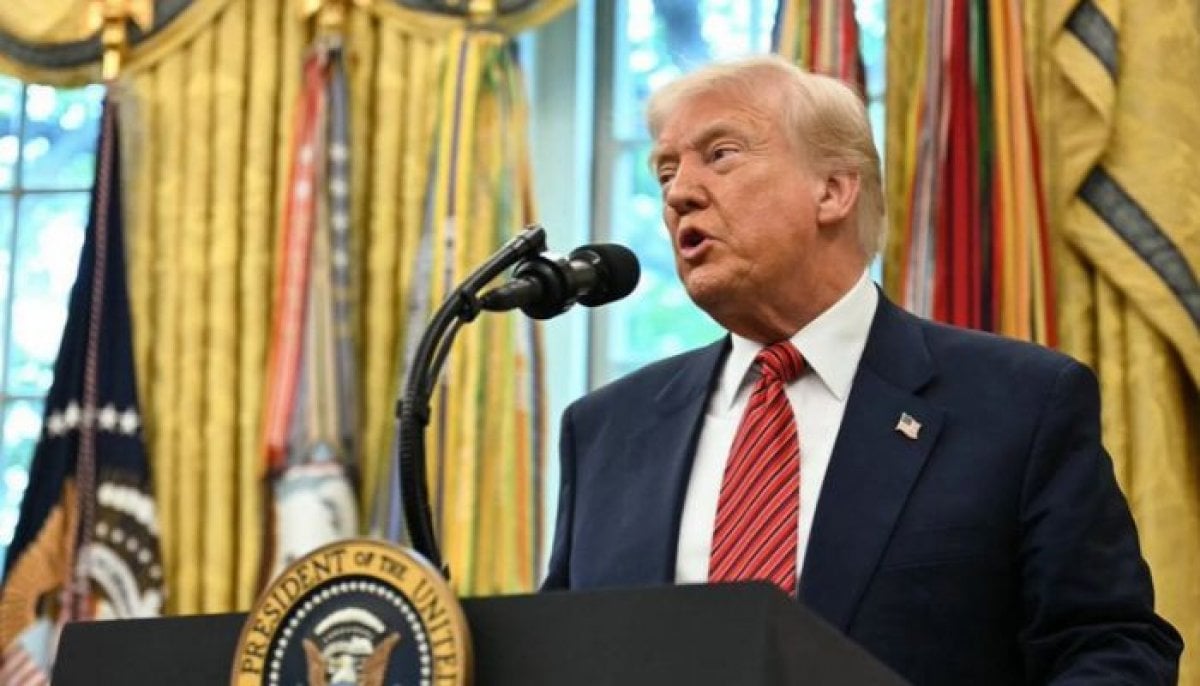
President Donald Trump claimed that Washington now has “almost total control” of the Strait of Hormuz, asserted that he “couldn’t care less” whether Tehran returns to negotiations, and warned Iran will be hit at a “much harder and higher level”.
Regional Retaliation and Casualties
The renewed American campaign triggered wider regional retaliation, with Tehran launching missile and drone attacks across the Gulf and Jordan. Iranian state media reported that the IRGC targeted Prince Hassan Air Base, while Jordanian authorities reported intercepting 10 missiles and said three landed in unpopulated areas. Meanwhile, Iran's Revolutionary Guard announced that four soldiers were killed in a US attack in Kermanshah province.
Iranian officials also reported civilian casualties, stating that a US strike hit a home hosting a wedding in southern Sirik, killing at least five people, including a child, and injuring dozens. The US military stated that it does not target civilians and noted that the reports originated from Iranian state media.
| Incident / Target | Location | Reported Impact / Details |
|---|---|---|
| US Tanker Strikes (3 ships) | Persian Gulf / Gulf of Oman / Kharg Island | Destroyed by US missiles in retaliation for attacks on Navy warships; vessels identified as part of the IRGC shadow funding network. |
| US Navy Warships | Regional Waters | Targeted by IRGC ballistic missiles; carrier and destroyer successfully evaded attacks with no American personnel injured. |
| Prince Hassan Air Base | Jordan | Targeted by Iranian missiles; Jordan reported intercepting 10 missiles with three landing in unpopulated areas. |
| Wedding Celebration Strike | Southern Sirik, Iran | Reported by Iranian officials as a US strike killing five civilians, a claim noted by the US military as originating from state media. |
Diplomatic Status and Future Outlook
Supreme Leader Mojtaba Khamenei issued his first message since the fighting resumed, stating that Iran's armed forces have “unforgettable lessons” in store for the United States. Iranian military spokesperson Ebrahim Zolfaghari warned through state media that strikes against US military vessels would be more severe if the maritime blockade and harassment of Iranian ships continue. The IRGC vowed to batter boats traveling through Hormuz unless the US removed its naval blockade.
Despite the escalation, Iranian President Masoud Pezeshkian stated that Tehran is prepared to return to the interim ceasefire if Washington does the same, leaving the diplomatic window hanging in the balance as regional tensions persist.
How significant is this development?
Participate in our community survey on the trajectory and real-world impact of this news.