New South Wales detects first suspected case of H5 bird flu
Authorities in New South Wales have identified a suspected case of H5 bird flu in a migratory seabird, marking the virus's arrival on Australia's east coast.
- Headline Dispatch: New South Wales detects first suspected case of H5 bird flu
- Core Takeaway: Authorities in New South Wales have identified a suspected case of H5 bird flu in a migratory seabird, marking the virus's arrival on Australia's east coast.
- Source Synthesis: Continuous live monitoring aggregated across major news wires and independent bureaus.
New South Wales detects first suspected case of H5 bird flu
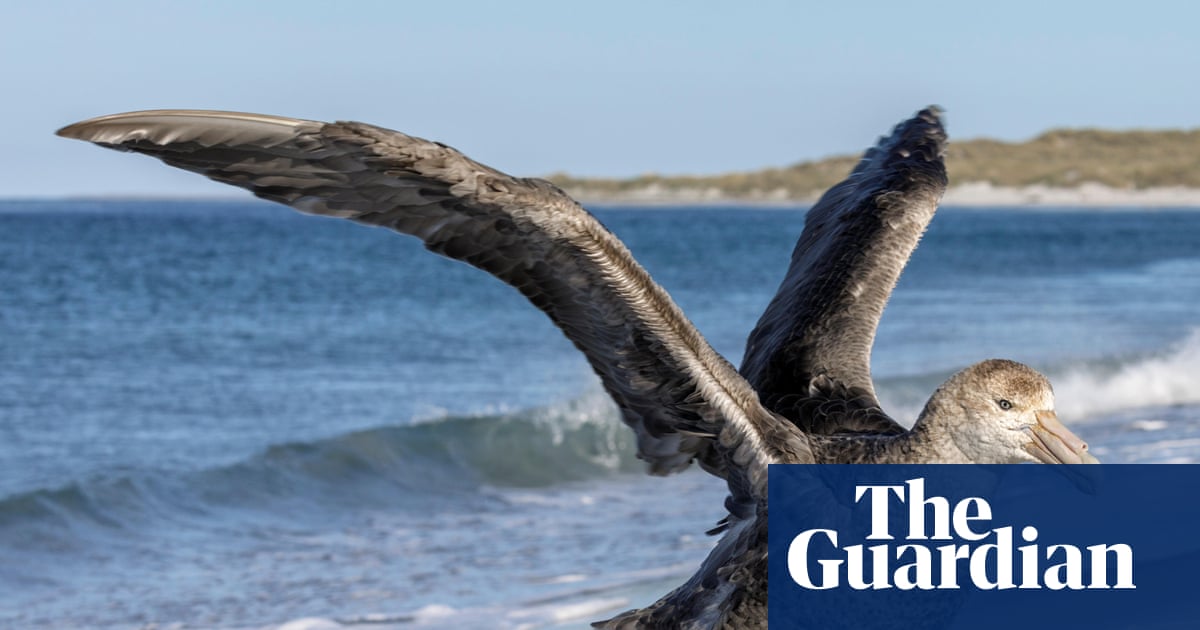
Authorities in New South Wales have identified a suspected case of H5 bird flu in a giant petrel found near Hawks Nest, north of Newcastle. The discovery marks the first time a wild migratory seabird in the state has returned a suspected positive result, signaling the arrival of the virus on Australia’s east coast.
The bird was spotted by a member of the public who noticed it was unwell. Preliminary testing at an agricultural institute in Sydney's Camden confirmed the petrel was positive for H5 influenza. Samples have since been sent to the national testing lab in Geelong and the CSIRO to determine if the virus is the highly pathogenic H5N1 strain, known as H5N1 2.3.4.4b.
NSW Agriculture Minister Tara Moriarty described the development as incredibly concerning for both agriculture and for wildlife
, noting that the wild bird likely flew in from other parts of the world
.
National Spread and Surveillance
The detection in New South Wales follows a series of cases in other regions. Since late June, five cases have been confirmed in migratory subantarctic birds: four in Western Australia and one in South Australia. The first known case in Australia occurred last month in a brown skua seabird at Cape Le Grand beach in Western Australia.
Western Australia reported a fifth suspected case on Friday, July 3, involving a dead giant petrel found at Mullaloo in Perth’s northern suburbs. Samples from both the New South Wales and Western Australia birds are currently awaiting CSIRO confirmation.
Federal Agriculture Minister Julie Collins noted that CSIRO sequencing of two of the five previously confirmed cases showed separate infections, suggesting the birds flew to Australia independently rather than spreading the virus within a flock. Australia was the last continent where the H5 strain had not been detected.
Agricultural and Public Health Risk
Government officials maintain that there is currently no evidence of the virus spreading to poultry flocks, captive birds, or other wild birds in New South Wales. Minister Moriarty urged the public to keep buying eggs, keep buying chicken
, stating that the commercial poultry industry has been informed and is ready for any emerging scenario.
NSW Chief Veterinary Officer Dr Jo Coombe characterized the Hawks Nest find as an isolated case at this stage
. While the virus can affect humans, Dr Coombe described the risk as very low
, typically presenting as common cold signs
without human-to-human transmission.
The virus has had a devastating global impact, affecting various bird species and over 50 species of mammals. In an Australian external territory, the strain killed more than 13,000 elephant seal pups in a breeding colony on a sub-Antarctic volcanic island. The virus first reached Heard Island in August of the previous year, where it killed 13,000 out of 17,000 seal pups.
Response Measures
The federal government has invested $113 million to mitigate the arrival of H5 bird flu. In New South Wales, a state coordination centre at the Department of Primary Industry and Regional Development in Orange is managing surveillance. The government has trained more than 500 people from private veterinary services and government agencies—including national parks and fisheries officers—to monitor high-risk areas such as the mid-north coast.
In Western Australia, Agriculture Minister Jackie Jarvis announced increased beach patrols along the metropolitan coast and expanded testing in wetlands where waterfowl gather.
Dr Coombe advised the public to watch for symptoms in birds, including:
- Lethargy
- Respiratory signs such as difficulty breathing or watery eyes
- Paralysis or difficulty walking
The public is urged to avoid contact with sick or dead animals, record their location via photo or video, and report sightings to the Emergency Animal Disease hotline at 1800 675 888 or via birdflu.gov.au.
Conservation Calls
The Invasive Species Council has responded to the detections by requesting $200m in federal funding for conservation. Council policy director Carol Booth argued that rebuilding healthy wildlife populations is the best defense to ensure species can withstand and recover from disease outbreaks.
While a vaccine for the H5 strain exists, Dr Coombe stated it is currently only available to rare and endangered species
.
How significant is this development?
Participate in our community survey on the trajectory and real-world impact of this news.