Spanish election: Pedro Sanchez calls snap election for 29 November after housing protests
Spanish Prime Minister Pedro Sánchez has announced a snap general election for 29 November 2026 after parliament rejected emergency housing decrees amid nationwide protests over rising rents.
- Headline Dispatch: Spanish election: Pedro Sanchez calls snap election for 29 November after housing protests
- Core Takeaway: Spanish Prime Minister Pedro Sánchez has announced a snap general election for 29 November 2026 after parliament rejected emergency housing decrees amid nationwide protests over rising rents.
- Source Synthesis: Continuous live monitoring aggregated across major news wires and independent bureaus.
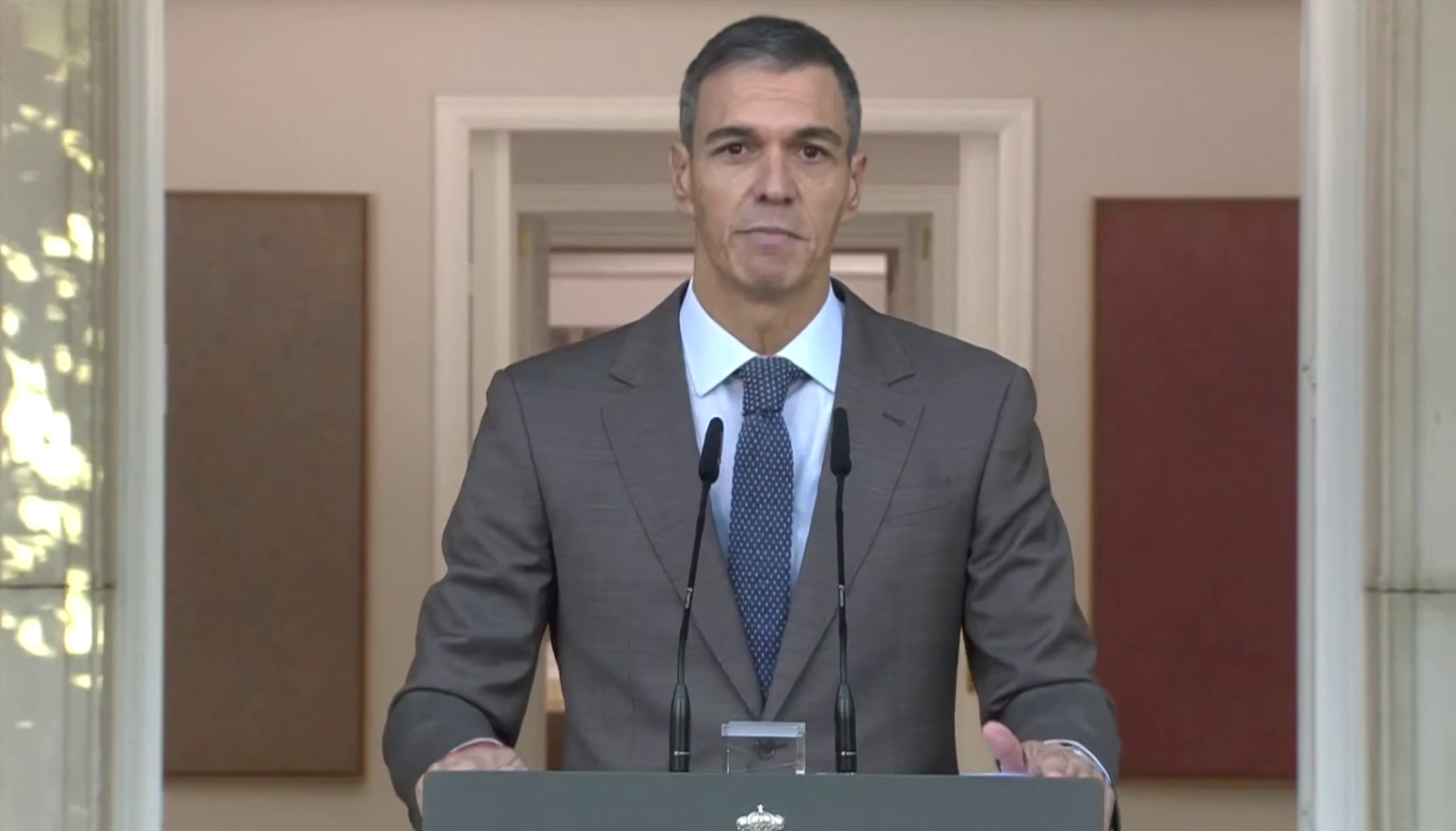
Spanish Prime Minister Pedro Sánchez announced on Monday, 5 October 2026, that a snap general election will be held on 29 November 2026. According to the Spanish government, Sánchez informed King Felipe VI of his intention to bring the parliamentary term to an early close before convening an extraordinary meeting of the Council of Ministers to initiate the dissolution of the Cortes Generales.
The vote will take place approximately eight to nine months earlier than originally planned, as the next general election was due in 2027. The move follows a bruising legislative defeat in the Congress of Deputies, where two government decree-laws relating to affordable housing, tenancy agreement stability, and the social function of housing were rejected.
Political Context and the Housing Crisis
The immediate political backdrop involved a united front against the government's housing initiatives. The conservative People’s Party (PP), Vox, and the Catalan party Junts voted down both decrees. Rent and property prices have soared in Madrid, Barcelona, and coastal cities due to tourism, short-term lets, and housing shortages.
Public anger intensified following the eviction of an 87-year-old disabled woman in Madrid whose rent increased beyond her pension capacity. Demonstrators subsequently camped at Madrid’s Puerta del Sol, with larger protests spreading nationwide. The rejected emergency package sought to enforce automatic rental contract renewals, ban the eviction of vulnerable individuals, freeze rents, and regulate short-term tourist apartments. Opposition parties argued that such market intervention would exacerbate supply issues.
Sánchez acknowledged during his televised address from the Moncloa Palace that his government had made mistakes and failed to achieve everything promised. We need to renew people’s support,
Sánchez said, framing the upcoming ballot as a choice between continuing progressive policies and handing power to a right-wing alternative.
Polling and Parliamentary Landscape
Sánchez has led a minority coalition government alongside the left-wing Sumar party since 2023. Lacking an outright majority, his administration has struggled to pass legislation, failing to secure a national budget since 2023 and relying heavily on regional and smaller parties.
| Political Party | Estimated Polling Support |
|---|---|
| People’s Party (PP) | 32% – 34% (approx. 33.9%) |
| Spanish Socialist Workers' Party (PSOE) | 25.7% – 26% |
| Vox | 18% |
According to political analyst Oriol Bartomeus of the Autonomous University of Barcelona, cited by NPR, Sánchez chose this moment because housing frames the debate on terms favorable to the left. Conversely, opposition leader Alberto Núñez Feijóo of the PP welcomed the election, stating that Spanish voters would finally decide the nation's political future. A PP victory could necessitate support from Vox, marking the first entry of a far-right party into Spain’s national government since the return of democracy following the death of dictator Francisco Franco.
Wider Domestic and International Pressures
Beyond housing, Sánchez’s third term has navigated multiple compounding crises. These include deadly floods in the Valencia region, an unprecedented European blackout, corruption investigations involving his party and family members, and a humanitarian crisis stemming from the arrival of tens of thousands of undocumented migrants in the North African exclave of Ceuta.
Despite these domestic headwinds, Spain has maintained one of the eurozone's strongest major economies, with unemployment falling to its lowest level in nearly two decades and robust tourism figures. Unlike France, where political uncertainty elevated borrowing costs, Spanish shares and government bonds held steady immediately following the election announcement due to the country's robust financial standing.
Internationally, Sánchez has maintained a distinct progressive profile, clashing with trade partners over defense spending targets while maintaining open trade stances and defending multilateral institutions. An electoral defeat would eliminate one of Europe's last remaining left-leaning major governments amid a broader regional shift toward conservative and far-right parties.
Next Steps and Legal Formalities
The formal procedure for dissolving parliament requires cabinet approval following the extraordinary Council of Ministers meeting convened by Sánchez. Campaigning will focus heavily on affordability, inequality, and the looming prospect of a right-wing coalition, with the electorate heading to the polls on 29 November 2026 to determine the direction of Spain's central government.
How significant is this development?
Participate in our community survey on the trajectory and real-world impact of this news.