Hatred In Their Hearts": Trump Blames Immigrants For Unrest In France
US President Donald Trump and Vice President JD Vance blamed immigration and multiculturalism for violent unrest in France as protests sparked widespread arson and looting.
- Headline Dispatch: Hatred In Their Hearts": Trump Blames Immigrants For Unrest In France
- Core Takeaway: US President Donald Trump and Vice President JD Vance blamed immigration and multiculturalism for violent unrest in France as protests sparked widespread arson and looting.
- Source Synthesis: Continuous live monitoring aggregated across major news wires and independent bureaus.
Unrest Grips French Cities Amid Economic Protests
France faced severe instability on Saturday following weeks of demonstrations over soaring food, fuel, and energy prices, alongside mounting anger regarding deteriorating public services and conditions in education. What began as widespread demonstrations mobilized participants nationwide, drawing large crowds into the streets of Paris, Lyon, Marseille, Rennes, Toulouse, Montpellier, and Grenoble. While many demonstrators marched peacefully with French flags and sang the national anthem, gatherings in multiple cities devolved into rioting, arson, and looting.
Protesters set cars and rubbish bins on fire in Paris, where police deployed tear gas and water cannons to disperse violent groups. Authorities closed several metro stations at police request, including locations near the Champs-Elysées, the presidential palace, and government offices. In Lyon, approximately 20,000 demonstrators joined a march where a fire broke out inside a tourist office. In Marseille, shops and a municipal police station suffered damage, and protesters briefly entered the lobby of City Hall.
| Metric / Source | Reported Figures |
|---|---|
| Protest Turnout (Interior Ministry) | 550,000 |
| Protest Turnout (CGT Labour Union) | 800,000 |
| Arrests (Associated Press / Local Reports) | 272 nationwide |
| Arrests (Alternative Reports on Sunday) | Around 1,800 |
Heritage Destroyed and Official Responses
One of the most destructive incidents occurred in Limoges, where a fire heavily damaged the historic municipal building. Inaugurated in 1883 and designated a historic landmark in 1975, the Limoges Town Hall was described as largely lost after flames engulfed the structure. Local prefect Maurice Barate told AFP that the roof collapsed onto lower floors, except the west wing, and two-thirds of the exterior disappeared. Barate termed the fire a deliberate act of arson by hooligans and a catastrophe for heritage.
French Prime Minister Sebastien Lecornu denounced the destruction, stating that the government would not be daunted by those responsible. Lecornu blamed the violence on far-left criminals and warned against efforts to capitalize on the turmoil for partisan advantage ahead of next year’s presidential election. French President Emmanuel Macron likewise condemned the attacks, pledging to bring those responsible for the destruction to justice. Interior Minister Laurent Nuñez’s office reported a growing number of violent incidents, including attacks on police officers, looting, and damage to public buildings, alongside numerous injuries among security and emergency personnel.
US Leadership Connects Violence to Immigration Policies
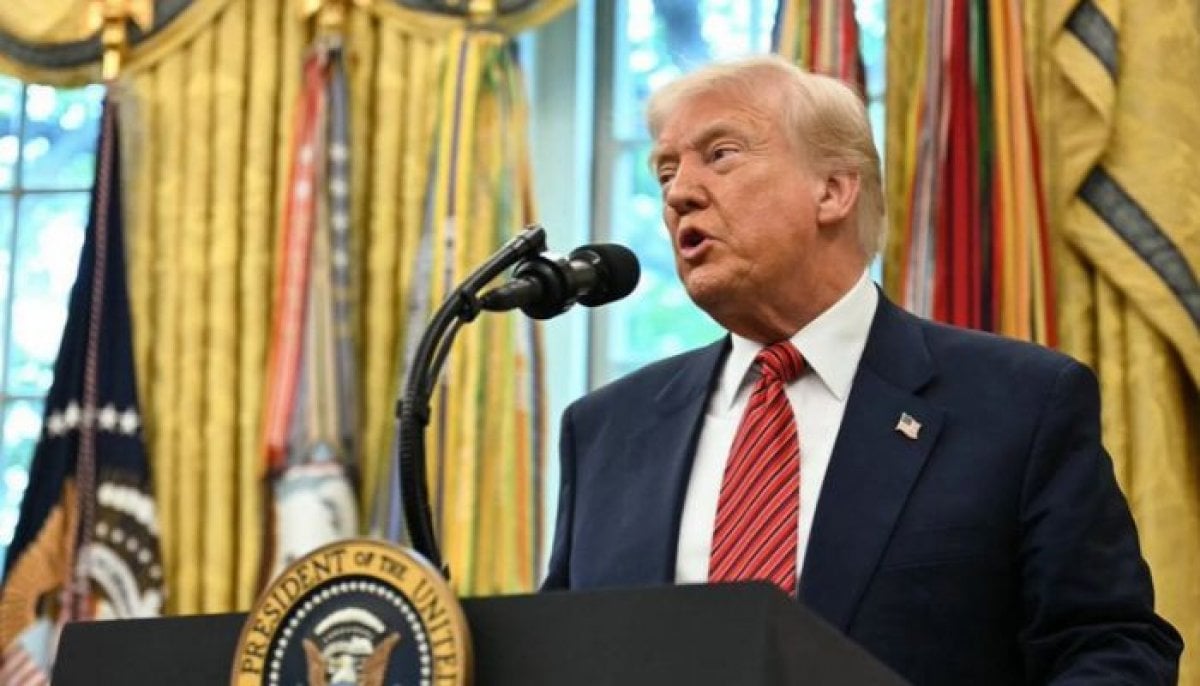
Across the Atlantic, US political figures seized upon the unrest to criticize European migration frameworks. US President Donald Trump wrote on Truth Social on Sunday, claiming that immigration from distinct cultural backgrounds undermined the state.
Trump urged European countries to close their borders and take control before it was too late, also sarcastically describing France earlier as a destination for people seeking a revolution."France is burning! The immigration of people from an entirely different world, people with hatred in their hearts, has shattered that once great country"
Donald Trump, US President, via Truth Social
US Vice President JD Vance echoed these criticisms on X, linking the violence to Western liberal approaches to immigration and multiculturalism. Vance argued that European governments prioritized diversity and compassion without addressing integration and cultural compatibility, while ignoring prior warnings. Vance further connected the developments to American politics, warning US voters that congressional Democrats' approaches could lead to similar outcomes in the United States.
Other international figures also weighed in. Shiv Sena Rajya Sabha MP Milind Deora wrote on X, blaming years of failed migration policies and zero accountability, asserting that Europe needs a strategy rather than open-door wishful thinking.
Despite these statements, available reporting notes that the demonstrations were primarily driven by economic pressures, public service grievances, and the revival of sentiments similar to the yellow vest movement of 2018. Available reports do not establish a direct causal link between immigration and the specific incidents of arson and looting.
Next Steps
As French authorities work to restore public order and assess structural damage, the intense debate surrounding economic policy, public services, and migration is expected to intensify ahead of next year’s presidential election.
How significant is this development?
Participate in our community survey on the trajectory and real-world impact of this news.