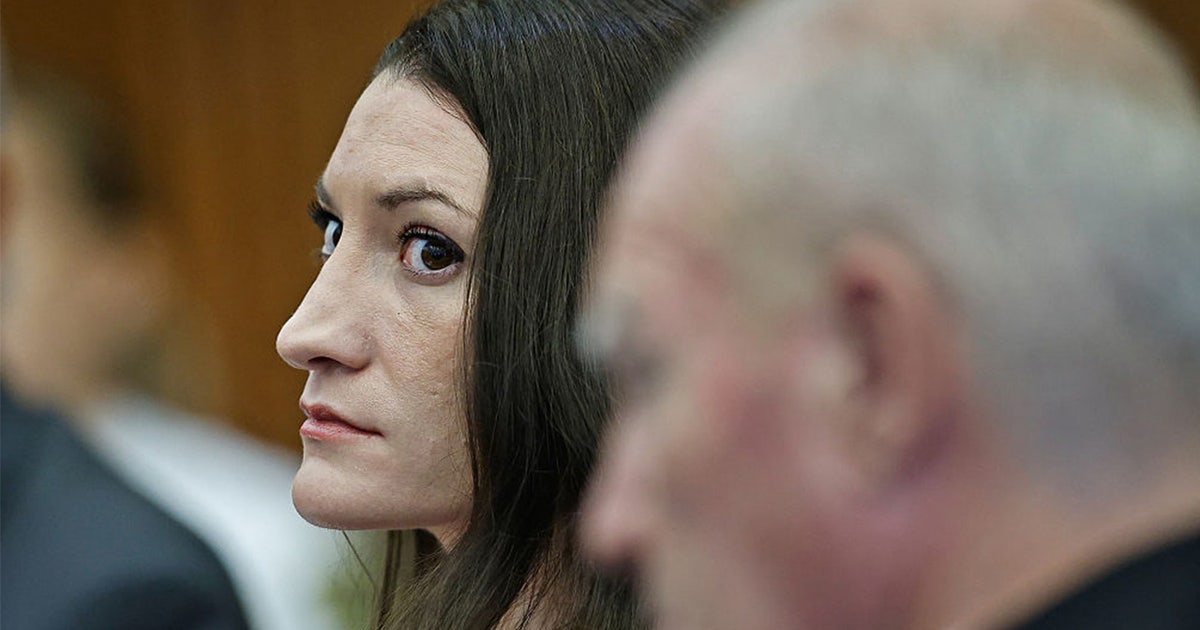
Tennessee death row inmate Christa Pike survives two lethal injections
Tennessee death row inmate Christa Pike remains hospitalized in critical condition after surviving two rounds of lethal injections during a botched execution attempt.
- Headline Dispatch: Tennessee death row inmate Christa Pike survives two lethal injections
- Core Takeaway: Tennessee death row inmate Christa Pike remains hospitalized in critical condition after surviving two rounds of lethal injections during a botched execution attempt.
- Source Synthesis: Continuous live monitoring aggregated across major news wires and independent bureaus.
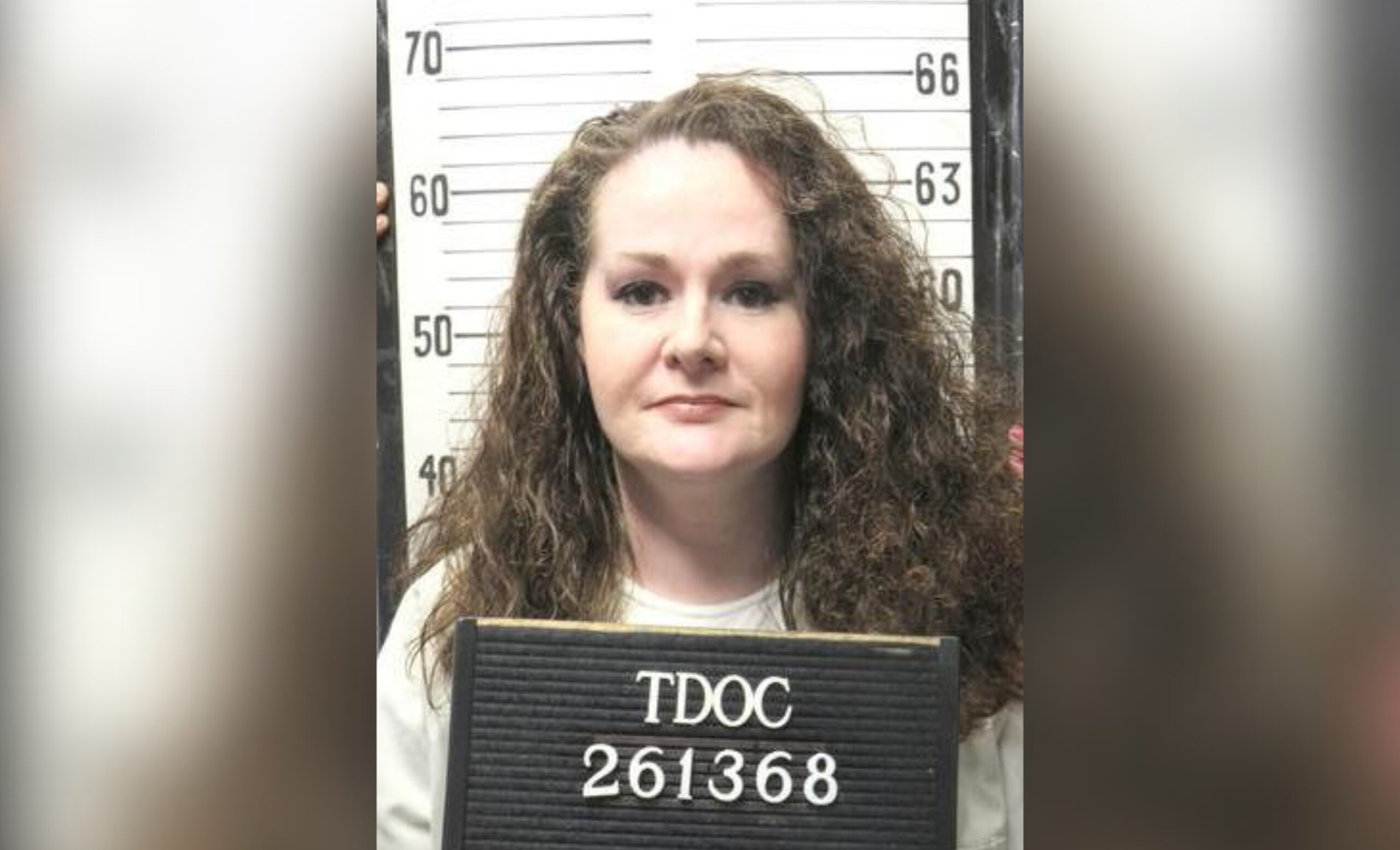
Tennessee death row inmate Christa Pike remains hospitalized in critical condition following a botched execution attempt at the Riverbend Maximum Security Institution in Nashville. The procedure involved two rounds of the lethal drug pentobarbital, neither of which resulted in death. The unexpected outcome prompted sweeping administrative fallout across the state, bringing capital punishment proceedings to an abrupt halt.
Legal Battle and Final Hours on Death Row
Legal challenges preceded the execution attempt on Wednesday, September 30, 2026. A U.S. Court of Appeals issued a temporary stay of execution approximately one hour before the scheduled morning procedure. The appellate court ruling noted that the sexual abuse Pike endured during childhood, along with untreated mental illnesses including bipolar disorder and post-traumatic stress disorder, had not received proper consideration in her legal proceedings. Hours later on Wednesday evening, the U.S. Supreme Court lifted the stay, allowing the state to move forward under the condition that the execution occurred before midnight.
Strapped to the execution gurney, Pike offered final words indicating she was at peace, stating that she was ready to be free and calling it a happy day. Once the curtains opened at 7:27 p.m., according to media witnesses, executioners encountered immediate difficulties establishing intravenous access. Defense attorneys Randy Spivey and Stephen Ferrell stated that execution staff utilized at least seven needles in Pike's left arm over the course of an hour. Witnesses inside the viewing room recounted that Pike remained conscious during the initial attempts, asking prison staff if her arm was supposed to feel that way and attempting to assist by suggesting alternative injection sites higher on her shoulder.
Witness Accounts and Administration of Pentobarbital
Following the initial struggles, the execution team administered the first dose of pentobarbital. Under Tennessee law, a second lethal injection dose is mandated if the inmate is not deceased after the first administration, though the statute lacks instructions on how to proceed if survival persists beyond the second dose. Witnesses reported that a second dose was delivered by 8:26 p.m. Rather than causing death, witnesses observed Pike lifting her head, looking around, and stating that a spot on her arm was burning and hurting. WPLN reporter Catherine Sweeney described the breathing at the end as very ragged. Observers noted that Pike remained conscious and could be heard snoring behind the drawn curtain until the microphone was disabled at 8:53 p.m.
| Event / Phase | Details Reported |
|---|---|
| Initial Legal Stay | Issued by a U.S. Court of Appeals an hour before the morning procedure; overturned Wednesday evening by the U.S. Supreme Court. |
| Execution Chamber Actions | Execution team used at least seven needles in Pike's left arm; inmate remained conscious and questioned staff about burning sensations. |
| Lethal Doses Administered | Two rounds of pentobarbital were delivered, concluding by 8:26 p.m., followed by persistent snoring and ragged breathing. |
| Post-Procedure Status | Pike was transported off-site to a hospital, where she remains in critical condition receiving life-saving medical care. |
Medical Assessments and Expert Warnings
Defense attorneys and medical professionals voiced severe concern over the physical consequences of the failed procedure. Dr. Joel Zivot, an Emory University School of Medicine professor retained as a medical expert by Pike's legal team, warned that the delay in resuscitation efforts and potential drug leakage into surrounding muscle tissue could result in permanent brain injury. Defense counsel emphasized that Pike suffered from a lifelong blood disorder that complicated standard blood draws, a vulnerability they claimed prison officials repeatedly ignored despite her prior requests to utilize alternative execution methods such as a firing squad.
Robin M. Maher, executive director of the Death Penalty Information Center, described the occurrence as singular and unparalleled in modern American history. While prior inmates have survived execution attempts due to total failures in establishing venous access, Maher noted that no inmate in U.S. History had ever survived after the lethal execution drugs were fully administered.
Historical Context of the 1995 Case
Pike has spent decades on death row following her conviction for the 1995 torture and murder of 19-year-old Colleen Slemmer, a fellow student at the Knoxville Job Corps. At the time of the crime, both Pike and Slemmer were 18 years old. Court documents established that Pike, alongside her then-boyfriend Tadaryl Shipp and another individual, lured Slemmer to a wooded area on the University of Tennessee's Agricultural campus on January 12, 1995, where the victim was beaten, stabbed, and bludgeoned. Attackers carved a pentagram into Slemmer's chest, and Pike later carried a fragment of the victim's skull as a keepsake, boasting about the crime to classmates.
While Shipp received a life sentence with the possibility of parole because he was 17 years old at the time of the offense, Pike received a death sentence at age 20, making her the youngest woman sentenced to death in modern U.S. History and Tennessee's sole female death row inmate. In 2004, she received an additional 25-year sentence after attempting to strangle another inmate during a prison altercation. Had the execution succeeded, she would have been the first woman executed in Tennessee in more than two centuries.
State and International Response
In the wake of the failed procedure, Tennessee Governor Bill Lee announced a suspension of all executions in the state for the remainder of the year. Lee called the event deeply disturbing and ordered a comprehensive, third-party review to determine what occurred. Consequently, the scheduled December 3 execution of Gary Wayne Sutton, a 61-year-old convicted murderer, was officially paused.
The Tennessee Department of Correction defended its actions in a formal statement, asserting that personnel followed every step of the state's lawful, established execution protocol approved by the Attorney General's Office and that the chemical used had consistently been effective in past applications. Conversely, defense attorneys characterized the procedure as torture and called on state leadership to commute Pike's death sentence to life imprisonment.
International condemnation followed the incident. On Thursday, October 1, 2026, United Nations High Commissioner for Human Rights Volker Türk called on Tennessee officials to abandon further attempts to execute Pike. The UN human rights office stated via social media that the prolonged physical and mental suffering arising from multiple failed execution attempts is abhorrent and cruel, while emphasizing that key fair trial questions remain unresolved.
Next Steps and Pending Decisions
Uncertainty surrounds the immediate health prognosis of Christa Pike as she continues to receive medical treatment at an off-site hospital. Legal representatives await updates on her condition from medical staff while pressing state courts for permanent relief from capital punishment. Meanwhile, the independent third-party review ordered by Governor Lee will investigate the venous access complications, needle placement, and drug administration protocol. No further execution dates will be scheduled or carried out in Tennessee for the remainder of the year.
How significant is this development?
Participate in our community survey on the trajectory and real-world impact of this news.