Sri Lanka dengue cases rise to 61,060 as Western Province hospitals face pressure
A severe dengue outbreak has pushed Sri Lanka's case count to 61,060, placing immense strain on healthcare facilities, particularly in the Western Province.
- Headline Dispatch: Sri Lanka dengue cases rise to 61,060 as Western Province hospitals face pressure
- Core Takeaway: A severe dengue outbreak has pushed Sri Lanka's case count to 61,060, placing immense strain on healthcare facilities, particularly in the Western Province.
- Source Synthesis: Continuous live monitoring aggregated across major news wires and independent bureaus.
Sri Lanka dengue cases rise to 61,060 as Western Province hospitals face pressure
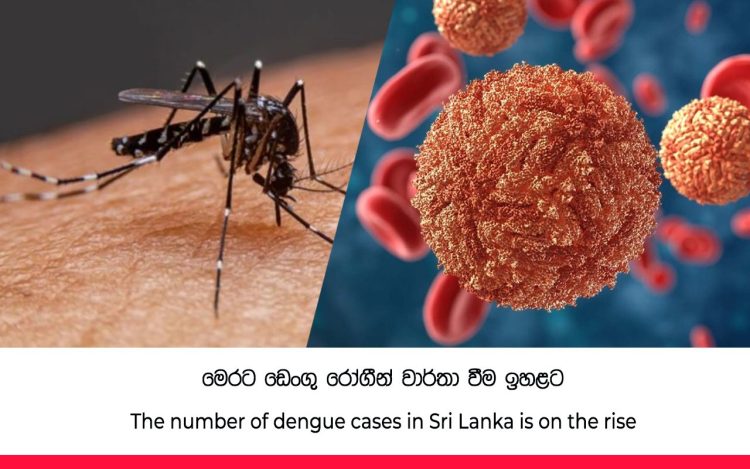
Sri Lanka is battling a severe dengue fever outbreak that has seen cases double compared to the same period last year, according to health authorities. As of Monday, July 6, 2026, the National Dengue Control Unit (NDCU) reported a total of 61,060 cases for the year, including 2,604 new infections in the previous 24 hours.
The crisis has placed immense strain on the healthcare system. Several hospitals in the Western Province have reached maximum capacity, with some facilities improvising additional bed arrangements to manage the influx of patients. The National Teaching Hospital in Kandy, the Infectious Disease Hospital (IDH), the Colombo National Hospital, the Colombo South Teaching Hospital (Kalubowila), and the District General Hospital in Negombo are among the facilities treating the highest number of patients.
Acting Director Dr. Kapila Kannangara stated that the surge in infections has made patient care increasingly difficult and placed severe pressure on hospitals. While authorities have developed a three-phase strategy comprising long-term, medium-term, and short-term measures, emergency short-term interventions are currently the priority. This urgency stems from the pressure on hospitals and the risk that deaths could increase if infections continue to climb.
Geographic Distribution and High-Risk Zones
The Western Province is the epicenter of the outbreak, accounting for 52.5 percent of the national total with 32,054 cases. Within this province, Colombo and Gampaha are the hardest hit districts, recording 12,445 and 12,282 cases respectively; combined, these two districts represent over 40 percent of the total national cases.
Case numbers across other provinces are as follows:
| Province | Case Count |
|---|---|
| Southern | 9,674 |
| Sabaragamuwa | 5,237 |
| Central | 4,823 |
| Eastern | 2,979 |
| North Western | 2,778 |
Beyond the provinces, high-risk districts include Matara with 4,428 cases, Kalutara with 4,092, Kandy with 3,901, and Ratnapura with 3,588. The NDCU has identified 142 Medical Officer of Health (MOH) divisions nationwide as high-risk dengue zones.
Timeline of the Surge
The outbreak accelerated significantly following heavy rains in mid-May 2026 and the onset of the southwest monsoon, which triggered severe local flooding. This environmental shift pushed the island-wide total from 25,082 cases in early May to more than 35,000 by the first week of June.
Monthly data shows a dramatic peak in June, which recorded the highest total for the year with 21,546 infections. The monthly breakdown of cases is as follows:
- January: 7,866
- February: 5,721
- March: 6,013
- April: 5,651
- May: 8,590
- June: 21,546
- July (up to July 5): 5,673
As of the latest surveillance figures, there have been 39 deaths, resulting in a case fatality rate of 0.06%.
Public Health Response and Prevention
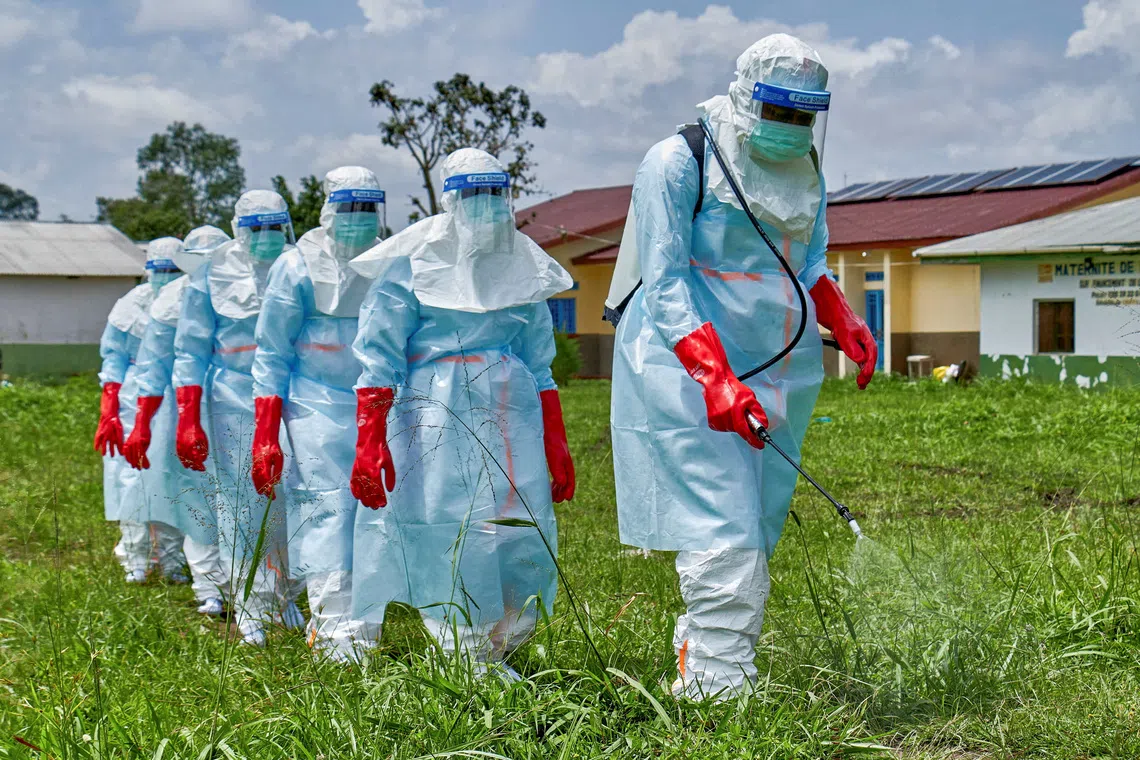
Dengue fever, spread by the Aedes aegypti mosquito, can progress to dengue haemorrhagic fever, which may cause life-threatening complications. In response to the escalating crisis, a three-day nationwide mosquito control campaign was launched on June 8, 2026, covering 72 MOH divisions and 14 districts.
Authorities are issuing red notice
warnings and taking legal action against owners of residential houses, school grounds, construction sites, and public premises that are maintained carelessly, allowing mosquitoes to breed.
Health officials emphasize that fumigation alone cannot stop the spread and are urging community participation in eliminating breeding sites. Residents are advised not to delay hospital visits at the first sign of symptoms, as early intervention improves patient outcomes. Moving forward, health professionals are calling for increased public awareness, stronger vector control, and more resources for hospitals as the country continues through the high-risk season.
How significant is this development?
Participate in our community survey on the trajectory and real-world impact of this news.