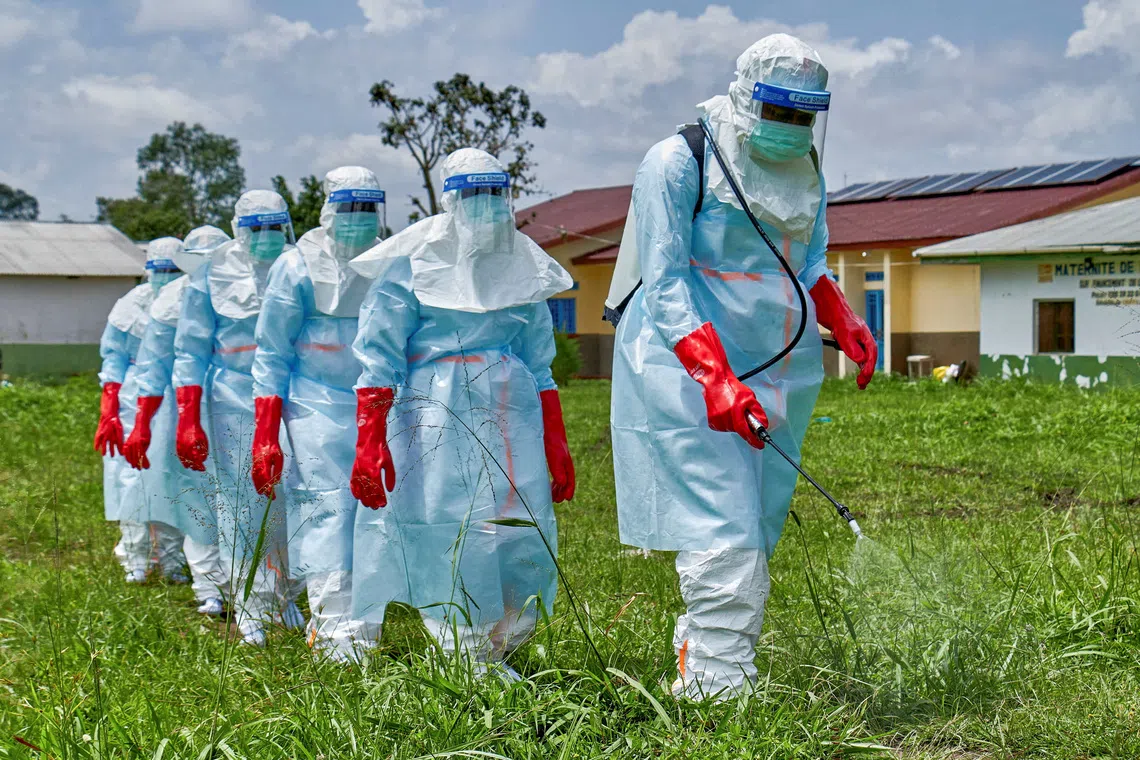
WHO declares end to hantavirus outbreak linked to cruise ship MV Hondius
WHO declares end to hantavirus outbreak linked to cruise ship MV Hondius
- Headline Dispatch: WHO declares end to hantavirus outbreak linked to cruise ship MV Hondius
- Core Takeaway: WHO declares end to hantavirus outbreak linked to cruise ship MV Hondius
- Source Synthesis: Continuous live monitoring aggregated across major news wires and independent bureaus.

WHO declares end to hantavirus outbreak linked to cruise ship MV Hondius
The World Health Organization declared on Thursday that the hantavirus outbreak linked to the cruise ship MV Hondius has ended. The announcement followed the completion of the quarantine period and a negative test result for the final identified contact of an exposed person.
The outbreak involved the Andes virus, a rare strain typically found in Chile and Argentina. While hantaviruses are generally spread when humans inhale particles from rodent urine, droppings, or saliva, or touch contaminated objects, the Andes strain is the only type known to transmit between humans. Experts believe this specific outbreak involved human-to-human transmission between individuals in close contact.
A total of 13 people were infected — 12 confirmed and one probable case — and three people died. According to the WHO, at least two of those deaths were confirmed. All cases were either crew members or passengers.
The Dutch-flagged polar exploration ship departed from Ushuaia, Argentina, on April 1. Its itinerary included remote islands in the South Atlantic Ocean, such as Tristan da Cunha, before it sailed north toward Tenerife in Spain's Canary Islands. The WHO received notification of a cluster of severe acute respiratory illness
aboard the ship on May 2, which included one critically ill passenger and two deaths.
The WHO's working hypothesis is that the first case was infected while on land before boarding the vessel. The first two cases were reported to have traveled on a bird-watching trip through Uruguay, Chile, and Argentina, visiting sites where the species of rat that carries the virus is present.
Health authorities in 33 countries and territories followed up with more than 650 identified contacts. Because symptoms can appear between two to four weeks after exposure, and sometimes more than a month later, the recommended monitoring and quarantine period was 42 days.
The impact reached several nations:
- Canada: Four Canadians were on board and completed self-isolation upon returning home on May 10. One traveler from Yukon tested positive but recovered.
- United States: 18 American passengers who were exposed to the virus completed their quarantine last week.
- Spain: Passengers disembarked in Tenerife in May before flying home.
The MV Hondius eventually docked in Rotterdam harbor in the Netherlands on May 18. No further cases have been reported since May 25.
Despite the end of the outbreak, health officials warn that the virus remains a public health risk in endemic areas and South America.
"What we need to continue doing is to keep monitoring this virus, keep preparing for further spread."
Dr Diana Rojas Alverez, WHO medical officer, via BBC
To prevent future outbreaks, the WHO is coordinating a study involving 21 countries to understand how the disease develops. Director-General Dr. Tedros Adhanom Ghebreyesus said this research will support the creation of vaccines, therapeutics, and diagnostics.
How significant is this development?
Participate in our community survey on the trajectory and real-world impact of this news.