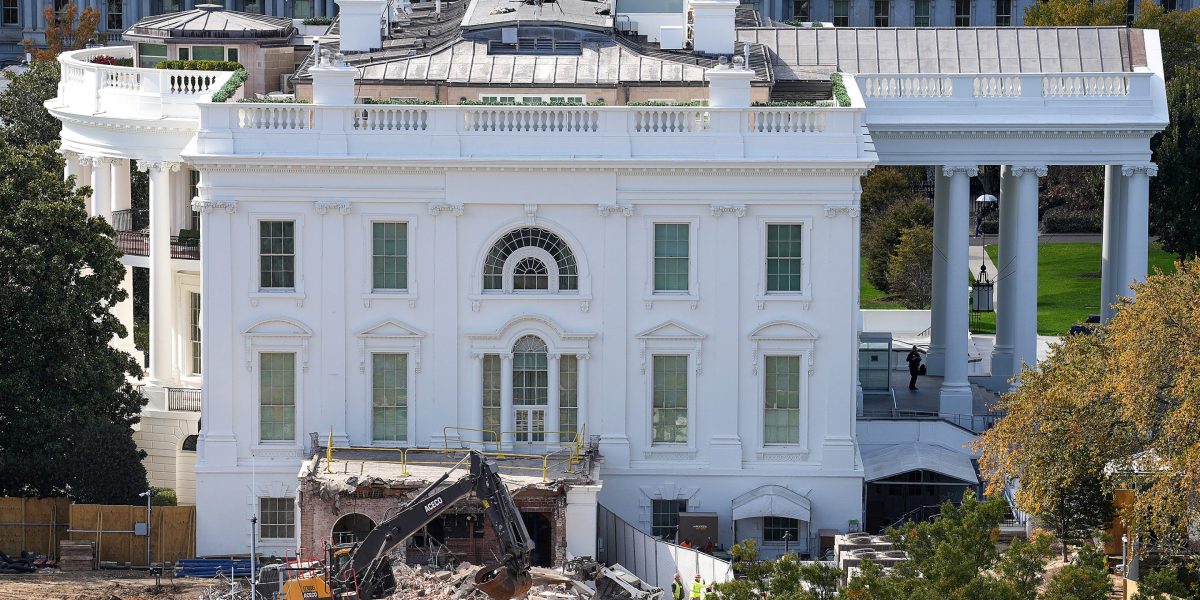
The White House has confirmed the list of donors funding the Trump administration’s ambitious $300 million ballroom construction project, which began this week with the historic demolition of the White House’s East Wing. This 90,000-square-foot expansion represents the largest structural overhaul of the White House in over a century, transforming the site of the former East Wing into a grand ballroom intended for official functions and events.
President Donald Trump has repeatedly emphasized that the project will be financed entirely through private donations and his own contributions, asserting no taxpayer funds will be used. Official documents released by the White House and reviewed by industry observers reveal 37 donors footing the bill, including some of the largest technology firms, major defense contractors, and prominent Republican-affiliated philanthropists.
Corporate Contributors Backing the Ballroom
The donor list features high-profile companies with extensive ties to federal government projects and policy influence. Meta Platforms, led by CEO Mark Zuckerberg, is among the principal donors. Zuckerberg recently pledged over $600 billion in U.S. investments by 2028 and frequently participates in government forums on digital policy and artificial intelligence regulation.
Apple, under CEO Tim Cook, has announced a $100 billion investment initiative focused on domestic manufacturing, aligning closely with the administration’s industrial reshoring goals. Cook also attended a White House dinner for tech executives in September celebrating these commitments.
Amazon is another major contributor, leveraging its substantial Pentagon contracts and expanding lobbying efforts under the current administration. Google’s parent company, Alphabet, allocated $22 million from a $24.5 million settlement over Trump’s YouTube ban toward the ballroom’s funding, signaling a complex relationship between corporate interests and the White House.
Lockheed Martin is reportedly contributing upwards of $10 million. As the foremost defense contractor with $33.4 billion in awarded federal contracts in 2025 alone, the company praised the opportunity to support a “powerful symbol of American ideals” represented by the project.
Other notable corporate donors include Microsoft, Comcast, Altria, Coinbase, Palantir Technologies, T-Mobile, and various blockchain and fintech companies such as Ripple and Tether America.
Private and Family Donors
Private philanthropy plays a significant role in funding the ballroom. The Adelson Family Foundation, led by Miriam Adelson, continues her late husband’s legacy as major GOP donors. The Glazer family, owners of the NFL’s Tampa Bay Buccaneers and Manchester United soccer club, have also contributed, reinforcing connections between political donations and influential business figures.
Other individual donors include former Marvel Entertainment CEO Isaac Perlmutter and his wife Laura, hedge fund billionaire Stephen Schwarzman, and the Winklevoss twins, Cameron and Tyler, prominent cryptocurrency investors and political contributors dedicated to crypto regulation reform.
Some donors, such as Stefan E. Brodie, a convicted violator of U.S. sanctions on Cuba, have controversial histories, though the White House has not indicated such backgrounds influenced their acceptance of funds.
Significance and Concerns
The project has drawn mixed reactions from members of Congress and outside observers. Critics like Representative Jamie Raskin describe the initiative as a lavish vanity project benefiting billionaires and corporate donors. Supporters argue that privately funding this expansion preserves taxpayer resources and enhances the White House’s capacity for official state events.
White House Press Secretary Karoline Leavitt responded to conflict of interest concerns by stating, “The same critics who are wrongly claiming there are conflicts of interests, would complain if taxpayers were footing the bill.” This underscores the administration’s position that these donations represent voluntary contributions from “great American companies and generous individuals.”
This development is emblematic of broader trends in U.S. politics where private sector interests increasingly intersect with government actions through financial support. The project marks a rare symbolic and physical transformation of the White House, reflecting both Trump’s political priorities and notable corporate patronage.
For readers seeking ongoing coverage and analysis of political developments and government infrastructure, read more on Globally Pulse News.
Further details on funding transparency and donor influence can be found in reporting by Reuters, which contextualizes the project within the evolving landscape of White House renovations and governance.
