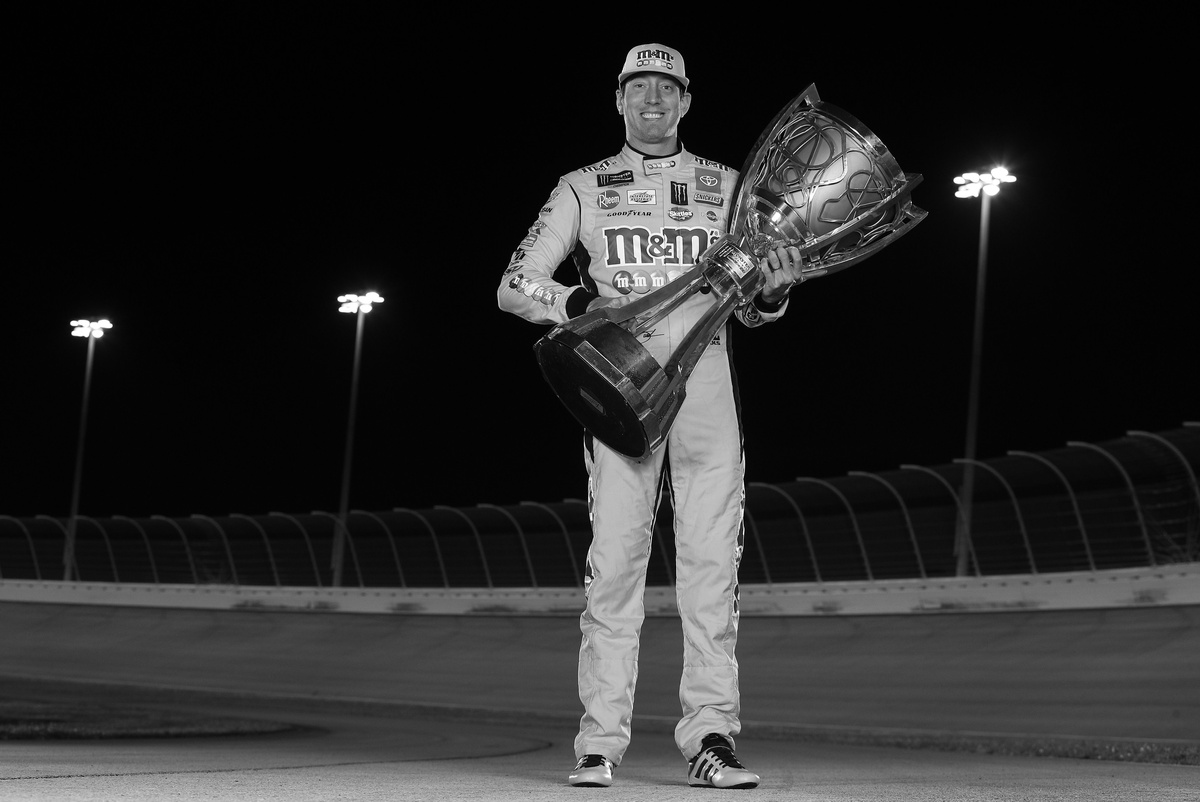
Kyle Busch, the two-time NASCAR Cup Series champion and one of the sport’s most dominant drivers with 234 wins across all three national series, has died at 41 after battling an undisclosed illness. His death—announced Friday, May 22, 2026—stunned the motorsports world, where he was still racing just last weekend, securing his 69th Truck Series victory at Dover Motor Speedway. The outpouring of tributes from peers like Dale Earnhardt Jr. and Jeff Gordon underscores not just his racing prowess, but the personal bonds he forged in a sport built on rivalry. With his No. 8 Chevrolet poised for the future and his family—wife Samantha, son Brexton (11, also a racer), and daughter Lennix (4)—now facing an unimaginable void, Busch’s legacy shifts from competitor to icon, his final win hauntingly prescient in its timing.
From Champion to Champion: The Numbers Behind Busch’s Unmatched Legacy
Busch wasn’t just a winner—he was a statistical anomaly. His 234 victories across NASCAR’s Cup, Xfinity, and Truck Series rank him among the top 10 all-time in Cup history, a tier shared only by legends like Richard Petty and Dale Earnhardt. What sets him apart is his dominance across all three series: no driver has matched his 762 career starts or his ability to excel in trucks, Xfinity, and the premier Cup Series. His last win, in 2023, came during his first season at Richard Childress Racing (RCR), a team that now faces an existential question: How do they honor a driver who was, as RCR put it, “an integral part of our organization”?
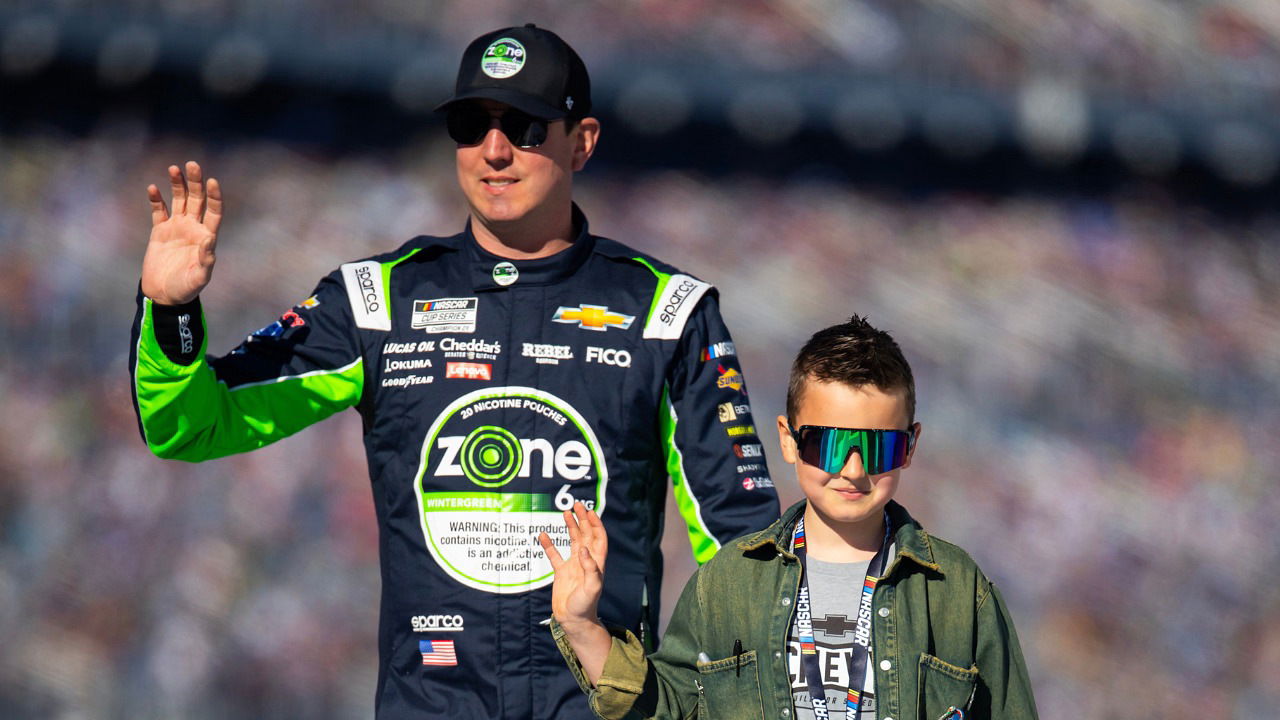
That final victory at Dover wasn’t just a race—it was a statement. Busch told reporters afterward, “because you never know when the last one is.” The words now echo with tragic irony. His 2015 and 2019 Cup championships cemented his place in history, but his impact extended beyond trophies. Busch was a Las Vegas native who grew up in the sport, a two-time Truck Series champion (2004, 2005), and a mentor to younger drivers like his son, Brexton, who already races in the ARCA series. His ability to transition between series—winning in trucks while competing at the highest level in Cup—made him uniquely versatile.
Yet for all his success, Busch’s story was never just about stats. His rivalry with Dale Earnhardt Jr.—once “challenging” but later repaired—highlighted the sport’s human side. Earnhardt Jr. recalled how Busch “instigated a conversation” to mend their relationship, even joking about their fans cheering together. That reconciliation, planned for a race in Wilkesboro this summer, now feels like a cruel footnote. Busch’s death forces NASCAR to confront not just the loss of a driver, but the fragility of life in a sport where legends are made in their 20s and 30s.
The Last Race: How Busch’s Hospitalization Foreshadowed the Unthinkable
The end came swiftly. Just four days ago, Busch was hospitalized with a “severe illness,” sidelining him from the Charlotte Motor Speedway race this weekend. His family’s statement—“We ask for understanding and privacy as our family navigates this situation”—was vague, but the gravity was unmistakable. RCR, his team, responded with urgency: “Kyle Busch’s health is our upmost priority and he and his family have the full resources of RCR behind them.” They deployed Austin Hill to drive his No. 8 Chevrolet in his absence, a move that underscored how deeply Busch was woven into the team’s fabric.
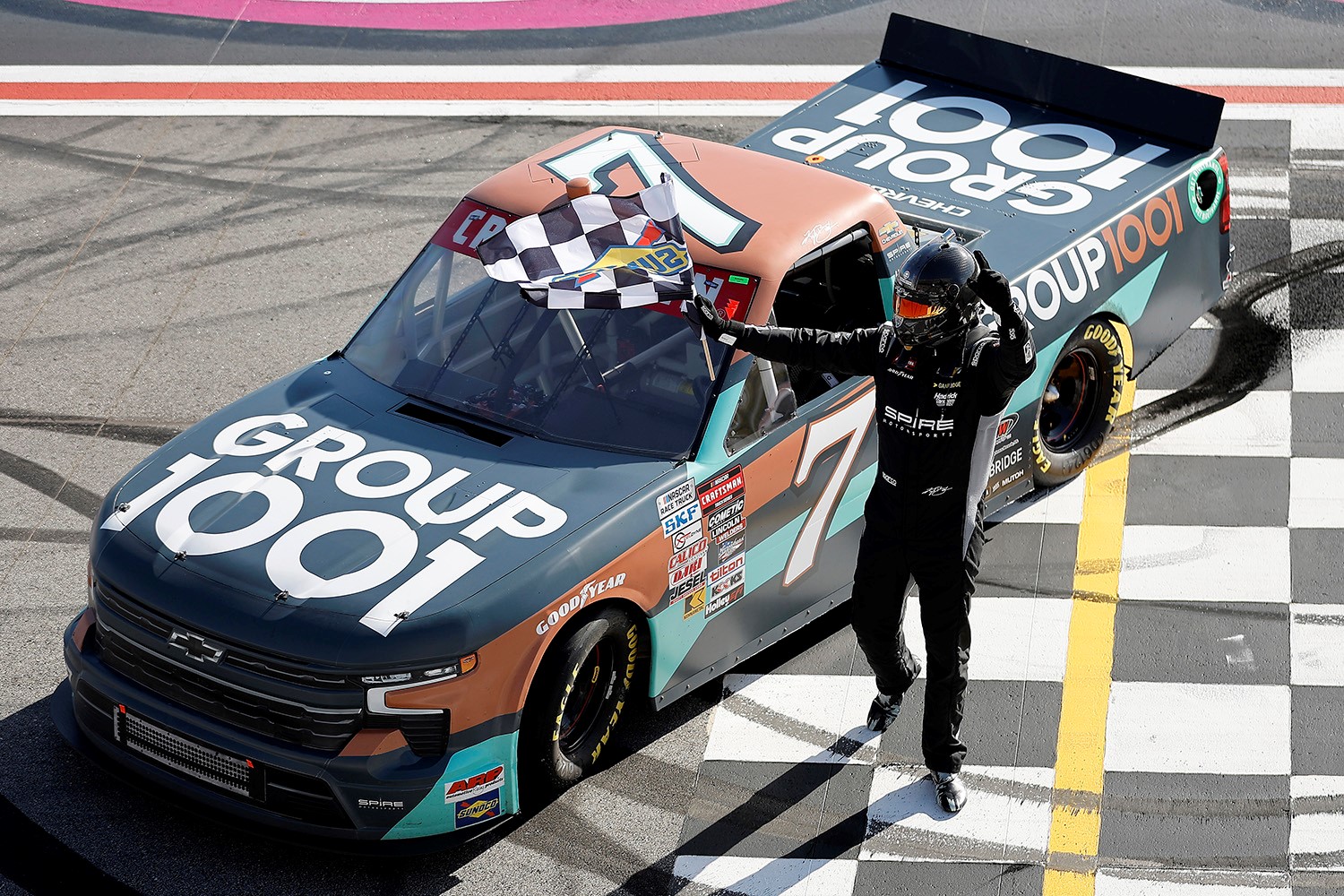
What happened between that hospitalization and his death remains unclear. NASCAR’s silence on the cause—whether illness, accident, or another factor—has fueled speculation, but the sport’s culture demands respect for privacy. Still, the timeline is jarring: Busch was racing last weekend, winning at Dover, and now he’s gone. The contrast between his 24th-place standing in the 2026 Cup Series (with just two top-10 finishes in 12 races) and his historical dominance raises questions. Was this a sudden decline, or had his body been failing for years? The answers may never be public.
One detail stands out: Busch’s 2023 win was his first with RCR, a team he joined after stints with Joe Gibbs Racing. His transition to RCR had been rocky—his last Cup win was nearly three years ago—but his Truck Series success suggested he could still deliver. Now, that potential is extinguished. The question for RCR isn’t just how to replace Busch, but how to honor him. His No. 8 car, a symbol of his rivalry with Jimmie Johnson (who also drove the number), will need a new identity. And for fans, the void is immediate: Busch’s Las Vegas roots and his ability to connect with audiences made him more than a driver—he was a cultural figure.
The Tributes: What Busch’s Peers Say About the Man Behind the Helmet
The reactions from Busch’s peers reveal a man who was both fiercely competitive and deeply loved. Jeff Gordon, a three-time Cup champion and Busch’s former teammate, called his death “a devastating loss” and praised his “passion and intensity.” But Gordon also highlighted Busch’s family-first values, noting how proud he was of his wife, Samantha, and children. That duality—champion on the track, devoted father off it—defined Busch’s legacy.
Others were left speechless. Denny Hamlin wrote simply, “Absolutely cannot comprehend this news. We just need to think of his family during this time.” Brad Keselowski echoed the shock: “Absolute shock. Very hard to process. Hug your loved ones.” Even rivals like Mark Martin and Ricky Stenhouse Jr. struggled for words, a testament to Busch’s universal respect in the sport.
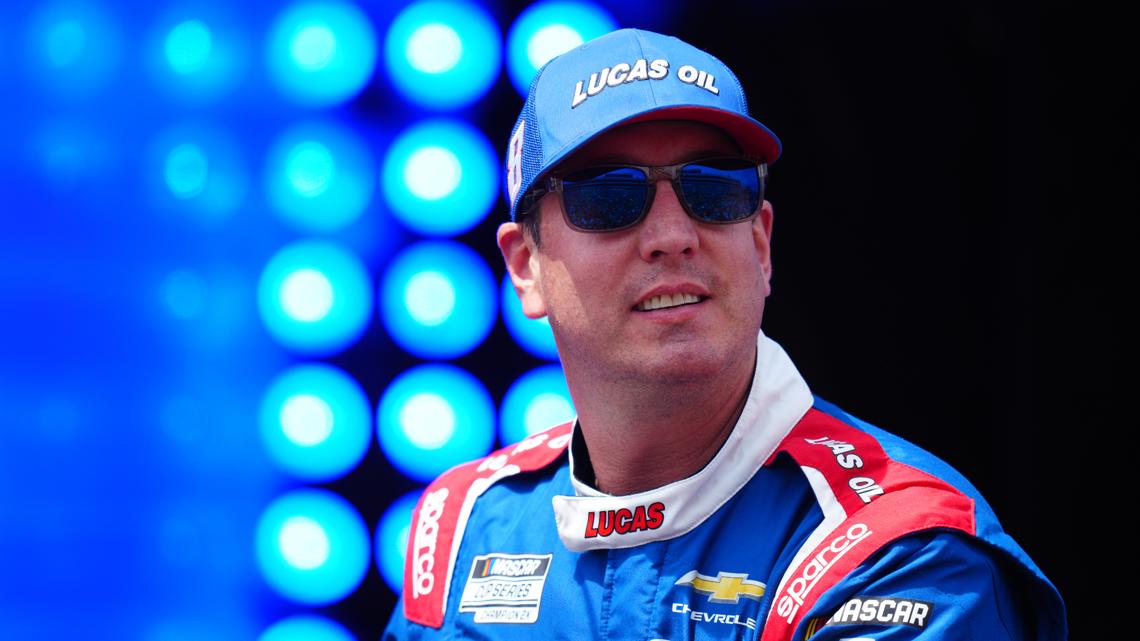
Earnhardt Jr.’s tribute was the most personal. He recalled how Busch had initiated the reconciliation between them, even planning to meet in person next week to finalize details for Wilkesboro. The unfulfilled plans now feel like a final irony: Busch, who once said “we had planned to meet up next Thursday to get his seat to the shop,” will never sit in a car again. His death forces NASCAR to confront its own mortality—a sport where drivers push physical limits, and where legends often leave too soon.
What Comes Next? The Uncertain Future for Busch’s Family and the Sport
For Busch’s family, the immediate future is one of grief and uncertainty. Samantha, Brexton, and Lennix will inherit not just a racing legacy, but a financial one: Busch’s career earnings (estimated in the tens of millions) and his connections in NASCAR will likely secure their future. Yet no amount of money can replace a father. Brexton, already racing in ARCA, may now face pressure to follow in his father’s footsteps—though the sport’s physical toll makes that path fraught.
For NASCAR, the questions are practical and emotional. RCR will need to decide whether to retire Busch’s No. 8 car or reassign it. Fans will debate whether he deserves a posthumous induction into the NASCAR Hall of Fame (he’s not yet eligible, but his peers may push for an exception). And the sport will grapple with the age gap: Busch was 41, older than most Cup champions, raising questions about how long drivers can compete at the highest level.
One certainty is that Busch’s death will accelerate conversations about driver health and safety. NASCAR has long faced scrutiny over its lack of a mandatory retirement age or stricter medical protocols. Busch’s case—where a severe illness derailed his career in weeks—highlights the risks. His final words, “because you never know when the last one is,” now serve as a warning: in motorsports, the finish line can come at any time.
The next 30 days will be critical. Busch’s funeral will be private, but NASCAR is expected to hold a memorial event at a future race. His peers will likely wear black armbands or display tributes on their cars. And for fans, the void will be immediate: Busch wasn’t just a driver—he was a storyteller, a showman, and a bridge between eras. His death leaves NASCAR with a choice: Will they honor his legacy by pushing for safer conditions, or will they let his story become just another footnote in a sport that moves too fast to stop?
*Sources: Motorsport.com, <a href="https://www.wcnc.
<!– /wp:paragraph His passing forces NASCAR to confront the human cost of racing’s relentless pace and the urgent need for reforms.