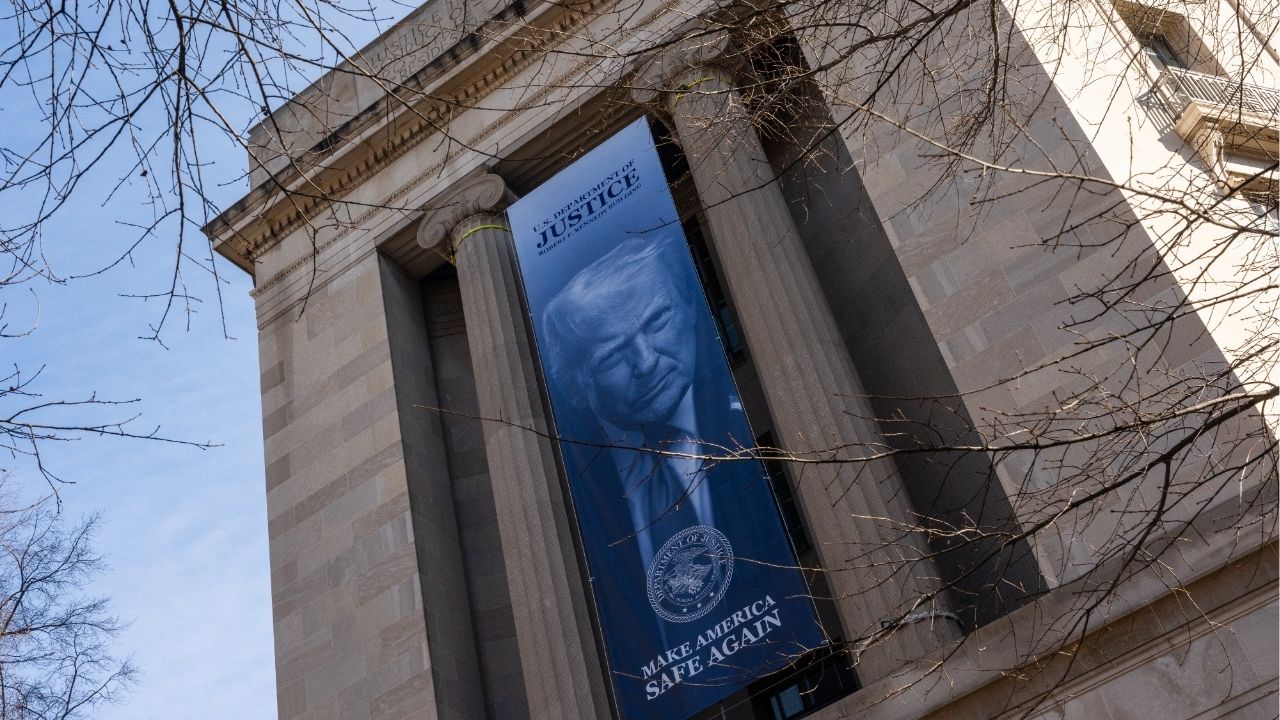
The Justice Department charged 15 individuals on May 21, 2026, with defrauding Minnesota Medicaid and other state social service programs of over $90 million—including two autism therapy providers accused of submitting $46.6 million in fraudulent claims.
This unprecedented crackdown—announced alongside federal raids and sentencing of a fraud mastermind—exposes systemic vulnerabilities in Minnesota’s autism therapy network, where kickbacks, fake diagnoses, and Medicaid billing schemes have flourished for years. The case raises urgent questions about oversight, racial disparities in enforcement, and whether the state’s generous safety-net programs are now a magnet for organized fraud.
The $90 Million Scheme: How Fraud Became a Vortex
Federal prosecutors unveiled a sprawling conspiracy on Thursday, detailing how 15 defendants—including clinic owners, employees, and service providers—exploited Minnesota’s Medicaid system to siphon tens of millions from programs designed to support children with autism and disabled adults. The largest single haul came from two unnamed therapy providers, who allegedly submitted $46.6 million in fraudulent claims, according to the Justice Department. Other defendants faced charges for falsifying claims related to housing assistance and independent living services, with total losses exceeding $90 million across multiple state programs.
The scale of the fraud is staggering. In 2022, Minnesota became a national flashpoint after federal prosecutors uncovered hundreds of millions in theft from a COVID-era child nutrition program. The current case dwarfs even that scandal, with officials describing the autism therapy network as a “vortex of fraud.” The charges coincide with the sentencing of Aimee Bock, the mastermind behind the 2022 meals program fraud, who was handed a 41-year prison sentence by Judge Nancy E. Brasel. “This was a vortex of fraud and you were its epicenter,” Brasel declared in court, echoing the language now being used to describe the autism therapy providers.
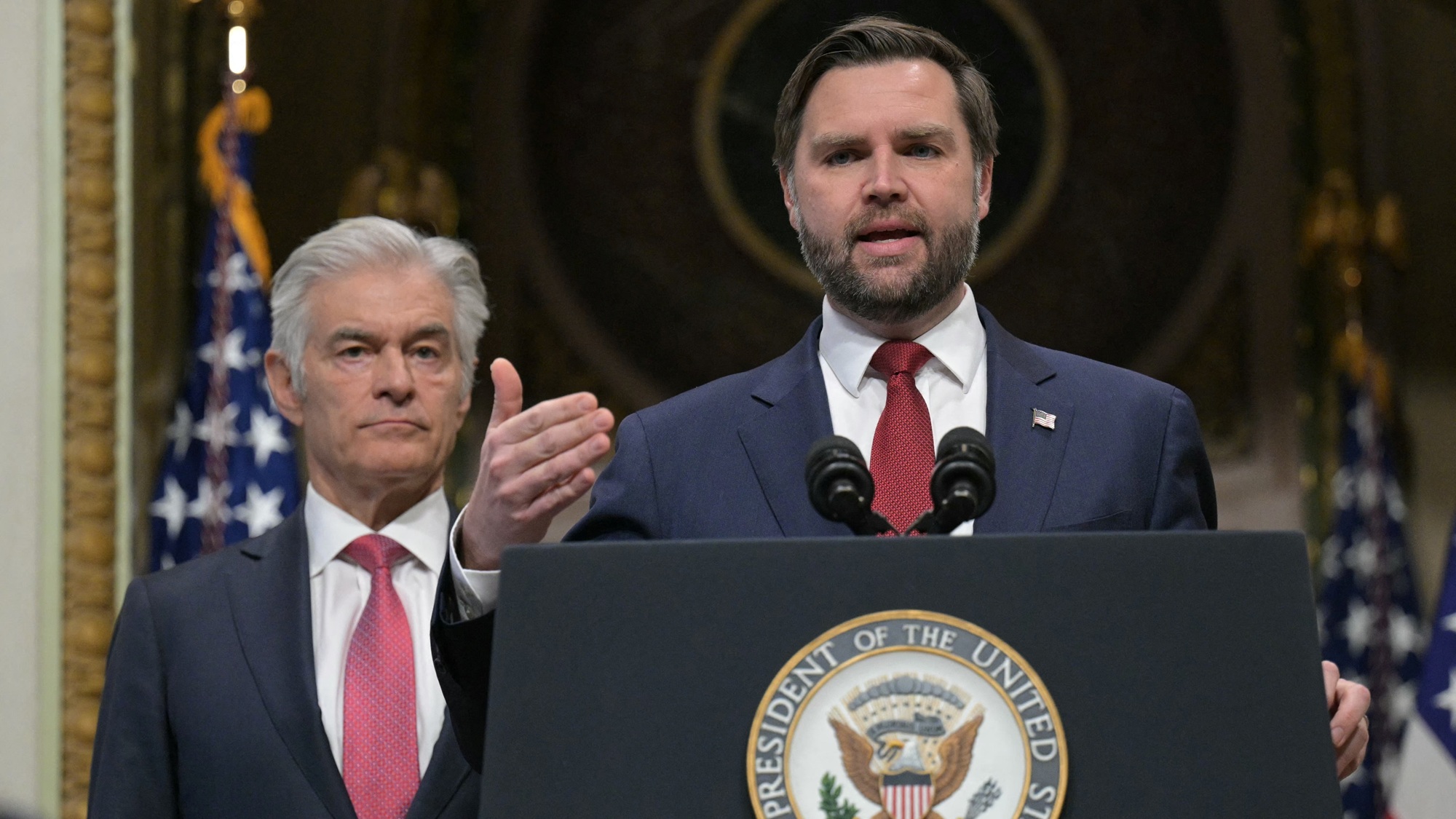
“The fraud here in Minnesota is shocking.”
McDonald, overseeing the administration’s crackdown on Medicaid fraud, framed the case as part of a broader pattern. Since President Donald Trump first spotlighted Minnesota’s fraud issues last year—amplifying concerns through conservative media and federal raids—the state has become a battleground for federal oversight. The operation, which also targeted illegal immigration, sparked protests and led to the resignation of several experienced fraud prosecutors, further complicating investigations. Meanwhile, Vice President JD Vance has escalated the federal response, announcing plans to withhold $1.3 billion in federal payments from California over its own Medicaid fraud failures.
The Autism Therapy Loophole: Fake Diagnoses and Kickbacks
The two autism therapy providers at the center of the $46.6 million scheme allegedly used a playbook familiar to fraud investigators: fake diagnoses, inflated billing, and kickbacks to parents. While the Justice Department has not yet released details on the specific therapies involved, past cases in Minnesota suggest a pattern of clinics exploiting the state’s generous Medicaid reimbursement rates. Autism therapy—including applied behavior analysis (ABA), speech therapy, and occupational therapy—is a high-cost service with significant room for abuse, particularly when providers are paid per session or per hour without strict oversight.

One red flag highlighted in previous investigations is the ownership structure of these clinics. Many fraudulent schemes involve providers who operate multiple centers under different names, making it difficult for state auditors to track billing patterns. The Justice Department’s filing does not specify whether the two providers in this case were part of a larger network, but the $46.6 million figure alone suggests a highly organized operation. “The fraud here is not just about individual bad actors—it’s about systemic failures in how these programs are monitored,” said a source familiar with the investigation.
What makes this case particularly troubling is the involvement of parents. In some Medicaid fraud schemes, providers have been accused of paying parents to enroll their children in unnecessary therapies, then billing Medicaid for services that were never rendered. The Justice Department’s announcement did not confirm whether such tactics were used in this instance, but the presence of kickbacks in the charges suggests a similar dynamic may have been at play.
Racial Disparities and the Politics of Fraud Enforcement
The timing of this crackdown cannot be separated from the racial politics surrounding fraud enforcement in Minnesota. As the Justice Department has acknowledged, the vast majority of individuals charged in recent fraud cases—including the 2022 child nutrition scandal and the current autism therapy probe—are of Somali ancestry. President Trump has repeatedly highlighted this demographic in public statements, framing it as evidence of “widespread abuse” within immigrant communities. While the data on fraud rates by ethnicity is limited, the disproportionate targeting has raised concerns about racial bias in enforcement.
Civil rights advocates argue that the focus on Somali-owned businesses may reflect broader patterns of economic marginalization rather than higher fraud rates. “When you have communities that are disproportionately poor, they are also disproportionately targeted for audits and investigations,” said a source with knowledge of the state’s Medicaid oversight. “The question is whether this is about addressing fraud or about scapegoating a specific community.”
The racial angle adds another layer to the case. While the Justice Department has not released demographic details about the 15 defendants, the historical context suggests that at least some of those charged may be Somali. If so, this case could further inflame tensions in Minnesota, where debates over immigration, policing, and social services have already led to violent clashes. The federal raids that accompanied the charges—including the controversial operation targeting illegal immigration earlier this year—have left some communities wary of government overreach.
What Comes Next: Audits, Lawsuits, and Systemic Reform
The fallout from this case will extend far beyond the courtroom. Minnesota’s Medicaid program, which serves nearly 1.3 million residents, is now under intense scrutiny. The Justice Department’s announcement signals that federal auditors will be scrutinizing autism therapy providers across the state, with potential civil lawsuits looming for those found to have engaged in fraudulent billing. Parents of children with autism may also face difficult choices: some legitimate providers could be forced to close if they cannot navigate the audits, leaving families without access to critical services.

In the immediate term, the Minnesota Department of Human Services will likely accelerate its own audits of autism therapy clinics. The state has already faced criticism for slow responses to fraud alerts, and the federal crackdown may force faster action. Meanwhile, legislative bodies could introduce stricter oversight measures, such as mandatory third-party audits for high-volume providers or limits on how often a child can be enrolled in therapy services.
Longer-term, the case raises questions about whether Minnesota’s Medicaid system is inherently vulnerable to fraud. The state’s generous benefits—including high reimbursement rates for autism therapies—have long been a target for exploitation. Without deeper reforms to billing transparency, provider licensing, and parent education, similar schemes could emerge in other states with comparable programs.
The Bigger Picture: Medicaid Fraud as a National Crisis
Minnesota’s autism therapy fraud is not an isolated incident. Medicaid fraud has become a national epidemic, with the federal government estimating that $90 billion was lost to fraud in 2024 alone. The Biden administration has made combating Medicaid fraud a priority, but the challenges are immense. States vary widely in their oversight capabilities, and fraudsters often exploit gaps in interstate data sharing.
The Justice Department’s aggressive approach—including the use of federal raids and high-profile prosecutions—sends a clear message: Medicaid fraud will not be tolerated. However, the success of these efforts depends on more than just criminal charges. It requires state-level reforms, better data analytics to detect anomalies, and a commitment to rooting out fraud without disproportionately targeting specific communities.
For families in Minnesota, the immediate impact may be mixed. While the crackdown could lead to better oversight and reduced fraud, it also risks disrupting access to legitimate services. The autism therapy providers at the center of this case may have included both fraudulent actors and well-intentioned clinicians struggling under an unsustainable system. The challenge now is to separate the two without leaving vulnerable children without care.
One thing is certain: this case will not be the last. As long as Medicaid remains a critical lifeline for millions—and as long as fraudsters see it as an easy target—the battle to protect these programs will continue.
