Andy Burnham caps English bus fares at £2 from January
A new national bus fare cap of £2 will be introduced in January as part of a broader strategy to provide financial relief to voters.
- Headline Dispatch: Andy Burnham caps English bus fares at £2 from January
- Core Takeaway: A new national bus fare cap of £2 will be introduced in January as part of a broader strategy to provide financial relief to voters.
- Source Synthesis: Continuous live monitoring aggregated across major news wires and independent bureaus.
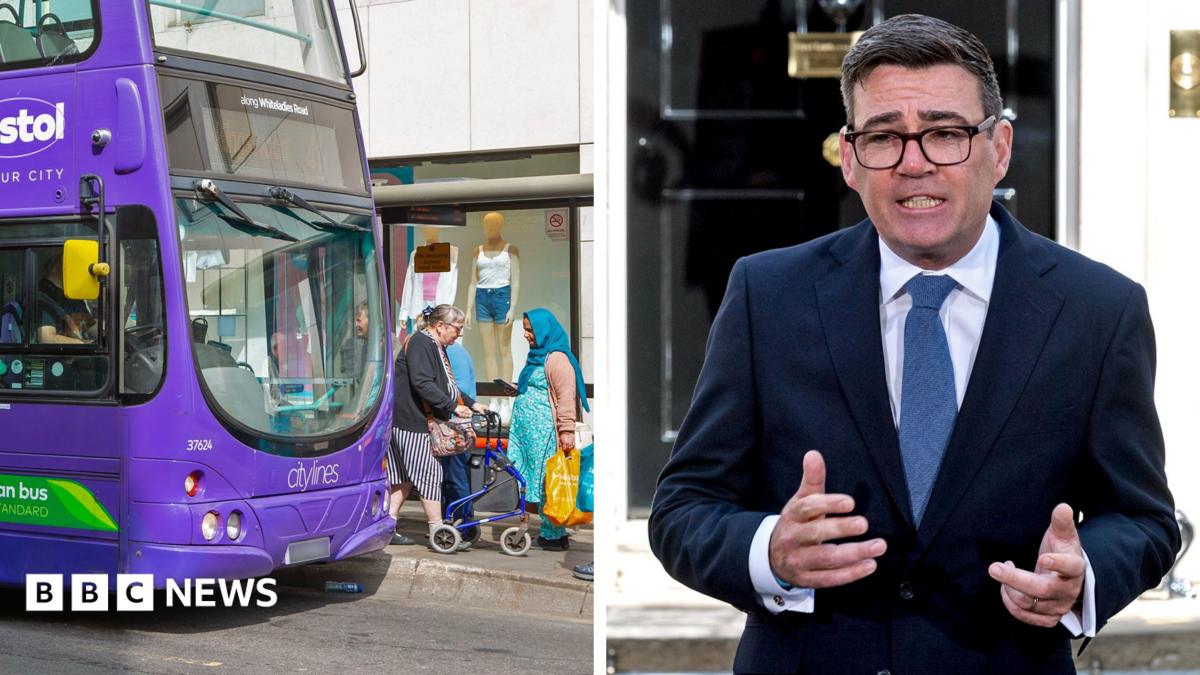
Andy Burnham caps English bus fares at £2 from January
British Prime Minister Andy Burnham has announced that single bus fares across England will be capped at £2 starting in January. The move is part of a broader strategy to establish a cost-of-living government
and provide a financial lifeline to voters.
The new cap reverses a previous increase to £3 implemented in 2024 by Rachel Reeves and Sir Keir Starmer. While a £2 limit had existed between January 2023 and December 2024, the prior Labour administration had argued it was not affordable. Currently, a nationwide cap is set at £3 until the end of March 2027, though some areas — including London and Greater Manchester — have maintained lower rates.
The measure will remain in place throughout 2027. According to the government, the cap will apply to around 5,000 bus routes across England, though the majority of single fares in London will remain capped at £3.
Funding and Financial Impact
The initiative is supported by £454 million of funding, which includes allocations for devolved governments to take similar actions. Approximately £400 million of this total will be sourced by switching investment in international climate finance to loans, with the remaining balance coming from savings within the Department for Energy Security and Net Zero budget.
The total cost of the scheme is expected to exceed £500 million, with additional funding provided by the Department for Transport's existing bus allocations. Chancellor John Healey stated that millions of people would benefit from fares being reduced by a third. He insisted the measure is funded by savings made elsewhere and places no burden to British taxpayers
.
Transport Secretary Heidi Alexander added that the reduction is intended to make everyday journeys easier and cheaper
and keep people connected to healthcare, school, work, and family.
Industry and Regional Response
The Confederation of Passenger Transport (CPT), a bus and coach trade body, expressed pleasure that Andy Burnham has placed buses at the center of cost-of-living plans. However, CPT chief executive Graham Vidler emphasized that it is vital
for the government to collaborate with the industry to ensure operators are on a sustainable footing
. Vidler called for a fair
reimbursement model for operators participating in the cap.
The impact is expected to be most significant in coastal and rural areas, where insufficient transport links often result in higher single fares. Most of England, excluding Manchester and London, operates under deregulated networks where private operators determine fares.
Mr Burnham, who previously imposed a £2 limit as the Mayor of Greater Manchester after bringing services under public control in 2022, argued that affordable transport is essential so that no one is priced out
or left behind
.
Broader Governance and Cabinet Changes
The fare announcement coincides with a significant reshuffle of the ministerial team. Downing Street confirmed several appointments:
- Dan Jarvis: Returned to the post of security minister.
- James Murray: Appointed Financial Secretary to the Treasury and Paymaster General.
- Anna Turley: Appointed as a Home Office minister, leaving her role as Labour Party chair.
- Florence Eshalomi: Appointed housing minister.
- Andy Slaughter: Appointed Solicitor General.
Anas Sarwar, the Scottish Labour leader since 2021, is expected to receive a peerage and a role within the Department for Business, Innovation, Science and Trade. Additionally, 17 ministers were re-appointed, including Luke Pollard as defence minister and Sarah Sackman as justice minister.
The fare cap follows another cost-of-living measure: the removal of VAT on electricity bills starting October 1. The government estimates this will reduce the average bill by £45, though former Chief Secretary to the Treasury Darren Jones questioned how the new policies would be paid for, claiming the Digital ID program, which the government is scrapping to fund the tax cut, was originally unfunded.
How significant is this development?
Participate in our community survey on the trajectory and real-world impact of this news.