Federal judge extends block on Trump order limiting mail-in voting
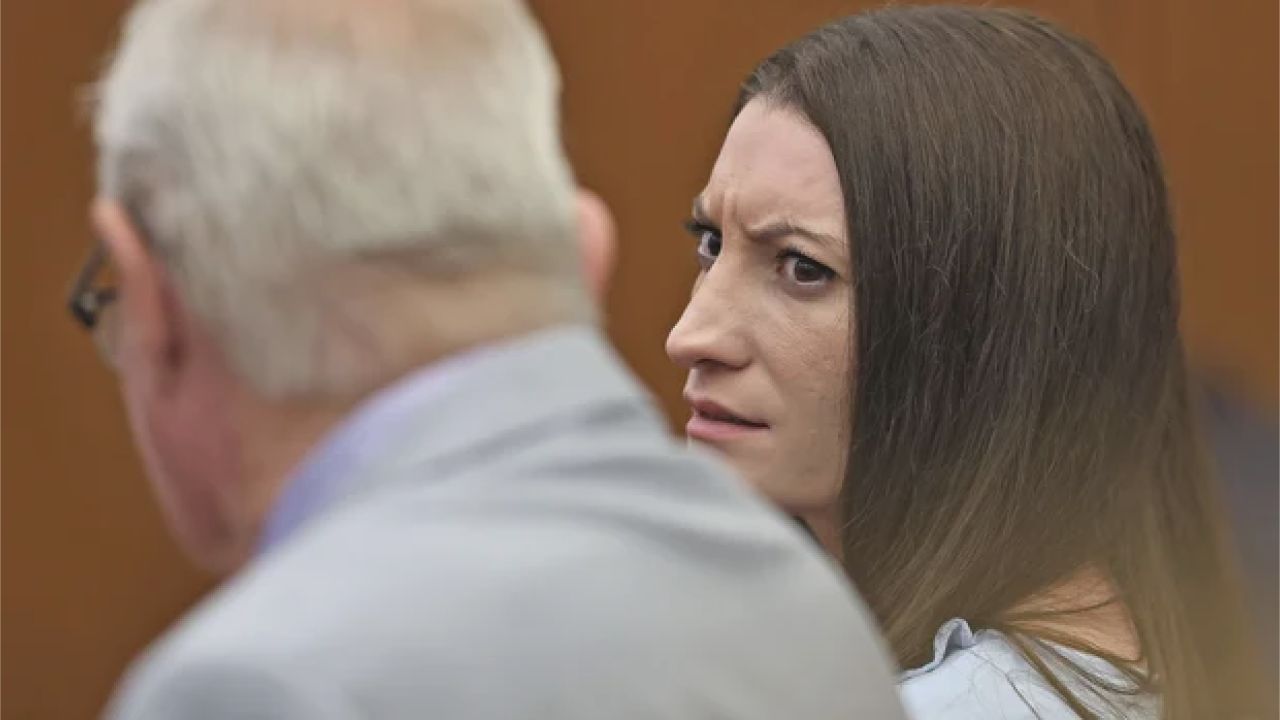
U.S. District Judge Indira Talwani issued a preliminary injunction preventing the Trump administration from implementing restrictive new USPS mail-in voting requirements.
Federal judge extends block on Trump order limiting mail-in voting
A federal judge in Boston extended a ban on Friday that prevents the Trump administration from implementing a U.S. Postal Service rule designed to tighten mail-in voting requirements before the November congressional elections.
U.S. District Judge Indira Talwani issued the preliminary injunction at the request of voting rights groups and Democratic-led states. The ruling replaces a 14-day temporary restraining order Talwani had previously granted to stop the enforcement of the rule while she determined whether a longer-term block was necessary.
The legal battle arrives as the first state in the country, North Carolina, began mailing ballots for the November elections on Friday.
Requirements of the USPS Rule
The rule was created to implement an executive order signed by President Donald Trump in March. The president has frequently pushed the claim that his 2020 loss to Joe Biden resulted from widespread voter fraud and has called for restrictions on voting by mail.
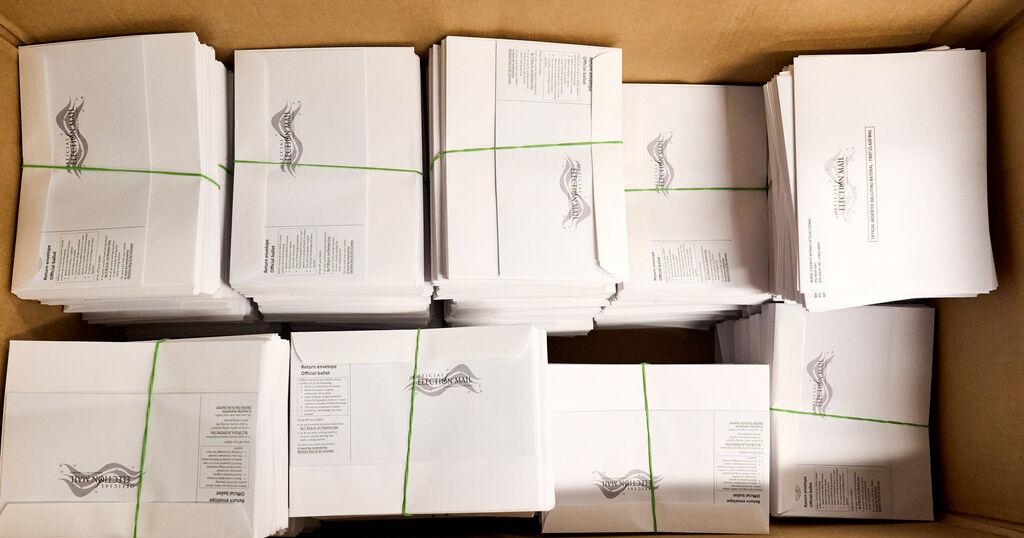
Under the proposed rule, states would be required to provide the USPS with lists of mail ballot recipients. Additionally, all return and outbound ballot envelopes would need to feature unique barcodes.
The USPS would have the authority to refuse delivery of ballots that do not meet these new standards or are associated with voters not found on the provided lists.
Arguments Over Voter Access
Voting rights advocates and several states argued the rule was adopted in violation of the U.S. Constitution, which grants states the authority to administer elections, and warned the requirements risked disenfranchising voters.
Judge Talwani highlighted the tight timeframe in her ruling, stating:
"Plaintiff states are required under state law to mail millions of ballots to voters on a prescribed timeframe. As detailed below, they are unable to pivot this late in the election cycle, nearly guaranteeing significant disenfranchisement for eligible voters."
Judge Indira Talwani, via court ruling
Lawyers for the U.S. Department of Justice countered that the envelope design requirements were modest
and that the USPS has clear authority to implement them. They argued that state officials would still maintain full control over who is permitted to vote by mail.
Implementation Challenges
Critics argue the USPS is not ready to implement the system. A USPS official noted in a court filing on Thursday, Sept. 3, that the online portal states would use to upload voter lists was not yet active, though it could be available during the week of Sept. 7.
many state election offices have already printed their ballots and envelopes. A whistleblower statement released Tuesday by Democratic Senator Richard Blumenthal alleged that the USPS was rushing a hastily created
system that could disrupt ballot delivery during the election.
While the order allows states to voluntarily use the new system, no state has announced it will do so to date.
Legal Timeline and Context
The administration has attempted several avenues to bypass the block. On Thursday, the administration asked the U.S. Supreme Court to lift the restraining order. The Supreme Court's 6-3 conservative majority had previously lifted an order Talwani issued to prevent the restrictions, though the court did not explicitly rule that Trump's move was legal. Instead, the court found that earlier lawsuits were filed prematurely before the USPS issued its formal rule.
The administration also sought to have the 1st U.S. Circuit Court of Appeals set aside the initial restraining order, but that court had not acted before Talwani issued her latest decision on Friday.
This conflict follows a previous executive order from Trump last year that sought to require documentary proof of citizenship for voter registration. Federal judges halted that order, ruling that the president does not have the power to set voting procedures.
The current dispute occurs as control of Congress remains at stake, with nearly a third of U.S. Voters using mail ballots. Currently, all 50 states allow some form of mail-in voting, with 29 allowing voters to request ballots without a reason and eight states conducting elections entirely by mail.
The Trump administration is expected to appeal the latest ruling.