India's Cockroach Janta Party turns viral memes into youth protests
India's Cockroach Janta Party turns viral memes into youth protests
- Headline Dispatch: India's Cockroach Janta Party turns viral memes into youth protests
- Core Takeaway: India's Cockroach Janta Party turns viral memes into youth protests
- Source Synthesis: Continuous live monitoring aggregated across major news wires and independent bureaus.
India's Cockroach Janta Party turns viral memes into youth protests
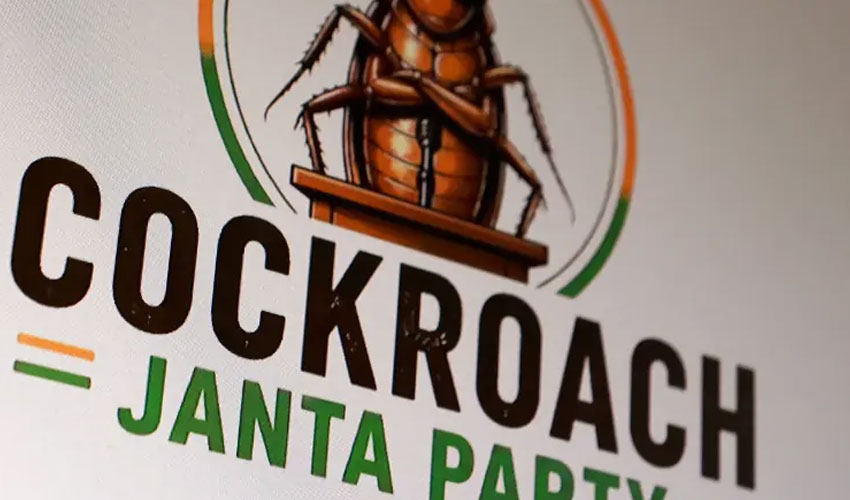
A humorous online movement, born out of a controversial remark comparing unemployed young people to "cockroaches and parasites," has transformed into a powerful youth-led protest in India. The self-styled Cockroach Janta Party (CJP) has become a symbol of defiance, with thousands of young Indians embracing the label and using it to express frustration over unemployment, examination controversies, and economic uncertainty.
The movement began as a satirical online initiative, with creators posting parody political campaigns, satirical manifestos, and humorous qualifications such as "future ministers." International meme pages joined the trend, announcing applications for the "foreign wing" of the CJP, while creators from around the world produced parody campaign advertisements. The CJP's social media pages attracted millions of followers within days, making it one of India's fastest-growing online political communities.
As the movement gained momentum, it drew reactions from prominent political leaders and public figures. Some defended the movement's satirical nature, arguing that humour should not be met with censorship. Others, like climate activist Sonam Wangchuk, jokingly described themselves as "honorary cockroaches," while veteran social activist Anna Hazare urged authorities to engage with young people instead of dismissing their concerns.
Students and activists organised peaceful gatherings in several cities, with some participants wearing oversized cockroach costumes while staging mock press conferences and satirical political rallies. The movement later became intertwined with broader student protests over alleged examination paper leaks, unemployment, and demands for greater government accountability. Police crackdowns on some demonstrations further intensified debate over freedom of expression and the government's response to youth-led dissent.
The CJP's unique approach to protest, which blends humour, satire, and internet culture, has redefined what modern political activism looks like. Gen Z protesters, in particular, have brought their online identity – memes, viral trends, humour, and visual storytelling – into public movements. The demonstrations in New Delhi, which saw clashes between protesters and police, reflected a broader shift in how a digitally native generation approaches activism.
One of the defining features of Gen Z-led protests is the use of irony. The CJP's very name was built around satire, turning a dismissive reference into a symbol of collective frustration. The movement used online humour not to minimise the seriousness of its demands but to attract attention in an overcrowded digital space. For many young protesters, memes are not separate from politics; they are a way of explaining complex issues, criticising those in power, and building a shared identity.
The Delhi protests also showed how quickly online communities can become real-world gatherings. The CJP's initial digital popularity helped bring people together at Jantar Mantar, where the movement gained support from students and families affected by examination-related controversies. The involvement of activist Sonam Wangchuk, who joined the agitation and undertook a hunger strike over education-related concerns, further increased attention around the protest.
As the protests continue to evolve, opposition parties have staged a protest at parliament, demanding the resignation of India's Education Minister Dharmendra Pradhan. The protests, which started over the leak of medical school entrance exam papers, have grown into the biggest youth challenge to Prime Minister Narendra Modi since he came to power in 2014. Tens of thousands of young protesters have taken to the streets, clashing with police who used tear gas and batons to push them back.
The government has responded to the protests, with Pradhan saying that the government is committed to addressing the concerns of protesting youth and exam reforms. However, the CJP's surge in popularity reflects frustrations among young Indians over issues such as job shortages, as well as exam leaks, which they say happen frequently.
As the situation continues to unfold, the CJP movement has demonstrated how internet culture can rapidly evolve into real-world activism, turning humour into a powerful tool for political expression. For many young Indians, the cockroach has become less about the insect itself and more about reclaiming an insult while highlighting deeper frustrations over jobs, education, and governance.
How significant is this development?
Participate in our community survey on the trajectory and real-world impact of this news.