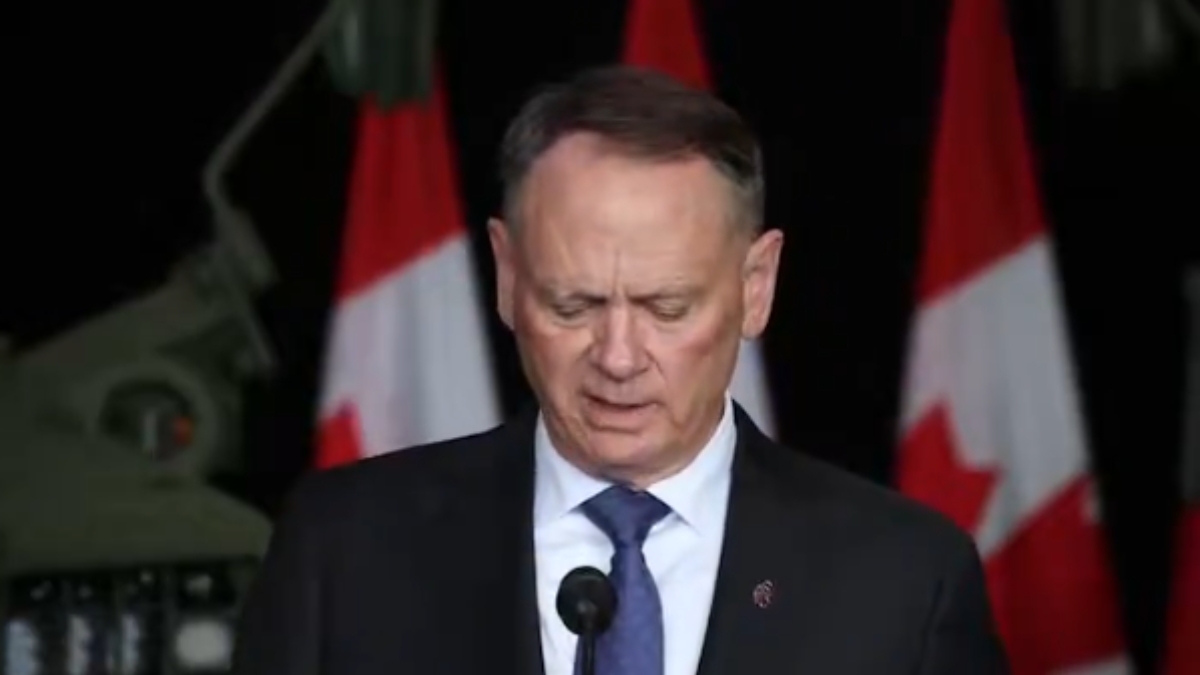
US and Iran Launch Fresh Strikes After Two Troops Die in Jordan
The US has launched a direct military campaign against the IRGC following a lethal attack on a base in Jordan, effectively ending the recent ceasefire. Iran has responded with large-scale drone strikes against American military installations in Kuwait.
- Headline Dispatch: US and Iran Launch Fresh Strikes After Two Troops Die in Jordan
- Core Takeaway: The US has launched a direct military campaign against the IRGC following a lethal attack on a base in Jordan, effectively ending the recent ceasefire. Iran has responded with large-scale drone strikes against American military installations in Kuwait.
- Source Synthesis: Continuous live monitoring aggregated across major news wires and independent bureaus.
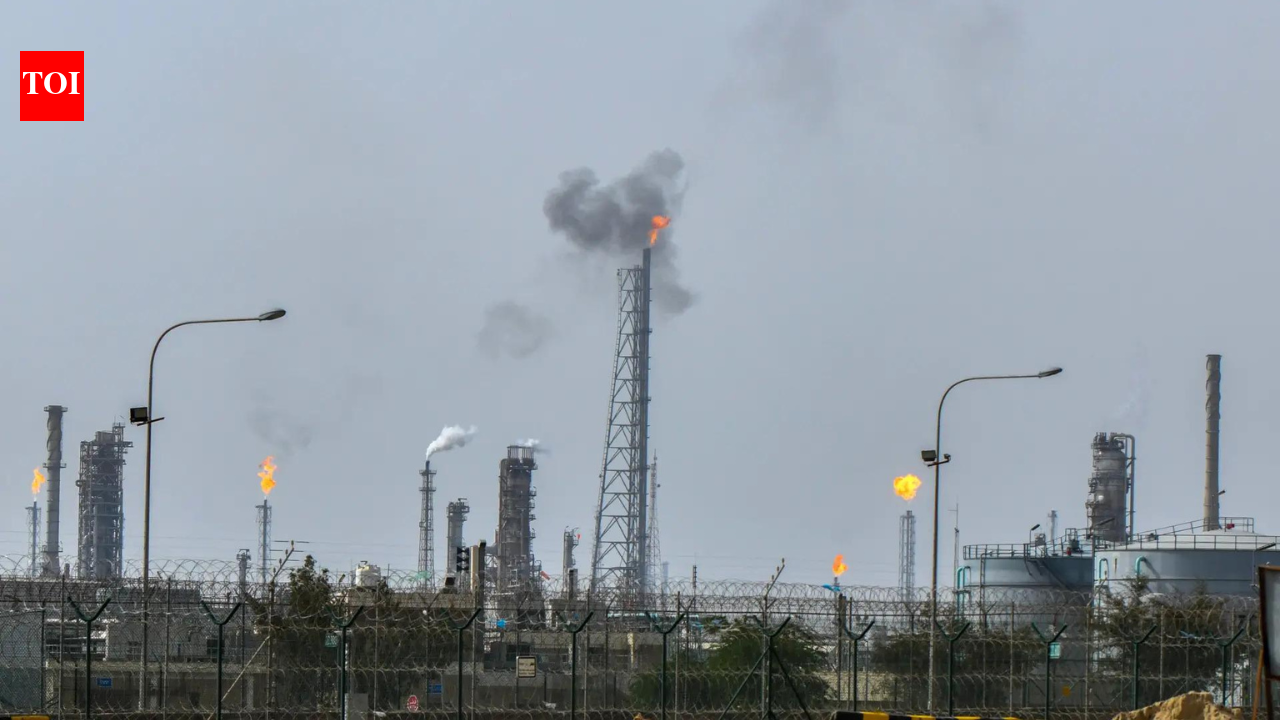
Regional hostilities surged on Sunday, 19 July 2026, as the United States launched a fresh round of airstrikes against Iran’s Islamic Revolutionary Guard Corps (IRGC). The military campaign, now in its eighth day, follows a lethal attack on a base in Jordan that resulted in the deaths of two American service members, according to the U.S. Military. One additional American soldier remains missing, and four others required medical evacuation.
U.S. Central Command confirmed the strikes targeted coastal surveillance and air defense facilities, maritime capabilities, and missile and drone storage sites. These operations, ordered by President Donald Trump, represent the first time the campaign has explicitly named the IRGC as a direct target. The U.S. Strategy includes targeting bridges and electrical infrastructure in Iran to degrade its ability to control the Strait of Hormuz. The Atomic Energy Organization of Iran denounced the attack on a construction site of the Darkhovin nuclear power plant as "a violation of international law."
In retaliation, Iranian forces expanded operations across the Gulf. On Sunday, the IRGC claimed to have launched large-scale kamikaze drone strikes against two U.S. Military installations in Kuwait: an ammunition depot at Camp Udairi and air-surveillance radar systems at Ali Al Salem Air Base. Kuwaiti officials reported that their air defense systems were activated to intercept these incoming threats, noting that critical infrastructure, including power and water desalination plants, has been struck repeatedly over the last two days. The secretary-general of the Gulf Cooperation Council, Jasem Mohamed al-Budaiwi, accused Iran of war crimes for strikes on infrastructure and civilian facilities.
The security situation remains volatile in Jordan, where authorities and the U.S. Embassy offered conflicting reports regarding the status of the city of Aqaba. While the U.S. Embassy warned Americans to avoid the airport and seaport due to a "specific and credible threat," Jordanian government spokesperson Mohammad Al-Momani stated that no evacuations had been ordered and no potential threats had been recorded by national authorities in recent hours. Israel has detected missiles launched from Iran towards the city of Aqaba in Jordan, an Israeli military spokesperson said on Sunday.
The broader conflict has effectively dismantled the Islamabad Memorandum of Understanding, an interim ceasefire deal signed just one month ago. Iranian Deputy Foreign Minister Kazem Gharibabadi announced that Tehran has suspended all commitments under the agreement, citing what it describes as dozens of American violations. Iranian Foreign Minister Abbas Araghchi said the Supreme Leader holds the final authority to decide whether Iran goes to war or agrees to a ceasefire.
In Iran, the judiciary-linked news outlet Mizan reported the executions of two men convicted of killing police officers in January. Meanwhile, Parliament Speaker Mohammad Bagher Ghalibaf called for national unity, characterizing obedience to the supreme leader as a necessary condition for victory. In the United States, President Trump urged members of his party to add Iran to the Russian Sanctions Bill.
Military activities have also extended into Iraq, where an official reported that Iranian forces conducted a drone strike on a camp belonging to the Kurdistan Freedom Party in the Darashakran area of Erbil. Since the conflict reignited on 28 February 2026, the U.S. Military reports 16 total deaths and over 430 injuries among its service members.
How significant is this development?
Participate in our community survey on the trajectory and real-world impact of this news.