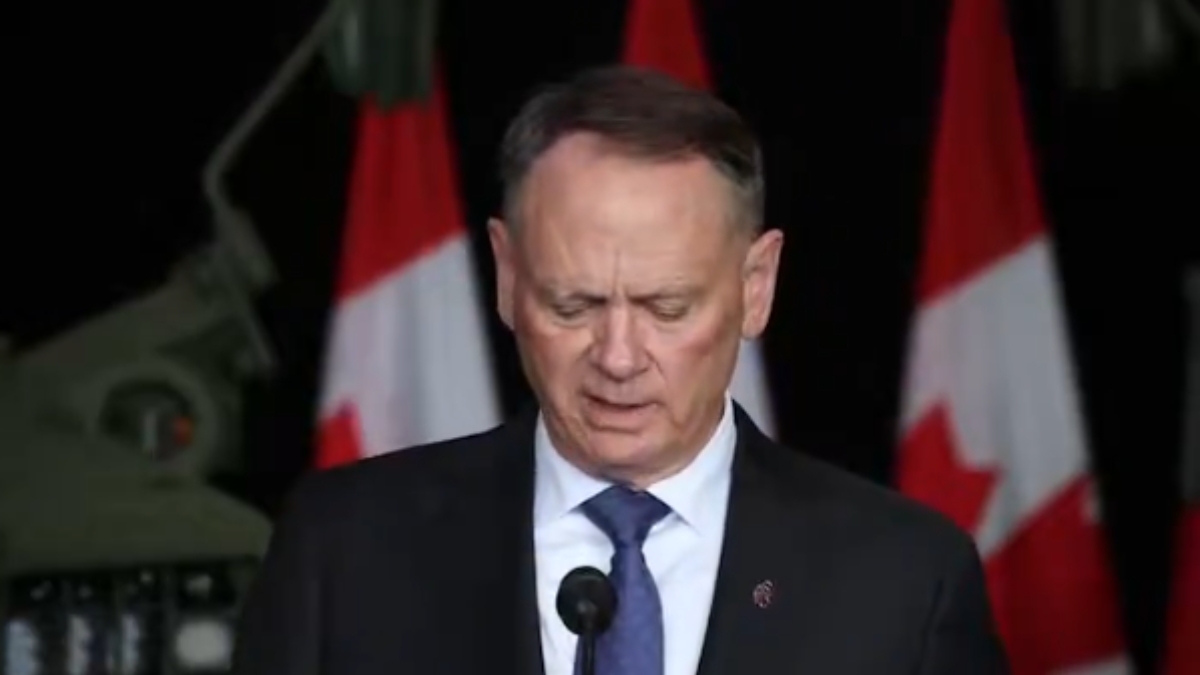
US military hits 3 Iranian oil tankers after saying Navy warships were targeted
U.S. forces have permanently disabled or destroyed three Iranian oil tankers following unprovoked ballistic missile attacks targeting American warships.
- Headline Dispatch: US military hits 3 Iranian oil tankers after saying Navy warships were targeted
- Core Takeaway: U.S. forces have permanently disabled or destroyed three Iranian oil tankers following unprovoked ballistic missile attacks targeting American warships.
- Source Synthesis: Continuous live monitoring aggregated across major news wires and independent bureaus.
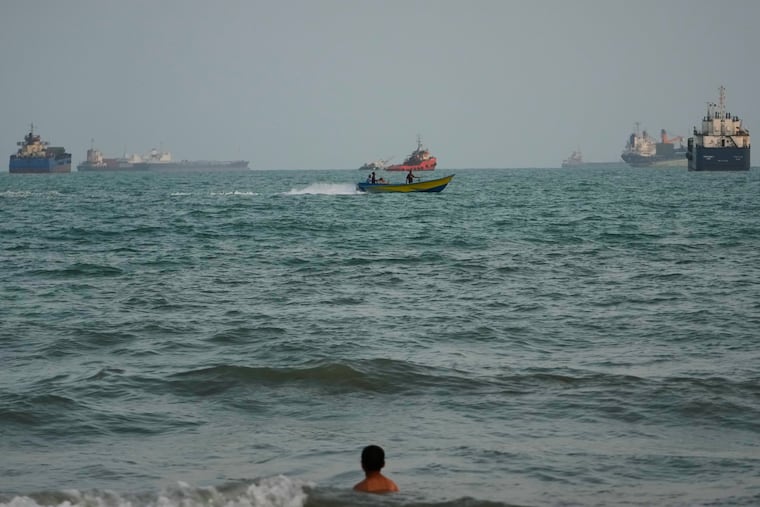
The six-month conflict in the Middle East escalated sharply on Saturday, 5 September 2026, when American forces struck three Iranian crude oil tankers. The military action followed what U.S. Central Command described as unprovoked ballistic missile attacks launched by the Islamic Revolutionary Guard Corps against U.S. Navy warships patrolling regional waters.
According to U.S. Central Command, an American aircraft carrier and a guided-missile destroyer successfully evaded the incoming missiles. No American personnel suffered injuries during the engagement.
Military Response and Vessel Targeting
Following the failed attacks on its naval vessels, the U.S. Military retaliated by targeting Iran's maritime economic infrastructure. U.S. Central Command stated that the operations permanently disabled two crude oil carriers and completely destroyed a third unladen vessel.
| Vessel Name | Location | Status / Result |
|---|---|---|
| M/T Downy | Off the coast of Kharg Island | Permanently disabled by U.S. Forces |
| M/T Stark 1 | Near Jask, east of the Strait of Hormuz | Permanently disabled |
| M/T Kylo (also known as "Noxen") | Gulf of Oman | Completely destroyed after crew was directed to abandon ship |
U.S. Central Command released video footage showing explosions across the targeted ships. Officials asserted that the vessels formed part of a multi-billion-dollar shadow network used to finance the Revolutionary Guard and its armed proxies across the region.
"Let the message to the IRGC be clear: If you shoot at two of our ships, we will impose an even higher economic cost — taking out three of yours."
Adm. Brad Cooper, CENTCOM Commander, via Fox News and AP
Adm. Brad Cooper added that American forces would not hesitate to defend themselves and, if necessary, destroy Iran's limited and exposed oil fleet. A U.S. Official noted to Fox News that the Revolutionary Guard cannot easily replace these tankers, placing severe pressure on the heart of Iran's economy.
Broader Regional Escalation and Civilian Casualties
The maritime strikes occurred amid a broader resumption of warfare across the Middle East. Diplomat from the United States, Britain, France, and Germany are reportedly seeking to refer Iran to the U.N. Security Council over nonproliferation obligations.
President Donald Trump stated that Washington now maintains almost total control of the Strait of Hormuz and dismissed the prospect of returning to negotiations, warning that Iran would be hit at a much harder and higher level. Meanwhile, Iranian President Masoud Pezeshkian has maintained that Tehran remains prepared to return to an interim ceasefire if Washington does the same.
The renewed campaign has triggered retaliatory missile and drone strikes from Iran targeting Gulf states and Jordan. Jordanian authorities reported intercepting ten missiles, with three landing in unpopulated areas near Prince Hassan Air Base.
Humanitarian concerns have mounted concurrently with the military engagements. Iranian officials and the Iranian Red Crescent Society reported that a U.S. Strike hit a home hosting a wedding celebration in southern Sirik, killing at least five people—including children—and injuring dozens. Thirteen-year-old Masoumeh Zarei and fourteen-year-old Kiana Karimi spoke to reporters from a hospital about surviving the explosions that tore through the local telecommunications tower and surrounding area.
U.S. Vice-President JD Vance addressed the reports by stating he was extremely skeptical of claims that American strikes targeted civilians, though he confirmed the U.S. Would investigate the incident. The Iranian government has denounced the event as a war crime.
Next Steps and Economic Pressures
As the conflict deepens, the closure and contested control of the Strait of Hormuz continue to drive global energy prices upward.
With domestic pressure mounting ahead of the U.S. Midterm elections regarding the economic costs of the war, the administration faces critical decisions. Further military actions, potential U.N. Security Council referrals, and ongoing regional skirmishes threaten to close the diplomatic window entirely as both sides signal an intent to dig in.
How significant is this development?
Participate in our community survey on the trajectory and real-world impact of this news.