England secure third place at 2026 World Cup with Bellingham leading squad
Thomas Tuchel's England side claimed a bronze medal at the 2026 World Cup following a victory over France. The tournament featured standout performances from players like Jude Bellingham alongside a squad facing various injury challenges.
- Headline Dispatch: England secure third place at 2026 World Cup with Bellingham leading squad
- Core Takeaway: Thomas Tuchel's England side claimed a bronze medal at the 2026 World Cup following a victory over France. The tournament featured standout performances from players like Jude Bellingham alongside a squad facing various injury challenges.
- Source Synthesis: Continuous live monitoring aggregated across major news wires and independent bureaus.
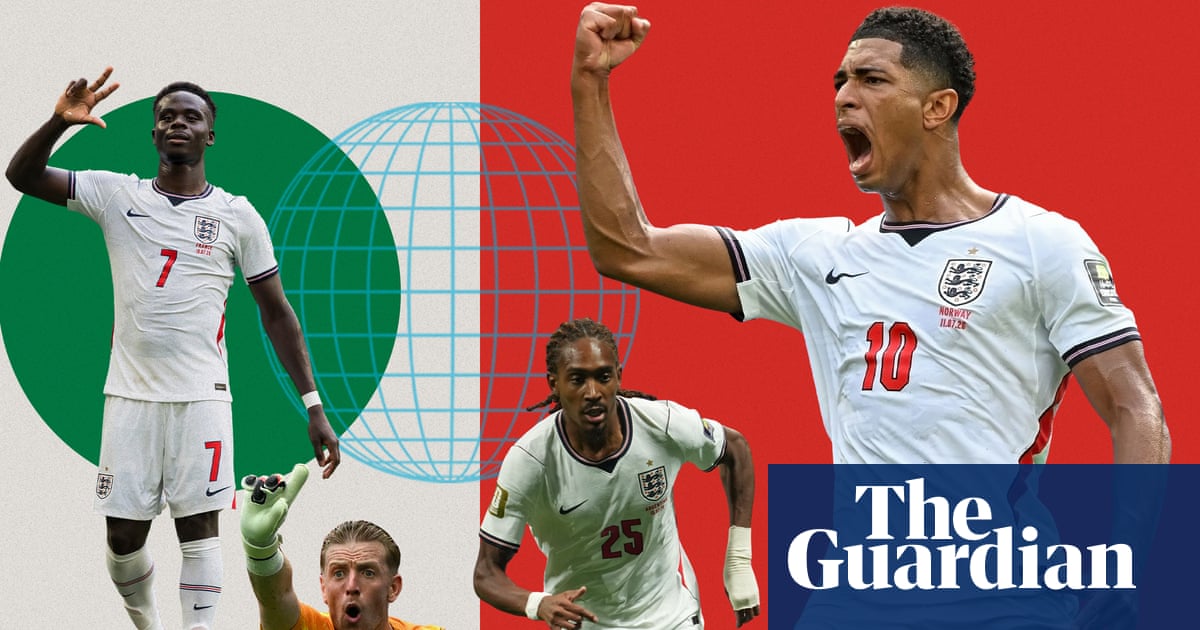
England concluded their 2026 World Cup campaign on Sunday, 19 July 2026, securing a third-place finish and a bronze medal. The squad, managed by Thomas Tuchel, ended the tournament with a 6-4 victory over France in the bronze-medal match. This result marks the national team's best performance in a World Cup since the 1966 tournament.
The campaign, while ultimately successful in securing a medal, was defined by a mixture of standout individual displays and difficult moments. England’s journey included a heart-wrenching semi-final exit against Argentina, where the team led until the final five minutes of normal time before conceding twice to the tournament holders.
Jude Bellingham emerged as the central figure of the squad throughout the tournament. Often cited as one of the best performers across the entire competition, Bellingham contributed seven goals, including match-winning braces during the knockout stages against Mexico and Norway.
The attacking efforts were bolstered by Harry Kane, who finished the tournament as a Golden Boot contender, having rescued the team in the round of 32 match against the Democratic Republic of the Congo. Anthony Gordon also solidified his reputation, particularly in the knockout rounds, where he registered multiple assists and opened his scoring account against Argentina. Bukayo Saka, despite managing an achilles injury throughout the competition, provided three assists early on and finished his tournament with a hat-trick against France.
Defensively, the team saw consistent performances from Marc Guéhi, who gained recognition for his ability to handle challenging strikers such as Erling Haaland. Ezri Konsa and John Stones also provided stability, with the latter showing improvement in form as the tournament progressed. Djed Spence emerged as an unexpected success, earning praise for his defensive contributions and a notable tackle against Argentina that drew significant attention.
Midfield play proved vital, with Declan Rice and Elliot Anderson forming a core partnership. While Rice struggled with hamstring and back issues that impacted his mobility and rhythm, his ability to win possession and drive forward remained an asset. Anderson, meanwhile, gained momentum as the tournament progressed.
The goalkeeping duties were shared, with Jordan Pickford starting the majority of the matches. While he produced significant saves during the knockout stages, he faced criticism regarding certain goals conceded. Dean Henderson featured in the third-place play-off against France, where he faced heavy pressure, conceding four goals while managing to record a few saves.
The tournament also highlighted the physical demands placed on the squad. Players including Reece James and Kobbie Mainoo faced injury challenges, with the latter failing to make an appearance due to a back injury. Jordan Henderson made a historic appearance against Panama, becoming the first England men's player to feature at seven major international tournaments, though his later involvement was hampered by a broken arm sustained during celebrations.
How significant is this development?
Participate in our community survey on the trajectory and real-world impact of this news.