US and Iran continue indirect talks as Qatari mediators seek new truce
Qatari mediators are attempting to de-escalate tensions and facilitate indirect diplomacy between Washington and Tehran after a series of retaliatory strikes.
- Headline Dispatch: US and Iran continue indirect talks as Qatari mediators seek new truce
- Core Takeaway: Qatari mediators are attempting to de-escalate tensions and facilitate indirect diplomacy between Washington and Tehran after a series of retaliatory strikes.
- Source Synthesis: Continuous live monitoring aggregated across major news wires and independent bureaus.
US and Iran continue indirect talks as Qatari mediators seek new truce
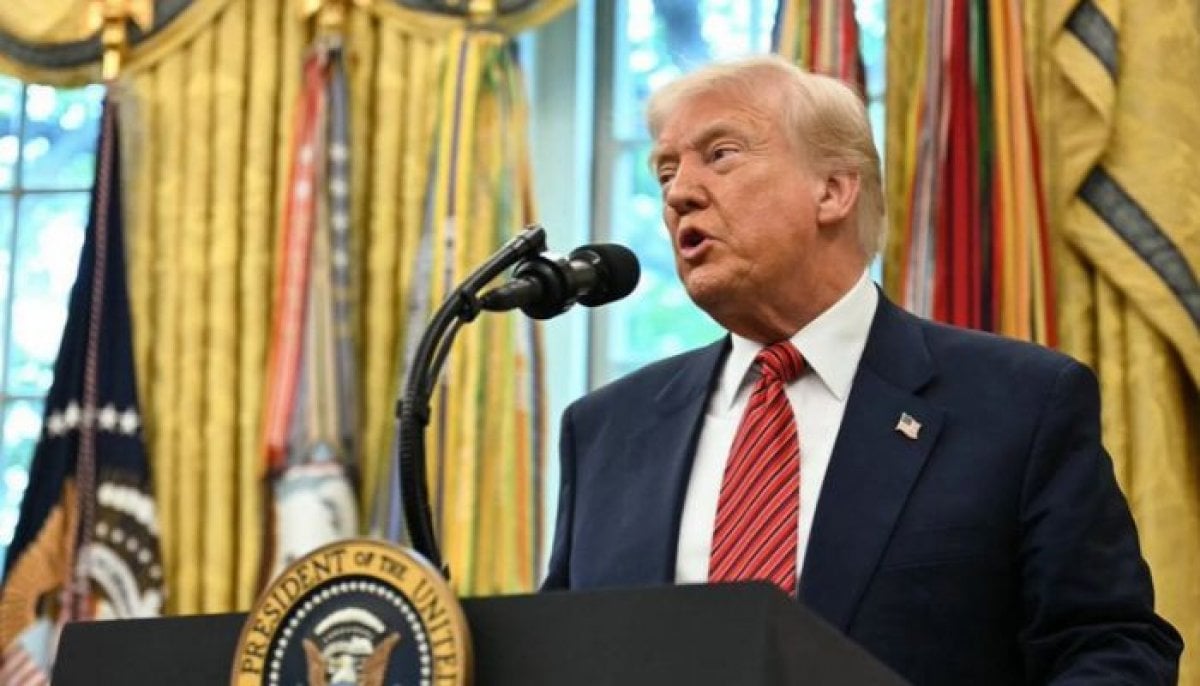
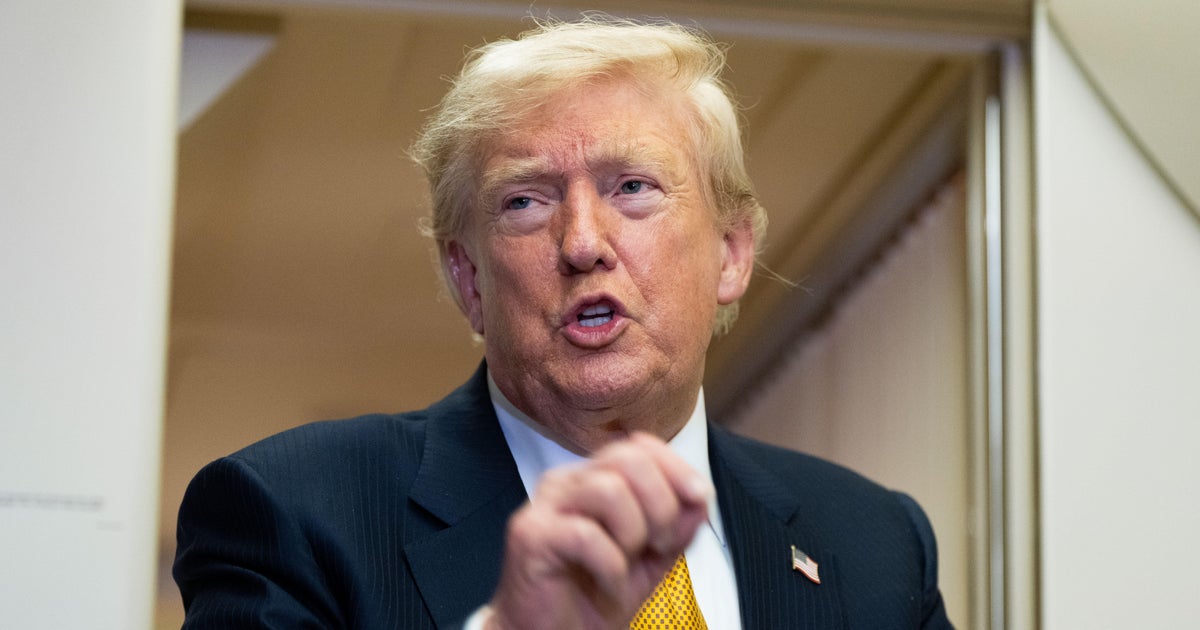
President Donald Trump announced Friday, that the United States has agreed to a request from Iran to continue negotiations, though he stated in no uncertain terms
that the previous ceasefire is OVER!
The announcement follows a week of renewed hostilities and deadly strikes between Washington and Tehran, signaling a critical failure of the memorandum of understanding (MoU) signed in mid-June. That interim deal was intended to end a conflict that began on February 28 and provided a 60-day window for talks on Iran's nuclear program, the unfreezing of assets, and the administration of the Strait of Hormuz. The agreement was scheduled to last until approximately Aug. 18.
Qatari mediators arrived in Mashhad, Iran, on Friday to attempt to de-escalate the situation and facilitate indirect diplomacy. The Qatari delegation, led by an adviser to the foreign minister, is working to stabilize Qatar's role as a mediator after the country accused Iran this week of targeting a Qatari-owned tanker. Qatar's Foreign Ministry spokesman, Majed Al Ansari, stated that the diplomatic path remains the only option capable of ending the crisis.
Escalation in the Strait of Hormuz
The current flare-up erupted after Iran attempted to exert control over shipping lanes in the Strait of Hormuz. The Islamic Revolutionary Guard Corps (IRGC) fired on at least three commercial vessels on Tuesday in Omani territorial waters and sought to charge fees for the use of the lane, a move the U.S. Objects to.
In response, the U.S. Military conducted two days of intense strikes targeting approximately 170 Iranian sites, including air defenses, drone and missile storage, and logistics infrastructure. A U.S. Official noted that railways used for transporting military supplies were among the targets. Iran retaliated by striking U.S. Military installations in neighboring Gulf states on Thursday.
The conflict has severely disrupted maritime trade. Daily tanker traffic, which had averaged 40 ships prior to this week's attacks, dropped to 34 on Thursday — the lowest level since June 28. This remains significantly below the pre-war average of 125 to 140 daily sailings. The U.S. Navy continues to encourage the use of the southern route hugging the Omani coast, while Iran warns that the strait will only reopen on its own terms.
Internal Iranian Tensions and Unclaimed Strikes
The violence coincided with the burial of late supreme leader Ali Khamenei in Mashhad on Thursday. Khamenei was killed in an airstrike on February 28, the first day of the war. Iran accused Washington of targeting bridges and railway links to Mashhad to disrupt the funeral. Additionally, Iranian state media reported a U.S.-Israeli attack on a military headquarters near the civilian nuclear plant in Bushehr.
Mysterious, unclaimed airstrikes also hit southern Iran on Thursday after the U.S. Military announced it had concluded its round of strikes. While the theocracy has not directly blamed a specific party, Iranian lawmaker Esmail Kousari accused the United Arab Emirates of playing a behind-the-scenes
role in the campaign.
Public attention remains focused on Mojtaba Khamenei, who was injured in the strike that killed his father. He has not appeared in public, fueling speculation about his future role.
Diplomatic and Economic Pressure
The U.S. Government is leveraging financial pressure alongside diplomacy. The Treasury Department announced Friday sanctions against Dubai-based Iranian financier Ali Ansari and his holding company, accusing them of diverting public wealth to benefit Mojtaba Khamenei and the IRGC.
Economic impacts are appearing at the pump. AAA reported the national average price of gasoline rose to $3.88 a gallon on Friday, up from $3.84 a week ago. Prices were as low as $3.80 on July 5 following the initial ceasefire.
Other regional actors are intervening to prevent further escalation. Pakistan's Prime Minister Shehbaz Sharif urged Iranian President Masoud Pezeshkian to safeguard hard-earned peace
and offered Pakistan's services as a mediator. Meanwhile, the Saudi ambassador to the U.S. Met with Secretary of State and national security adviser Marco Rubio on Thursday to discuss the path forward.
Next Steps
Diplomatic efforts will continue this weekend, with Iranian Foreign Minister Abbas Araghchi scheduled to travel to Oman on Saturday for talks regarding bilateral relations and the dispute over shipping lanes in the Strait of Hormuz.
While President Trump has agreed to continue talks, Iranian lead negotiator and Parliament Speaker Mohammad Bagher Ghalibaf asserted on Telegram that the conflict will never end with Iran's surrender and that the country is ready for all-out defence
if the U.S. Betrays the understanding.
How significant is this development?
Participate in our community survey on the trajectory and real-world impact of this news.