Forest soils release more CO2 as stable carbon breaks down under warming
Forest soils release more CO2 as stable carbon breaks down under warming
- Headline Dispatch: Forest soils release more CO2 as stable carbon breaks down under warming
- Core Takeaway: Forest soils release more CO2 as stable carbon breaks down under warming
- Source Synthesis: Continuous live monitoring aggregated across major news wires and independent bureaus.
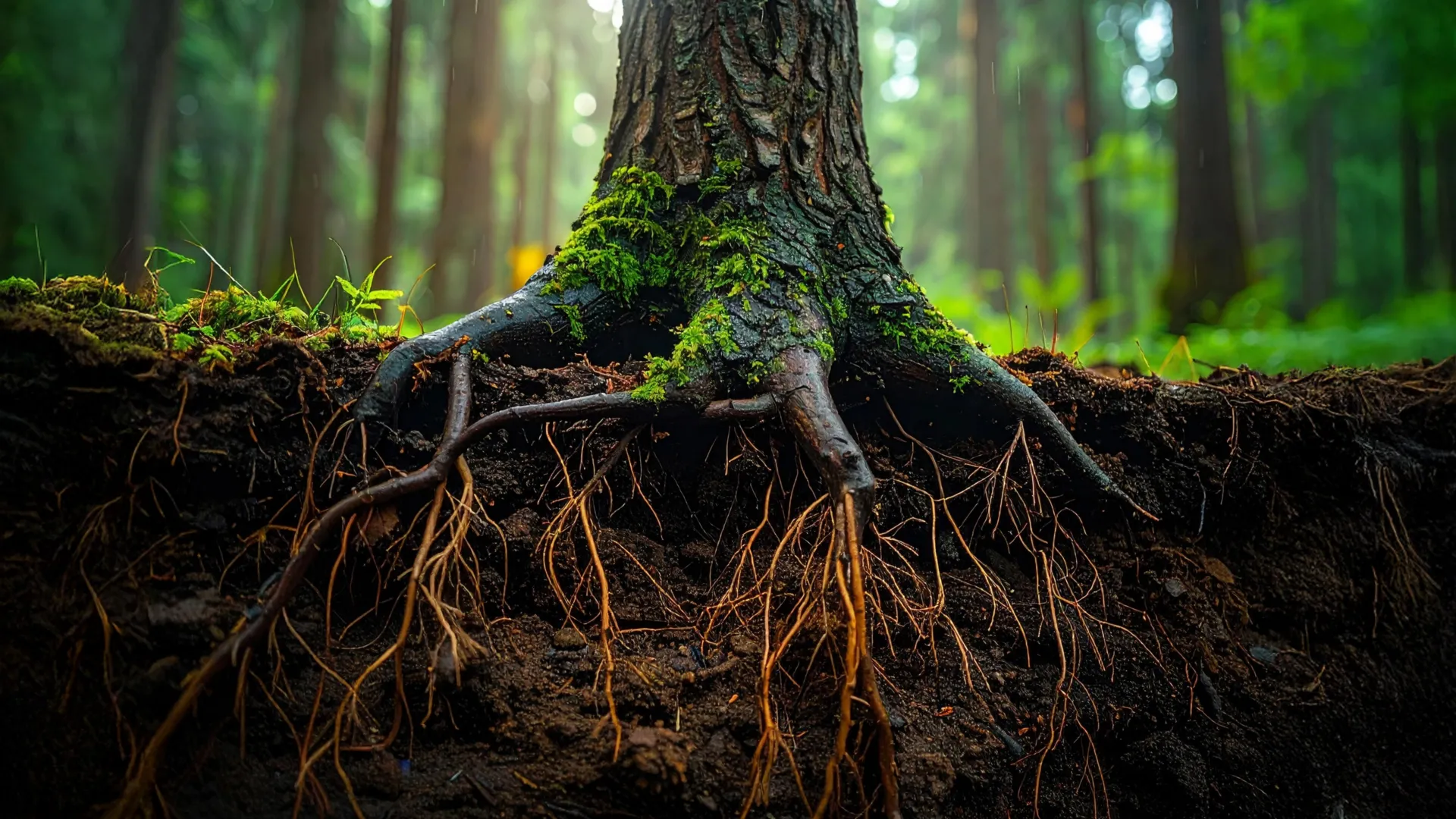
Forest soils release more CO2 as stable carbon breaks down under warming
A long-term study in a Massachusetts forest has challenged a fundamental assumption regarding the stability of soil carbon. After nearly 40 years of observation, researchers found that carbon reserves previously considered stable and resistant to decomposition can break down as temperatures rise, releasing additional CO2 into the atmosphere.
The research centered on the world's longest-running soil warming experiment, conducted in the Harvard Forest in central Massachusetts. For 37 years, scientists have utilized electric cables buried underground to maintain sections of soil at a steady 5 °C (9 °F) above natural conditions. This temperature increase was maintained year round, through humid summers and frozen winters.
Jerry Melillo, a Distinguished Scientist at the Marine Biological Laboratory, noted that the team selected a 5 °C increase because it represented the upper range of global warming projections when the experiment began in the late 1980s.
The findings highlight a delayed reaction in the soil ecosystem. The breakdown of stable portions of soil organic matter did not happen immediately but emerged slowly, becoming observable during the fourth decade of warming. Because soil holds more carbon globally than all plant life and the atmosphere combined, this shift suggests forest soils may contribute more carbon to the atmosphere than previous expectations indicated.
The process is driven by the biological activity within the earth.
"Microbes are critical components of soil ecosystems because they break down organic matter and recycle elements essential for plant growth,"
Jerry Melillo, Distinguished Scientist at the Marine Biological Laboratory
Melillo explained that as warming reshapes these microbial communities, the loss of carbon from soils can accelerate.
This discovery points to a potentially stronger climate feedback loop. In this cycle, rising planetary temperatures trigger the release of more carbon from the soil, which then adds more CO2 to the atmosphere and may lead to further warming.
The study comes as global average temperatures have already risen by about 1.1 to 1.4 °C since the Industrial Revolution. Melillo emphasized that future warming levels will depend on human actions to reduce greenhouse gas emissions.
"If we dramatically cut CO2 emissions from fossil fuel burning, or reduce deforestation, the projected increase would be lower,"
Jerry Melillo, Distinguished Scientist at the Marine Biological Laboratory
Researchers state that integrating this process into climate models should provide a more complete picture of the Earth's carbon cycle and improve projections for future climate change.
How significant is this development?
Participate in our community survey on the trajectory and real-world impact of this news.