Apple Vision Pro hardware chief Paul Meade joins OpenAI
Former Apple VP Paul Meade is moving to OpenAI as part of a larger exodus of engineers and executives aimed at launching a new family of AI-powered devices.
- Headline Dispatch: Apple Vision Pro hardware chief Paul Meade joins OpenAI
- Core Takeaway: Former Apple VP Paul Meade is moving to OpenAI as part of a larger exodus of engineers and executives aimed at launching a new family of AI-powered devices.
- Source Synthesis: Continuous live monitoring aggregated across major news wires and independent bureaus.
Apple Vision Pro hardware chief Paul Meade joins OpenAI
Paul Meade, the vice president overseeing the Vision Products Group at Apple, is leaving the company to join OpenAI’s hardware unit. Meade, who has been with Apple since 2010, is set to depart by next week to work on a family of upcoming AI-powered devices.
Meade's tenure at Apple included roles as a key iPad manager in 2010 and head of iPhone program management in 2012. He joined the Vision Products Group in 2017 and took over all hardware engineering for the division in 2019. More recently, he led the development of the Vision Pro and the company's efforts to create AI smart glasses, codenamed N50, intended to compete with Meta Ray-Bans.
Executive Shake-up at Apple
The departure follows a reorganization of Apple's hardware engineering unit triggered by the appointment of John Ternus as the company's next CEO. Johny Srouji, the Apple chips boss, replaced Ternus as chief hardware officer and initiated a shake-up that caused friction among some executives.
Under this new structure, Meade and other hardware leaders were moved to report to Tom Marieb, the new vice president of hardware engineering, rather than reporting directly to Srouji. This change effectively pushed several executives down one level in the corporate hierarchy.
Fletcher Rothkopf, Meade's longtime deputy responsible for product design for the Vision Pro and smart glasses, will take over Meade's responsibilities.
A Systematic Talent Drain
Meade is the latest in a string of high-profile defections to OpenAI. The company has recently hired Cheng Chen, Apple's senior director of optics for Vision Pro, to fill a gap in its roadmap for smart glasses. OpenAI has also recruited Tang Tan, a 25-year Apple veteran who now serves as OpenAI's chief hardware officer reporting to Sam Altman, as well as former Apple designers Jony Ive and Evans Hankey.
This recruitment effort has extended beyond executives. OpenAI has pulled more than 40 Apple engineers in recent months. These hires span various disciplines, including:
- Silicon design and camera systems
- iPhone and Mac hardware
- Audio and smartwatches
- Device testing, reliability, and human factors
- Industrial design and manufacturing
This talent acquisition is linked to OpenAI's $6.5 billion acquisition of io, a startup founded by Jony Ive to create AI-first hardware.
The State of Spatial Computing
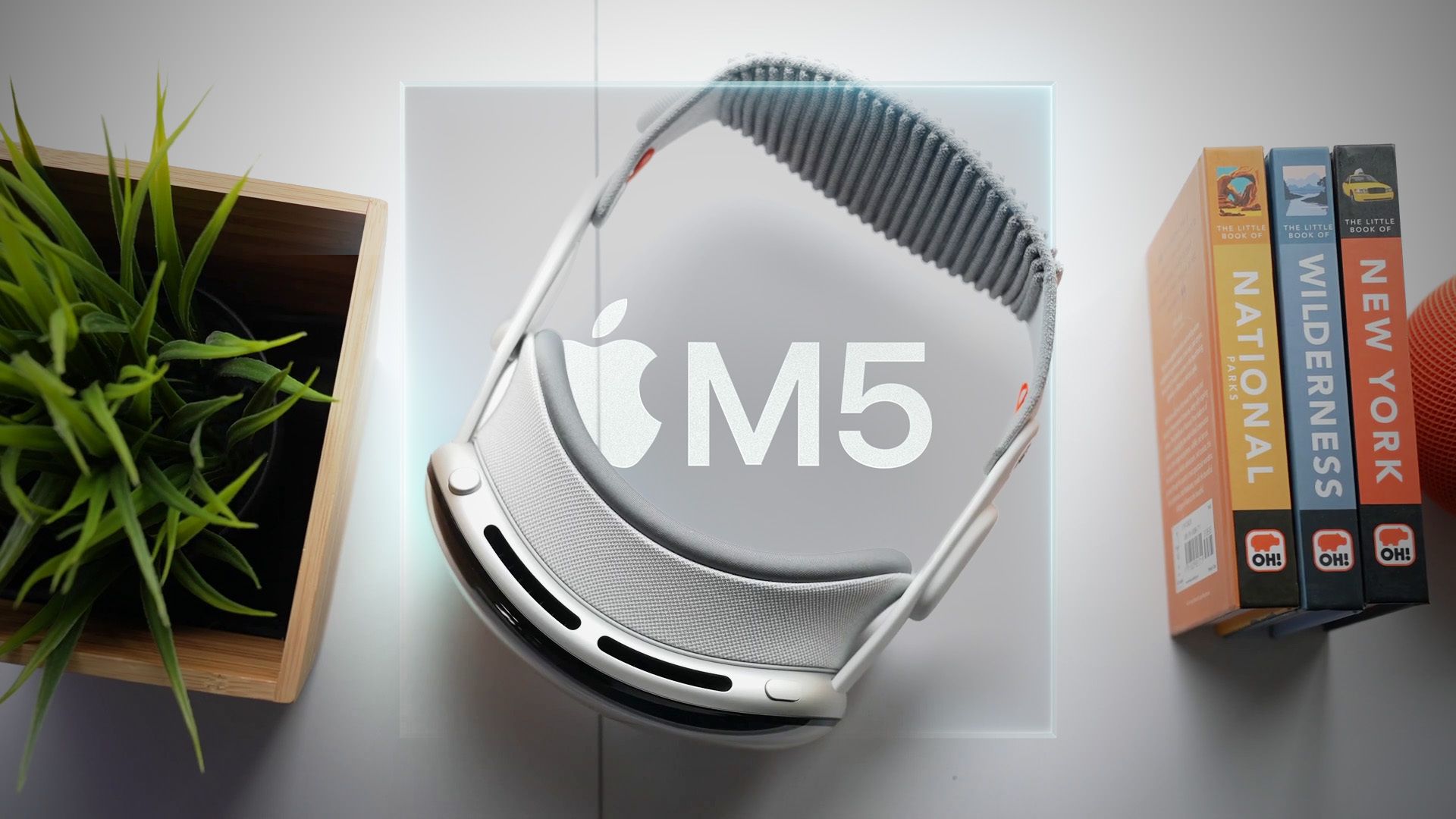
The exodus comes as Apple's ambitions for the Vision Pro appear to have stalled. The company sold roughly 600,000 units over the product's lifetime. An M5 refresh released in late 2025, which featured a 120Hz display, 30 more minutes of battery life, and 10% more rendered pixels at the same $3,499 price, failed to significantly increase sales.
Reports indicate Apple disbanded the 1,000-person Vision Products Group in late April, redistributing the team across other divisions. While Mike Rockwell moved visionOS software into Craig Federighi's organization, the remaining hardware remnant led by Meade existed only to support the M5 unit and the N50 smart glasses project. A next-generation headset is reportedly off the table.
Apple's smart glasses are not expected to arrive until late 2027 at the earliest, according to analysts at AppleInsider.
OpenAI's Hardware Roadmap
OpenAI is positioning itself as a serious consumer electronics operation, shifting its initial production order from Luxshare in China to Foxconn, with assembly targeted for the U.S. Or Vietnam. The company has set initial production targets of 40 to 50 million units.
The hardware lineup reportedly includes:
- A screenless flagship device internally referenced as
Gumdrop
, based on voice-first interaction andcalm computing
. - AI-enabled glasses.
- A smart speaker.
- A wearable pin.
Chris Lehane, OpenAI's chief global affairs officer, confirmed at Davos that the first device is expected to debut in the second half of 2026.
How significant is this development?
Participate in our community survey on the trajectory and real-world impact of this news.