SpaceX reportedly showcases AI device prototype despite Musk denial
Reports suggest SpaceX presented an AI-interaction device prototype to investors, despite denials from Elon Musk and significant operating losses in its AI wing.
- Headline Dispatch: SpaceX reportedly showcases AI device prototype despite Musk denial
- Core Takeaway: Reports suggest SpaceX presented an AI-interaction device prototype to investors, despite denials from Elon Musk and significant operating losses in its AI wing.
- Source Synthesis: Continuous live monitoring aggregated across major news wires and independent bureaus.

SpaceX reportedly showcases AI device prototype despite Musk denial
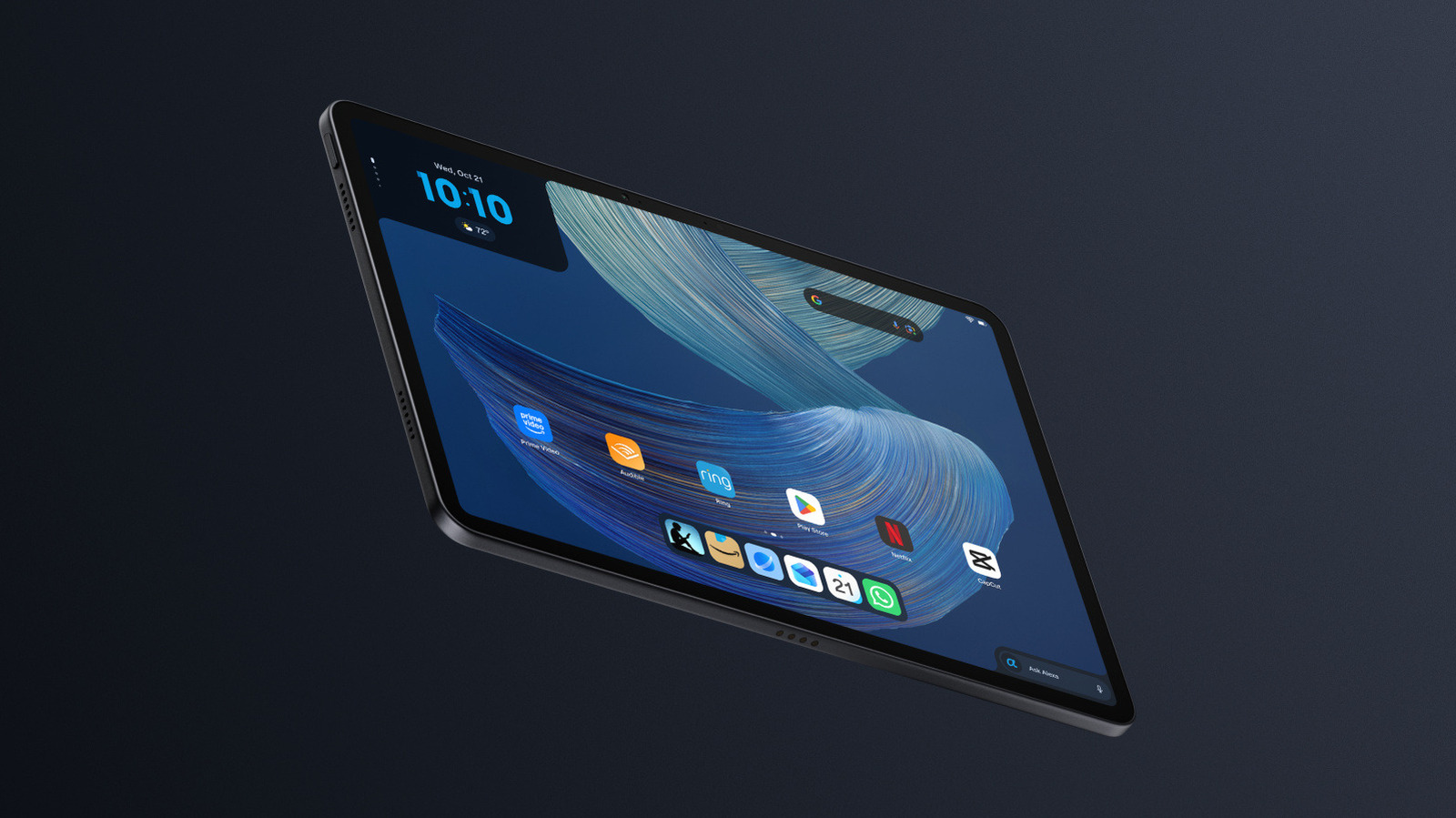
SpaceX has reportedly presented a prototype for an AI-interaction device to institutional investors and key stakeholders during a series of private meetings, according to a Wall Street Journal report citing people familiar with the matter. The hardware is described as thinner and sleeker than an Apple iPhone and represents a move into consumer technology for the aerospace company.
Elon Musk later used social media to dispute the reports, stating that the account is utterly false
.
The prototype is designed to run on a proprietary operating system and integrates AI models from xAI, a division SpaceX absorbed earlier this year. Sources indicate the device is powered by a Qualcomm Snapdragon chipset. This news led to gains for Qualcomm (NASDAQ:QCOM) shares. Apple (NASDAQ:AAPL) shares edged lower initially as the market considered a new premium device competitor, but the stock later recovered to end up 1.8%.
SpaceX has explicitly cautioned investors that the project is in its infancy. Sources noted the design is highly fluid and the company has not officially greenlit the device for commercial mass production.
Financial Tension and the xAI Merger
The move toward consumer AI follows SpaceX's acquisition of the xAI lab in February for $250 billion. In a post on the SpaceX website, Musk described the merger as the creation of a vertically-integrated innovation engine on (and off) Earth
, combining rockets, AI, space-based internet, and direct-to-mobile communications. He also pledged to launch one million satellites to serve as orbital AI data centers.
However, the financial health of this AI wing has drawn scrutiny. According to the SpaceX IPO prospectus, the AI segment generated $3.201 billion in revenue in 2025 but suffered operating losses of $6.355 billion. In the first quarter of 2026, the division generated $818 million in revenue against operating losses of $2.469 billion.
Brian Hurley, founder of the New Space Economy think tank, noted that the $250 billion price tag is difficult to justify based on financial performance alone, suggesting xAI may have been overvalued. Morningstar analysts Nicolas Owens and Suryansh Sharma added that the merger was not conducted at arm’s length
because Musk controlled both entities, creating a related-party conflict
.
Market Valuations and Risks
While SpaceX targets an IPO valuation of $1.5 trillion, Morningstar analysts independently determined the company's cash flow valuation to be $780 billion. They warn that the AI business poses a material threat of value destruction
and could lead to more than $80 billion in capital destruction.
The risks extend to the performance of the AI models themselves. Morningstar researchers stated that the Grok model, developed by xAI after it took over the X platform, has not shown significant performance advantages over competitors like OpenAI's ChatGPT or Google's Gemini. Furthermore, the X platform has seen profits drop as advertisers boycott the site over its tolerance of extreme political views.
Morningstar's modeling of the proposed orbital data centers includes a No Go
scenario, which they assign a 43% chance of occurring. In this scenario, the orbiting centers cannot economically compete with terrestrial versions.
Governance and Future Outlook
Because Elon Musk holds more than 80 percent of the overall voting power through super-voting class B shares, Brian Hurley noted that new IPO shareholders would have limited ability to block future related-party transactions or strategic pivots. This includes a potential future takeover of Tesla, which Hurley suggests could raise similar conflict concerns.
Despite these uncertainties, the core SpaceX business remains strong. Analysts point to the Starlink constellation of 10,000 satellites and the Starship super-capsule as proven technical achievements with measurable revenue.
As SpaceX prepares for its debut on the NASDAQ exchange, Hurley suggests the share price may rise initially due to hype. He advises potential investors to wait for the early volatility to subside and consider purchasing shares when insider shareholders begin selling their equity in the following weeks and months.
How significant is this development?
Participate in our community survey on the trajectory and real-world impact of this news.