SpaceX launches 24 Starlink satellites on Falcon 9 rocket from Vandenberg SFB
SpaceX continues to expand its broadband constellation with a series of Falcon 9 launches from California, deploying satellites to improve high-latitude coverage.
- Headline Dispatch: SpaceX launches 24 Starlink satellites on Falcon 9 rocket from Vandenberg SFB
- Core Takeaway: SpaceX continues to expand its broadband constellation with a series of Falcon 9 launches from California, deploying satellites to improve high-latitude coverage.
- Source Synthesis: Continuous live monitoring aggregated across major news wires and independent bureaus.
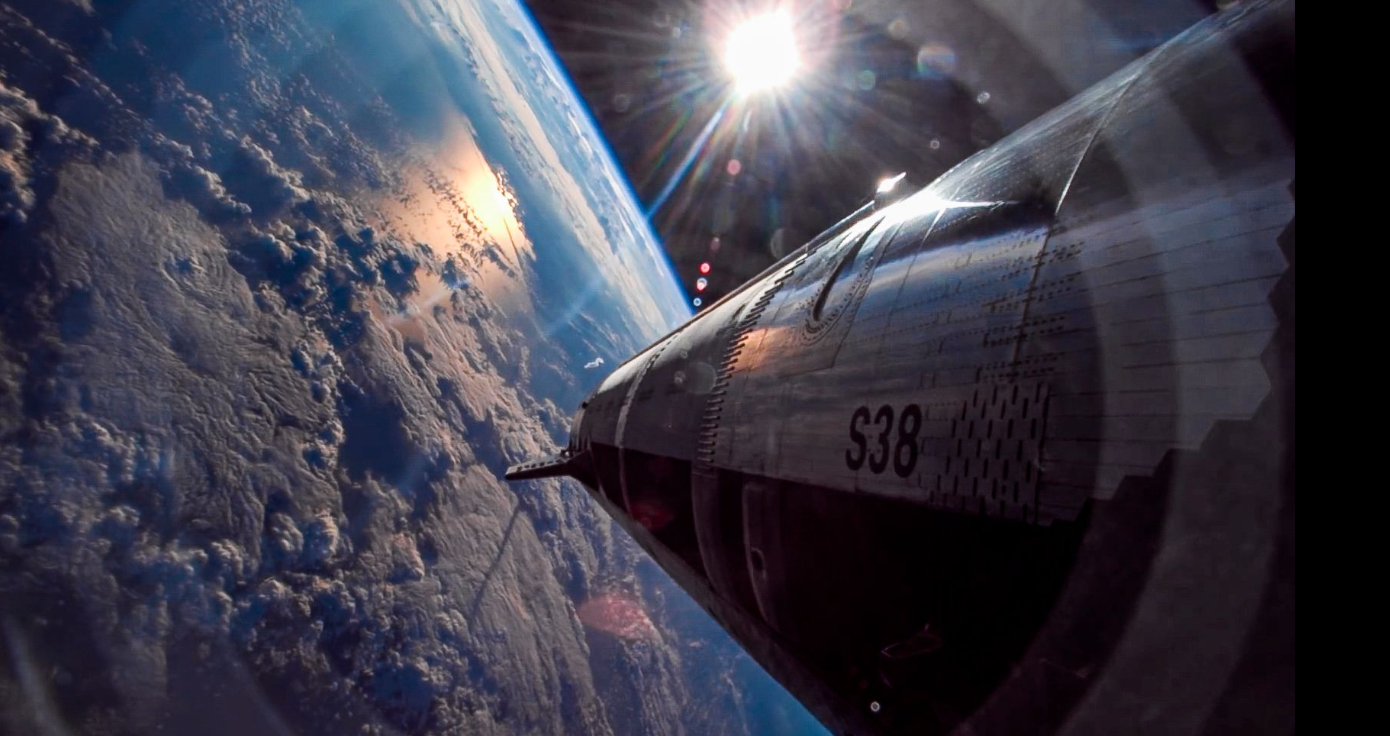
SpaceX launches 24 Starlink satellites on Falcon 9 rocket from Vandenberg SFB
SpaceX has continued the expansion of its global broadband internet constellation with a series of launches from Vandenberg Space Force Base in California. These missions, utilizing Falcon 9 rockets from Space Launch Complex 4 East, deploy satellites into polar or sun-synchronous orbits to provide coverage at higher latitudes that launches from Florida cannot efficiently reach.
In one recent operation, a Falcon 9 lifted off from the California coast at 8:23 p.m. PDT on April 22, 2026. The mission, designated Starlink Group 17-14, deployed 24 satellites approximately one hour after liftoff to increase capacity over the Pacific regions and the Americas. This specific payload featured the latest generation of satellites, which utilize improved laser inter-satellite links for faster data routing without total reliance on ground stations.
The deployment of these spacecraft brings the total number of Starlink satellites in orbit closer to 9,000. Other missions have contributed to this growth; for instance, the Starlink 17-10 mission added 24 satellites on Saturday, September 13, 2025, following a 10:55 a.m. PDT liftoff. According to orbital tracker Jonathan McDowell, that mission pushed the total number of satellites in low Earth orbit to more than 8,400.
The company's operational cadence relies heavily on the reuse of Falcon 9 first-stage boosters. For the September 13, 2025 mission, SpaceX used booster B1071 for its 28th flight. That booster had previously supported 16 Starlink batches, four rideshare missions, and five missions for the National Reconnaissance Office. It landed on the drone ship Of Course I Still Love You nearly 8.5 minutes after takeoff, marking the 151st successful recovery for that vessel.
While reuse is standard, SpaceX occasionally employs new hardware. On September 2, 2025, a brand-new first stage launched 24 satellites at 11:51 p.m. EDT. This booster successfully landed on the drone ship Just Read the Instructions approximately 8.5 minutes after liftoff. This flight was the 109th Falcon 9 mission of 2025, with more than 70% of those flights dedicated to Starlink.
Further activity continued into 2026. On July 1, 2026, the Starlink 17-46 mission launched at 7:57 p.m. PDT, representing the 77th Falcon 9 launch of that year. Another flight, Starlink Group 17-4, utilized booster B1093, which landed on the Of Course I Still Love You barge after its 5th flight.
The Starlink service now provides high-speed, low-latency internet to maritime operations, aviation, disaster response zones, and rural communities. It has proven particularly useful in remote parts of South America, Africa, the Pacific islands, and Ukraine. Founder and chief executive Elon Musk has described Starlink as a key revenue driver and a bridge to global connectivity, generating the cash flow necessary to fund the development of the Starship vehicle.
Despite the commercial success, the constellation has faced challenges. Astronomers have expressed concerns regarding satellite brightness interfering with ground-based observations. SpaceX has responded by using operational adjustments and darker coatings to mitigate the issue. Additionally, regulatory bodies continue to monitor radio frequency interference and the impact of the satellites on orbital debris.
The U.S. Space Force continues to support these frequent commercial operations at Vandenberg Space Force Base while managing national security launches. The base, established in 1941, has hosted 887 total rocket launches, with Space Launch Complex 4E accounting for 271 of those attempts.
SpaceX intends to maintain an aggressive schedule throughout 2026, planning dozens more launches from both California and Florida to move toward a total constellation numbering in the tens of thousands of satellites.
How significant is this development?
Participate in our community survey on the trajectory and real-world impact of this news.