Hamas agrees to Gaza disarmament and Israeli military withdrawal
Hamas and Israel have reached an agreement for the complete disarmament of armed groups in exchange for a phased military withdrawal from the enclave.
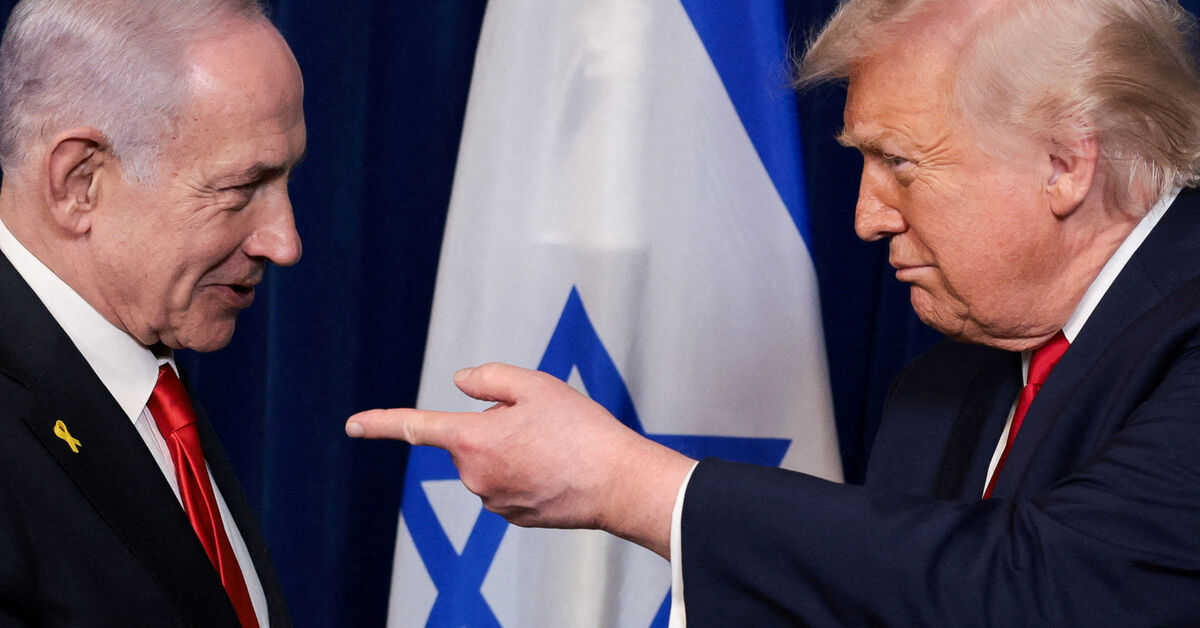
Hamas agrees to Gaza disarmament and Israeli military withdrawal
President Donald Trump announced Thursday, July 30, 2026, that the Board of Peace has reached an agreement for the complete disarmament of Hamas and other armed groups in Gaza. The deal involves a phased Israeli military withdrawal and the establishment of a new governing structure for the enclave.
Writing on Truth Social, Trump described the development as a major milestone
in the execution of his 20-Point Plan to end the conflict. The plan requires the Iran-backed group to surrender its weapons and destroy its network of tunnels. In return, Israeli forces will withdraw as disarmament proceeds, and an International Stabilization Force will coordinate with a new Palestinian police force to maintain security.
A senior Hamas official confirmed to the AFP news agency on Friday that an agreement was reached concerning weapons and the gradual withdrawal of Israeli troops. Ghazi Hamad, a member of the negotiating team, stated the group made concessions for the sake of our people in Gaza
to protect them from further displacement and killing. He noted that the agreement followed lengthy and difficult
negotiations that began approximately six months ago.
The disarmament process will be managed by the National Committee for Administration of Gaza (NCAG), a body established by the Board of Peace. According to Hamad, the NCAG will be the sole entity authorised to retain, store, or control weapons in Gaza
and will handle the cataloguing and storage of arms according to a set timetable. He emphasized that Israel will not intervene in the disarmament process.
The agreement is designed as an integrated framework
where the disarmament of Hamas and other armed groups is tied to the entry of the NCAG, the withdrawal of Israeli forces, reconstruction efforts, and the deployment of international forces. Hamad warned that if Israel does not implement its obligations, Hamas will not either.
The announcement comes during a period of high tension. On Thursday, Israeli strikes killed at least six Palestinians, including two children, according to medics. Since a ceasefire took effect on October 10, 2025, Israel has continued daily violations, killing 1,214 Palestinians and wounding 3,977 others, according to reports. Gaza's Health Ministry states that the overall Israeli offensive since October 2023 has killed more than 73,000 Palestinians and wounded more than 174,000 others. Some analysts suggest these figures are undercounts.
The conflict began after a Hamas-led attack on southern Israel on October 7, 2023, which killed around 1,200 people and resulted in 251 being taken hostage. Currently, the Israeli military controls more than 60 percent of the territory, leaving many Palestinians in damaged urban areas or tent camps.
To facilitate this new arrangement, Hamas announced earlier this month the dissolution of the body it used to govern Gaza for nearly two decades. This follows the group's control of the enclave since 2007, when it took power from Fatah. This shift clears the way for the NCAG, which has not yet entered Gaza, to implement civilian rule.
While the Trump administration cast the deal as a critical step toward a new Palestinian government, some Israeli officials have expressed dissatisfaction, stating the proposed terms are not satisfactory. Neither the Israeli government nor Hamas gave an immediate indication of total agreement at the time of the White House announcement.
Implementation details and a specific timetable will be discussed with mediators over the coming days. Hamad estimated that this process will take about 14 days or longer to finalize the mechanisms for carrying out the deal.