Russian drone hits Kyiv-Warsaw passenger train near Polish border
A Russian drone hit the engine carriage of a Kyiv-Warsaw passenger train just two kilometres from the Polish border following a massive overnight aerial barrage.
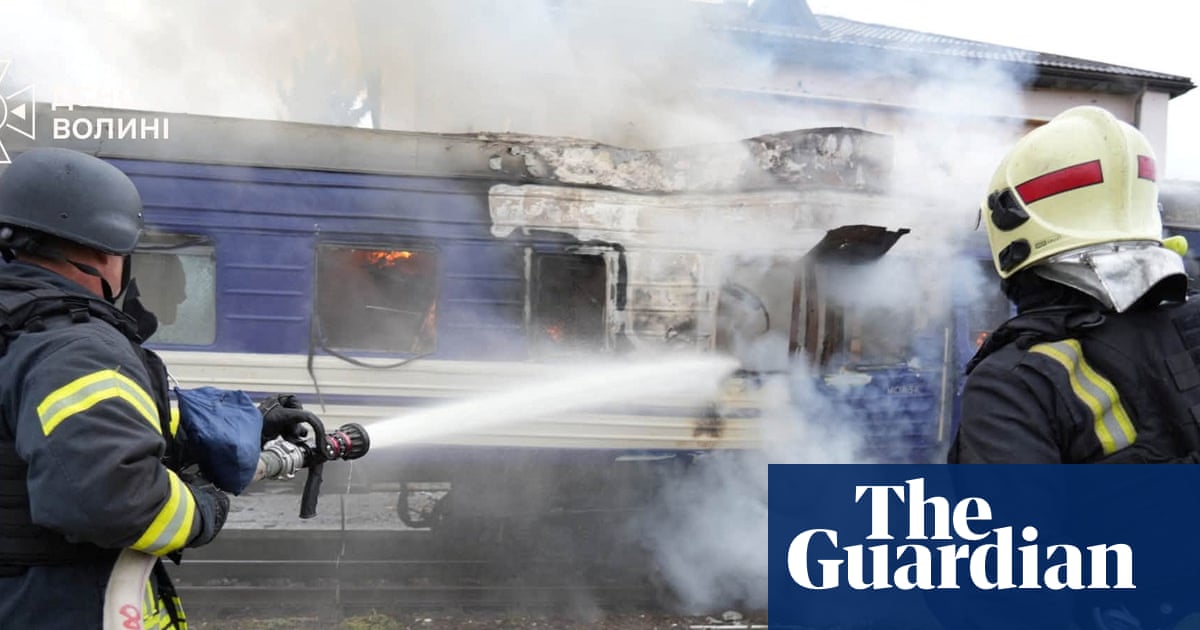
A passenger train operating the route from Kyiv to Warsaw suffered a direct drone strike by Russian forces just two kilometres from the Polish border. The escalating aerial assault brought the conflict directly to the threshold of the European Union and the North Atlantic Treaty Organization, drawing severe condemnation from regional leaders and triggering emergency security protocols in Warsaw.
The incident unfolded during one of the largest nighttime drone barrages launched by Russia in months. According to Ukraine's air force, the offensive involved more than four hundred and fifty drones and missiles targeting infrastructure across the country. While Ukrainian air defenses intercepted a vast majority of the incoming projectiles, western regions that typically experience fewer frontline disruptions sustained heavy damage.
The Train Strike and Border Chaos
The targeted locomotive was operating near the Yahodyn-Dorohusk border crossing. Passengers aboard the Warsaw-bound service received advance warnings from railway conductors, who anticipated high-risk security threats along the route. Officials ordered multiple evacuations throughout the journey, instructing travellers to shelter near local terrain before the drone impact demolished the stationary engine carriage.
| Incident Detail | Information |
|---|---|
| Location | Near Yahodyn border crossing, Volyn Oblast (two kilometres from Poland) |
| Casualties | None reported (train evacuated prior to strike) |
| Scale of Barrage | Over 450 Russian drones and missiles launched overnight |
| Regional Impact | Strikes hit gas stations, trucks, and railway infrastructure |
Among those stranded or disrupted in the border zone were high-ranking international figures and diplomatic delegations. Estonian Foreign Minister Margus Tsahkna and members of his ministry delegation found themselves trapped at the crossing unable to leave Ukraine due to the persistent aerial threat. Ukrainian Railways noted that a separate diplomatic train carrying security advisers, former British Prime Minister Boris Johnson, and former CIA chief David Petraeus had departed the area shortly before the strike occurred, raising suspicions regarding potential high-profile targeting.
Political Fallout and Warnings from Warsaw
Polish Prime Minister Donald Tusk chaired an emergency cabinet meeting in response to the proximity of the strikes. Tusk warned that intelligence agencies from Poland and allied nations had anticipated attempts by Moscow to disrupt, paralyze, and destroy Ukrainian border infrastructure. Polish Armed Forces operational command representatives confirmed that the threat to national security is entirely real, with drones operating mere kilometres from sovereign Polish airspace.
"This is Putin’s terror knocking directly on the doors of the EU and Nato. Russian barbarians are at your gate, dear partners."
Andrii Sybiha, Ukraine’s foreign minister, via X and The Guardian
Ukrainian Foreign Minister Andrii Sybiha urged Western allies to move beyond half-measures. In public statements following the attack, Sybiha demanded the implementation of an uncompromising trade embargo, comprehensive entry bans, and total sanctions targeting the Russian military-industrial complex. Polish Interior Minister Marcin Kierwiński echoed these sentiments, declaring that Warsaw monitors the situation continuously and treats Russia as an enemy of the free world.
Broader Diplomatic and Economic Pressures
The border attack coincided with broader international friction surrounding the trajectory of the four-year-old conflict. Kremlin spokesperson Dmitry Peskov acknowledged that Russian forces expanded their targeting strategy to strike infrastructure indiscriminately after Kyiv initiated deep-strike campaigns against economic assets within Russia. Meanwhile, discussions regarding potential peace talks continue to develop in the background, with Ukrainian officials preparing for possible three-sided negotiations involving the United States.
Economic fallout from the dual campaigns against energy assets has likewise drawn friction from Washington. United States President Donald Trump publicly urged Ukrainian leadership to halt strikes on Russian diesel refineries, citing severe fuel shortages for domestic agricultural operators harvesting critical crops like corn and soybeans. Concurrently, diplomatic tensions expanded beyond the immediate European theatre as Japanese Prime Minister Sanae Takaichi demanded the removal of a controversial Soviet-era granite monument featuring a soldier shattering a border post bearing the imperial Chrysanthemum emblem—a demand swiftly rejected by Moscow.
As railway operators evaluate structural damage to the Volyn region transport links, Ukrainian and Polish border authorities maintain heightened security postures. State border guards warned that persistent Russian aggression could force the temporary closure of the Yahodyn crossing if regional security deteriorates further in the coming weeks.


