Iran Sets Conditions For US War Talks Amid Ongoing Regional Escalation
Iran Sets Conditions For US War Talks Amid Ongoing Regional Escalation
- Headline Dispatch: Iran Sets Conditions For US War Talks Amid Ongoing Regional Escalation
- Core Takeaway: Iran Sets Conditions For US War Talks Amid Ongoing Regional Escalation
- Source Synthesis: Continuous live monitoring aggregated across major news wires and independent bureaus.

Iran has formally outlined its terms to the United States for resuming negotiations aimed at resolving the ongoing military conflict, according to security chief Mohsen Rezaei. The proposal, conveyed through Qatari and Pakistani mediators and awaiting a response from Washington, insists upon a cessation of hostilities across all fronts, the unfreezing of Iranian funds, and the termination of the naval blockade that has choked the nation's economy.
The diplomatic overtures coincide with widening hostilities across the Middle East. Plumes of black smoke and flames were visible near the main airport in Riyadh on Saturday, accompanied by explosions in the capital's Olaya district. Saudi authorities issued and subsequently lifted overnight emergency alerts warning of hostile aerial threats, while Yemen's Houthi rebels claimed responsibility for strikes utilizing ballistic missiles and drones against sensitive sites in Riyadh and an Aramco facility in Yanbu. The United Nations Security Council has condemned the Houthi escalation, warning that such attacks threaten regional stability and maritime security.
Financial Sanctions and Banking Restrictions
Economic penalties against Tehran continue to tighten on multiple fronts. United States President Donald Trump signed legislation titled the Lindsey O. Graham Sanctioning Russia and Iran Act of 2026, which extends the existing Iran Sanctions Act for an additional five-year term through 2031. The statute maintains Washington's authority to penalize foreign companies and individuals engaging with Iran's energy sector, including entities involved in purchasing, transporting, insuring, or financing Iranian petroleum.
Concurrently, Turkey's Banking Regulation and Supervision Agency revoked the operating license of the Istanbul branch of Iran's Bank Mellat, citing threats to depositor rights and financial system stability. Bank Mellat has faced long-standing Western sanctions due to its financial backing of the Iranian government and reported ties to the paramilitary Revolutionary Guard Corps.
| Measure / Entity | Action Taken | Details |
|---|---|---|
| Bank Mellat (Istanbul Branch) | License Revoked | Turkish banking watchdog cited stability risks under Article 71b |
| Iran Sanctions Act | Extended | Prolonged for five years until 2031 under new US legislation |
| Strait of Hormuz Traffic | Declined | Daily transits fell to approximately 26–35 vessels from previous averages |
Maritime Disruptions and Energy Impacts
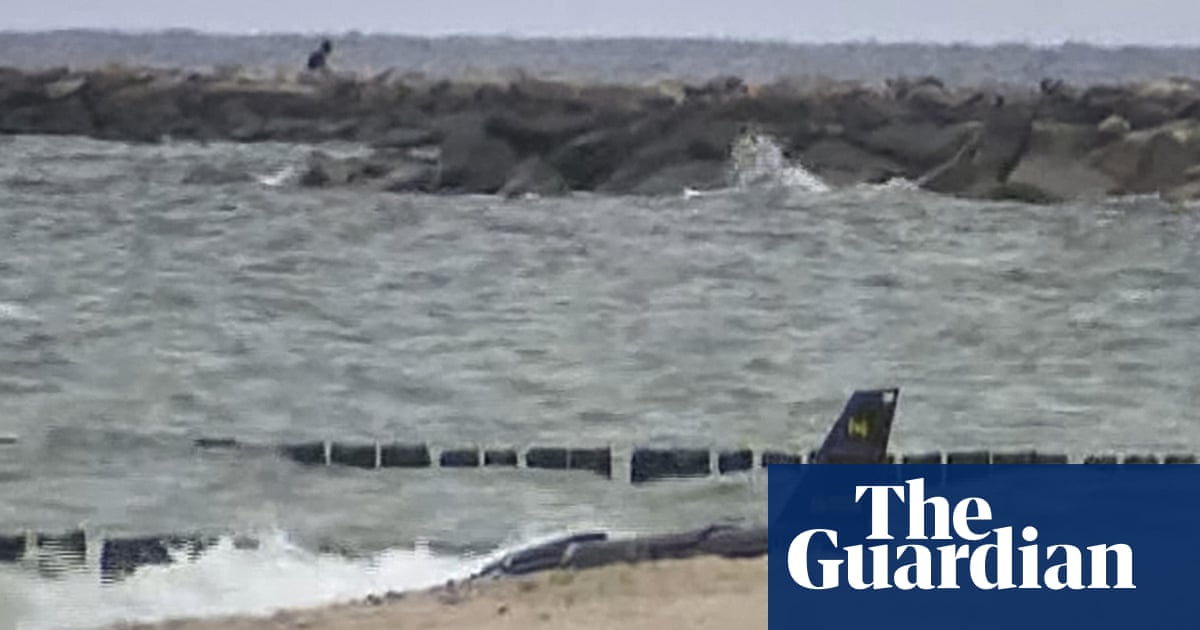
Control over vital waterways remains fiercely contested. The Revolutionary Guard Corps navy asserted that the Togo-flagged oil tanker Trend was struck following an unauthorized attempt to transit the Strait of Hormuz, a passage Tehran has sought to dominate since the outbreak of hostilities. Separately, the United Kingdom Maritime Trade Operations reported that another tanker was struck by an unknown projectile near the same passage.
Shipping volumes through the Bab el-Mandeb Strait have dropped amid regional insecurity. Maritime risk analysts note that daily transits have fallen below historical averages as commercial operators navigate heightened threat levels, exerting upward pressure on global energy prices and transportation costs.
Domestic Unity Displays and Security Crackdowns
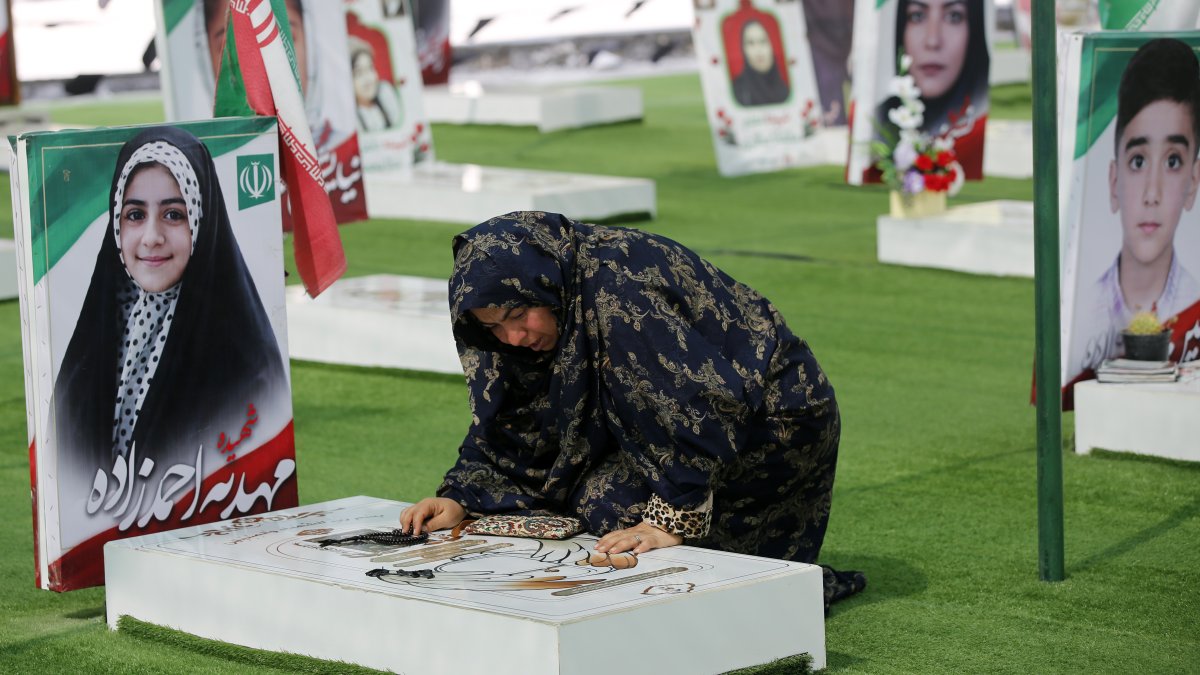
Within Iran, the government sought to project resolve as hundreds of thousands of citizens participated in state-organized demonstrations in Tehran under the banner of national defense. Iranian President Masoud Pezeshkian called for national cohesion to withstand external pressures, while security officials condemned domestic criticism of diplomatic efforts.
Simultaneously, state media reported the execution of a man convicted of passing classified intelligence regarding military sites to Israel's Mossad intelligence service. Human rights groups have voiced international concern over a rising surge of executions inside the country.
Next Steps and Diplomatic Calendar
Diplomatic focus shifts toward New York, where international leaders are scheduled to gather for the United Nations General Assembly. US Ambassador to the UN Mike Waltz announced that President Trump will address the assembly regarding ongoing conflicts in Iran and Gaza, alongside scheduled multilateral meetings with Gulf Arab leaders, British Prime Minister Andy Burnham, and Japanese Prime Minister Sanae Takaichi. Additionally, Pakistani Foreign Minister Ishaq Dar and Iranian Foreign Minister Abbas Araghchi agreed to maintain bilateral consultations on the sidelines of the UN meetings to address regional stability and energy supply routes.
How significant is this development?
Participate in our community survey on the trajectory and real-world impact of this news.