Two dead in Moscow region, drones hit oil refinery in Russian capital
An unprecedented drone assault struck the Moscow region and a capital oil refinery, leaving two dead and forcing evacuations during parliamentary voting.
- Headline Dispatch: Two dead in Moscow region, drones hit oil refinery in Russian capital
- Core Takeaway: An unprecedented drone assault struck the Moscow region and a capital oil refinery, leaving two dead and forcing evacuations during parliamentary voting.
- Source Synthesis: Continuous live monitoring aggregated across major news wires and independent bureaus.
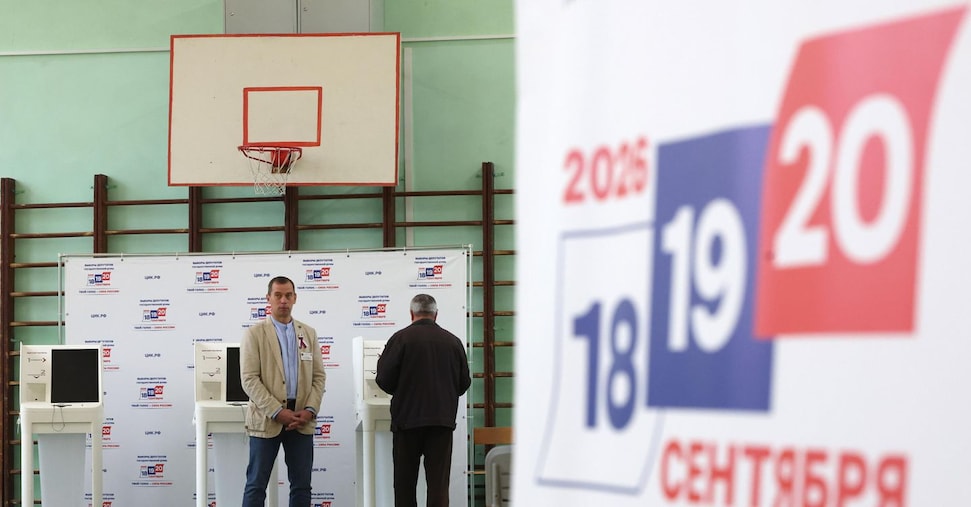
Hundreds of drones targeted Moscow and the surrounding capital region in the early hours of Sunday, 20 September 2026. The assault caused at least two deaths and inflicted damage upon a major oil refinery, unfolding on the third and final day of Russia's parliamentary elections. According to Moscow Mayor Sergei Sobyanin, the operation marked the largest drone attack ever faced by the Russian capital.
The Scale of the Air Assault and Casualties
Local authorities reported massive aerial interceptions across multiple fronts. Moscow’s regional governor, Andrei Vorobiov (also referred to as Andrey Vorobyov), stated that air defenses shot down 249 drones in the region surrounding the capital, triggering damage across several residential sectors. In a separate residential incident, a drone crashed into a 21-storey building, sparking a fire that forced the evacuation of 400 people.
The regional governor confirmed that two people died in separate locations: a 44-year-old woman and an elderly man. Reuters witnesses reported hearing explosions in Moscow and observing plumes of smoke rising from the refinery site, though the precise extent of the physical damage to the facility remained unclear immediately following the strike.
| Official Source | Reported Interceptions (Moscow-bound / Total) | Reported Casualties & Impacts |
|---|---|---|
| Sergei Sobyanin (Mayor of Moscow) | 450 aimed at Moscow / Over 1,600 total across fronts | Facility at Moscow oil refinery damaged; no immediate casualties reported at the plant; one residential drone strike. |
| Andrei Vorobiov (Governor of Moscow Region) | 249 downed in the surrounding region | Two deaths (a 44-year-old woman and an elderly man); 400 people evacuated from a 21-storey building after a fire. |
Political Context: Parliamentary Elections and Kremlin Control
The Sunday onslaught coincided with the conclusion of a three-day voting period for Russia's first parliamentary elections since the launch of the large-scale military offensive against Ukraine in February 2022. Only political parties supporting President Vladimir Putin and the Kremlin's military campaign were permitted to run, with voting also organized in occupied regions of Ukraine. Kyiv has dismissed the entire electoral process as a "pseudo election."
"The unprecedented attack was clearly planned with the aim of disrupting the elections. The enemy did not succeed"
Sergei Sobyanin, Mayor of Moscow, via Telegram and Reuters
Mayor Sobyanin asserted that the aerial campaign was explicitly timed to derail the voting. President Vladimir Putin similarly accused Ukraine of attempting to interfere with the electoral process, pointing to a separate reported strike in the Russian-controlled part of Ukraine's Zaporizhzhia region that killed local election official Elena Astanina. Kyiv did not comment on either the drone assaults or the Zaporizhzhia incident, maintaining its stance that neither side targets civilians.
Independent analysts and opposition figures note that while the ruling United Russia party is expected to maintain its dominance, the vote serves as a gauge for domestic war fatigue. Nikolai Rybakov, leader of the permitted liberal Yabloko party, cast a ballot bearing the slogan "For peace" in a symbolic act of dissent.
Infrastructure Impact and Broader Energy Campaign
The facility within the Moscow oil refinery complex targeted on Sunday has repeatedly come under Ukrainian drone strikes in recent months. Kyiv has steadily intensified its long-range drone campaign against Russian energy infrastructure, seeking to choke off a vital revenue stream funding the Kremlin's military operations, now entering its fifth year.
These persistent strikes have impacted Russia's overall refining capacity, contributing to fuel price increases, product shortages, and long queues at filling stations across multiple time zones.
Next Steps
Initial election results are anticipated to begin emerging around 1800 GMT on Sunday, 20 September 2026, with more comprehensive vote tallies expected on Monday, 21 September 2026. Meanwhile, emergency services remain deployed at the damaged refinery and residential sites across the Moscow region as local authorities assess the structural fallout from the capital's largest drone attack to date.
How significant is this development?
Participate in our community survey on the trajectory and real-world impact of this news.