NATS technical issue disrupts UK flights
A technical fault in the NATS flight data processing system caused widespread flight cancellations and delays across major UK airports.
- Headline Dispatch: NATS technical issue disrupts UK flights
- Core Takeaway: A technical fault in the NATS flight data processing system caused widespread flight cancellations and delays across major UK airports.
- Source Synthesis: Continuous live monitoring aggregated across major news wires and independent bureaus.
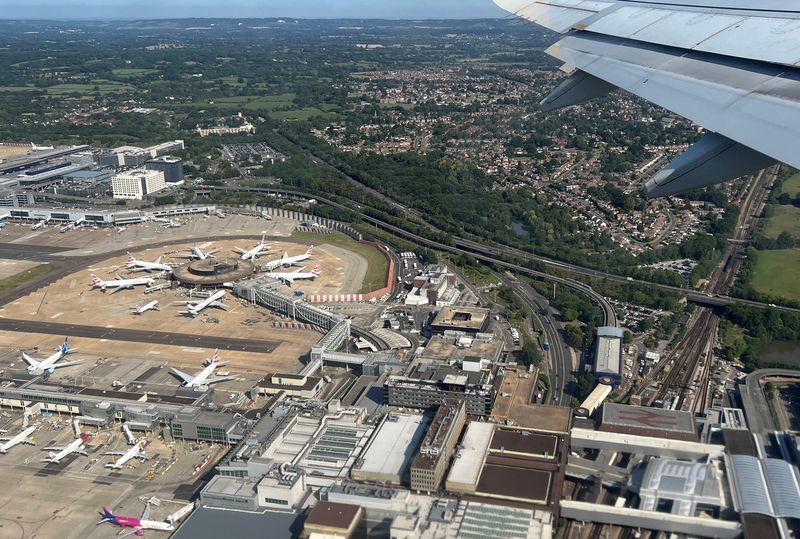
Infrastructure Glitch Halts UK Skies
A technical fault within the flight data processing system of British air traffic control provider NATS triggered widespread flight cancellations and delays across the United Kingdom on Tuesday, September 8, 2026. The disruption renewed intense scrutiny regarding the resilience of the nation's aviation infrastructure, arriving as the latest in a recurring series of system failures. Airports including Heathrow, Gatwick, Stansted, Manchester, London City, Luton, Edinburgh, and Bristol all experienced significant bottlenecks.
According to flight-tracking data and industry analytics, close to a thousand flights suffered disruption. FlightAware data showed that hundreds of departures were delayed across multiple facilities, while hundreds of incoming arrivals faced similar delays or cancellations. Heathrow Airport, the largest aviation hub in the country, experienced severe impacts. Heathrow confirmed that arrivals to the airport were suspended for the remainder of Tuesday, and while departures later resumed, authorities warned that disruption would persist.
| Airport / Metric | Impact Details |
|---|---|
| Heathrow Airport | Arrivals suspended for the remainder of Tuesday; departures resumed with ongoing delays. 38 of 661 scheduled arrivals cancelled or unable to operate. |
| British Airways | Most affected carrier at Heathrow, cancelling 16 of 333 scheduled departures. |
| Ryanair | Around 150,000 passengers affected by delays of up to eight hours; more than 200 flights cancelled. |
| Flight-Tracking Data (Six Major Airports) | Approximately 490 departures delayed and about 525 arrivals either cancelled or delayed across six monitored airports. |
NATS Response and Restoration Timeline
The disruption began during the afternoon after NATS reported a technical failure affecting its core data processing network. Throughout the incident, NATS maintained that safety was not compromised. Engineers worked throughout the afternoon and evening to stabilize the network.
NATS announced that the issue affecting its flight data processing system had been resolved at 1934 BST (1834 GMT). Despite the technical fix, clearing the resulting backlog proved exceptionally difficult. NATS stated that recovery from the system issue took longer than anticipated, describing the event as a very complex recovery that created difficulties for the entire aviation network.
"Recovery from today’s system issue has taken longer than we had hoped. Our system issue is now resolved, we are operating normally and working as hard as possible to clear the backlog of flights"
NATS, via Reuters
NATS Chief Executive Martin Rolfe told Sky News that the organization had not yet fully completed its investigation to pinpoint the precise root cause of the failure. Rolfe acknowledged that officials did not yet have an exact understanding of what went wrong within the infrastructure.
Industry Backlash and Carrier Outcry
The incident drew sharp condemnation from major European airlines, which questioned whether Britain's air traffic control system is fit for purpose. Aviation experts noted that air traffic control operates as a tightly timed system in Europe's exceptionally busy airspace. According to aviation analyst John Strickland, even a relatively short outage causes enormous consequences because delays cascade rapidly through tightly scheduled airline networks.
Ryanair issued a scathing statement attacking leadership at the national provider. Ryanair Chief Operating Officer Neal McMahon openly called for the resignation of NATS Chief Executive Martin Rolfe, citing repeated mismanagement. Ryanair reported that approximately 150,000 of its passengers were affected by delays stretching up to eight hours, alongside the cancellation of more than 200 flights.
Wizz Air echoed these frustrations, demanding urgent structural reform. Wizz Air argued that a critical national infrastructure provider should not repeatedly bring the aviation system to a standstill, stating that airlines, passengers, and airports should not continually bear the financial and logistical consequences of recurring failures.
British Airways also pointed to severe operational repercussions. The carrier noted that the severity of the issue guaranteed a significant knock-on impact for both customers and flight crews as schedules unraveled.
Regulatory Scrutiny and Historical Context
Britain's aviation regulator stepped in following the chaos. The Civil Aviation Authority announced that it expects NATS to deliver a comprehensive, full report detailing Tuesday's incident. The regulator stated it will subsequently consider whether further steps must be taken to secure the reliability and safety margins of the UK air traffic control network.
This latest event recalls previous infrastructure breakdowns. In 2024, the Civil Aviation Authority formally required NATS to review its contingency plans for outages following a 2023 failure in the automatic processing of flight plans that caused widespread airport chaos across Britain. Airline bosses previously estimated that the 2023 outage cost carriers upwards of £100 million ($135.49 million) in refunds and compensation. Additionally, in July of the preceding year, a radar-related technical issue disrupted flights for more than four hours across major London airports and other hubs.
Passenger Rights and What Happens Next
As terminals filled with stranded travelers, consumer guidance focused on navigating delays and cancellations. While Eurocontrol warned that disruption could continue into the evening across London, southern England, and Wales, NATS advised passengers to check directly with their airlines for up-to-the-minute updates.
Travelers were urged to maintain check-in routines and monitor airline apps, emails, and text messages. Under UK passenger rules, qualifying travelers facing lengthy delays are entitled to food and drink provisions based on flight distance. Stranded overnight passengers may also qualify for hotel accommodation and transport assistance, with travelers advised to secure receipts for reasonable expenses.
Passengers enduring delays of at least five hours retain the option to abandon travel entirely and request a full refund for the affected flight. Cash compensation rules remain subject to the specific cause of the disruption. Eligible passengers arriving more than three hours late can sometimes receive between £220 and £520, though airlines are exempt from payouts if extraordinary circumstances apply. Because an air traffic control failure may qualify under extraordinary circumstances depending on its precise root cause, compensation is not automatically guaranteed.
Looking ahead, operations will remain strained as aircraft and flight crews stay out of position following earlier ground stops. Travelers departing from affected airports are advised to continue monitoring airline advisories for schedule adjustments while regulatory authorities await the official NATS incident report.
How significant is this development?
Participate in our community survey on the trajectory and real-world impact of this news.