Oman proposes fee plan for ships using Strait of Hormuz despite US opposition
Oman has submitted a proposal to charge commercial vessels for navigation and security services in the Strait of Hormuz, which the US has rejected.
- Headline Dispatch: Oman proposes fee plan for ships using Strait of Hormuz despite US opposition
- Core Takeaway: Oman has submitted a proposal to charge commercial vessels for navigation and security services in the Strait of Hormuz, which the US has rejected.
- Source Synthesis: Continuous live monitoring aggregated across major news wires and independent bureaus.

Oman proposes fee plan for ships using Strait of Hormuz despite US opposition
Oman has submitted a formal proposal to the United States and Western allies to implement service fees for commercial vessels transiting the Strait of Hormuz, according to reports. The move comes as the region attempts to stabilize following a war between the US and Iran that saw the strategic waterway blockaded for 10 weeks after a US-Israeli attack on Iran in February.
The proposal suggests a framework where shipping companies would pay for services related to navigation and maritime security. Oman's Foreign Minister Badr al-Busaidi has argued that while charging ships simply to transit the strait would be unlawful, payments for services provided by coastal states are a distinct matter.
The plan draws inspiration from the Straits of Malacca and Singapore, where a private foundation receives voluntary contributions to support safe navigation. However, the nature of the payments remains a point of contention. A regional diplomat stated the fees would be voluntary, but an Iranian official maintained that payments would be mandatory.
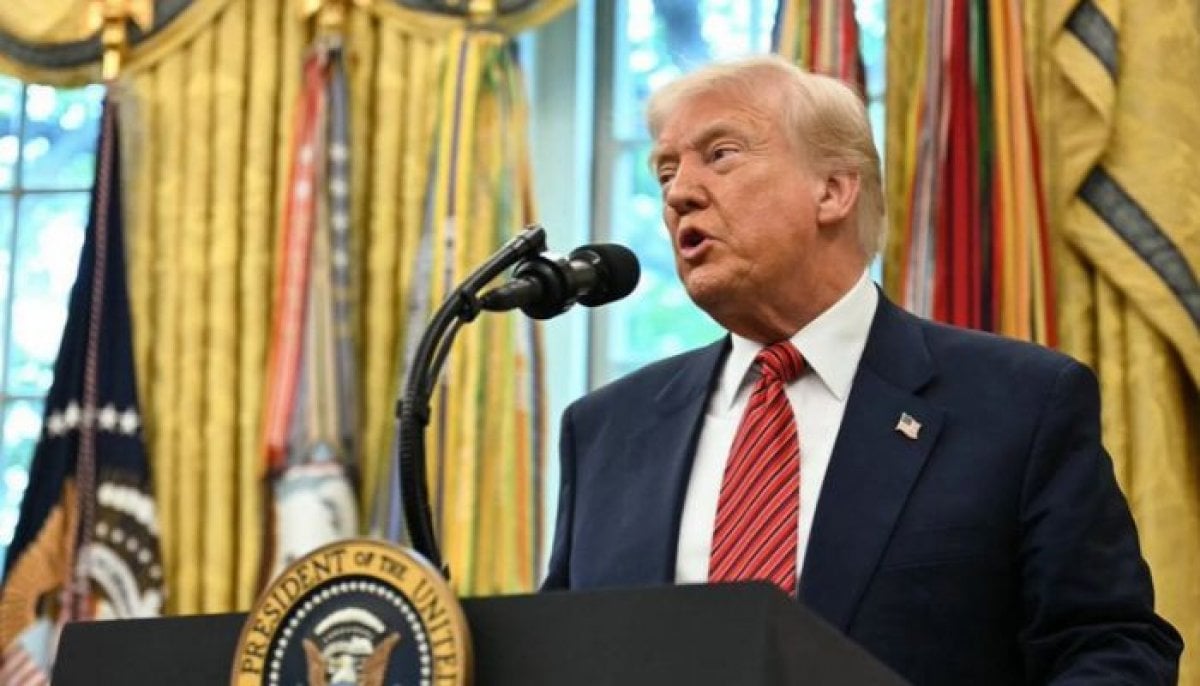
Washington has consistently rejected any effort to monetize the shipping route. US President Donald Trump described any proposal involving transit fees or tolls as unacceptable
and previously stated that no one who pays an illegal toll will have safe passage on the high seas
.
In a more aggressive outburst, Trump stated that the strait is international waters and would be open to everybody
, adding that Oman will behave just like everybody else, or we’ll have to blow them up
.
US Secretary of State Marco Rubio reiterated this stance, saying the US would oppose the monetization of the route regardless of whether it was called 'a fee or a toll or a donation.'
Rubio emphasized that the US wants the straits to return to how they looked before the conflict.
Iran, however, views the waterway differently. Foreign Minister Abbas Araghchi defined the Strait of Hormuz as an exclusively Omani-Iranian waterway, asserting there are no international waters between them. Araghchi stated that the strait would not return to its pre-war status of free passage.
Tehran has already established the Persian Gulf Strait Authority (PGSA) as of 5 May, intending for it to be a revenue-generating stream. The PGSA currently requires ships to register by email for routing information and permission to pass, with fees set at roughly a dollar a barrel, payable in Iran's national currency.
Iranian Deputy Foreign Minister Kazem Gharibabadi stated that Tehran's priority is to develop a joint mechanism with Oman, but warned that Iran would move ahead independently if no agreement is reached. Mehdi Mohammadi, a senior adviser to Iran's chief negotiator, argued on social media that there is no free service anywhere in the world
, regardless of whether it is called a toll or a security fee.
The proposal emerges during a fragile 60-day interim deal between the US and Iran. This agreement calls for Tehran to dilute its enriched uranium stockpile and for the US to waive oil sanctions. While the deal guarantees free commercial passage for the 60-day negotiation period, it also mandates that Iran and Oman develop a long-term plan for the strait.
Other regional and global players have expressed skepticism or opposition:
- Saudi Arabia: Foreign Minister Faisal bin Farhan questioned why the region should accept a
novel arrangement
imposed as a result of a conflict. - China: According to Donald Trump, China agreed there should be no tolls. The Chinese foreign ministry stated it simply wants the blockades to end.
- European Allies: France and the UK have prepared a rival plan based on freedom of navigation, which reportedly has the support of most Gulf states.
The financial arrangements are further complicated by US sanctions. Western diplomats suggest that requiring ships to set up rial accounts to pay fees could violate UN sanctions prohibiting funds from being sent to the Islamic Revolutionary Guard Corps (IRGC).
Security remains volatile. While Oman and the International Maritime Organization (IMO) recently designated a safe navigation corridor through Omani waters, the IMO suspended an operation to assist stranded ships after Iran reportedly attacked a cargo vessel in the strait.
On 30 June, US envoys Steve Witkoff and Jared Kushner arrived in Doha, Qatar, for talks with mediators regarding the implementation of the initial peace deal. They are not scheduled for direct negotiations with Iranian diplomats. Formal talks between Tehran and Muscat on the future management of the strait are expected to begin in the coming days.
How significant is this development?
Participate in our community survey on the trajectory and real-world impact of this news.