Papua separatists kill American pilot in attack on civilian plane
The West Papua National Liberation Army (TPNPB) shot dead an American pilot and burned a civilian aircraft in Yahukimo, claiming the plane was assisting Indonesian military logistics.
- Headline Dispatch: Papua separatists kill American pilot in attack on civilian plane
- Core Takeaway: The West Papua National Liberation Army (TPNPB) shot dead an American pilot and burned a civilian aircraft in Yahukimo, claiming the plane was assisting Indonesian military logistics.
- Source Synthesis: Continuous live monitoring aggregated across major news wires and independent bureaus.
Papua separatists kill American pilot in attack on civilian plane
Separatist rebels in Indonesia’s easternmost region of Papua shot dead an American pilot and burned a civilian aircraft on July 2, 2026. The West Papua National Liberation Army (TPNPB) described the attack as a message
to the governments of the United States and Indonesia.
The pilot, identified by TPNPB spokesperson Sebby Sambom as Nicholas F Gosselin, was killed after his plane landed in Balinggama village in the Yahukimo region of Highland Papua province. The aircraft, operated by the airline PT AMA, had flown from Wamena. According to the airline's website, PT AMA transports mail, fuel and food to remote villages.
The TPNPB claims the aircraft had been frequently dropping Indonesian military personnel
and violated a group ultimatum banning civilian flights in rebel-controlled red zones
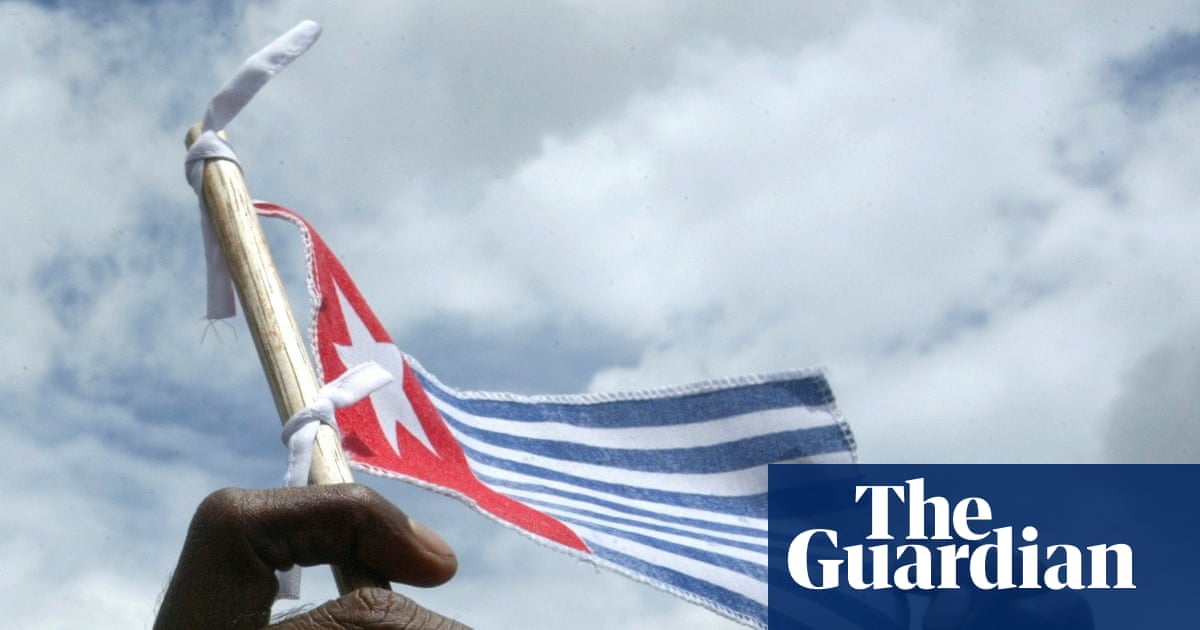
. In a video sent by the TPNPB, rebels carrying axes and guns raised the Morning Star flag, a symbol of independence, while announcing the attack.
The Indonesian military denied that the aircraft was used to transport troops. Military spokesman Lieutenant Colonel Wirya Artadiguna stated the seven passengers on board were indigenous Papuan civilians, including three women, and that they were unharmed.
Indonesian officials confirmed the plane was found burned at a Yahukimo airport. However, spokesperson Yusuf Sutejo, representing joint police-military operations, initially stated he could not confirm if rebels attacked the plane or if the pilot had been killed. He noted that efforts to verify the condition of those on board were complicated by the terrain, as the site has no road access and is only reachable by air.
The Directorate General of Civil Aviation reported that communications with personnel at the airstrip were lost after the pilot reported landing. While the agency stated no security concerns were raised during the approach, initial reports from the director of the departure airport indicate the pilot died.
An evacuation team attempted to reach the site on July 2 but was forced to turn back due to poor weather. Lieutenant Colonel Wirya Artadiguna said authorities planned another attempt on the morning of July 3.
Sebby Sambom called on the United Nations to facilitate talks between the TPNPB, Papuan representatives and the Indonesian government. He further urged Indonesian President Prabowo Subianto to open international negotiations to resolve the conflict, which he says has lasted 64 years and caused mass displacement and civilian deaths.
The TPNPB warned it would continue to target civilian aircraft believed to be assisting Indonesian military logistics. Sambom stated that if Indonesian officials wish to claim the pilot's body, they must do so without police or military accompaniment.
This incident follows a series of attacks targeting foreign pilots in the region. In August 2024, TPNPB gunmen killed Glen Malcolm Conning, a New Zealand pilot for PT Intan Angkasa Air Service, after he landed in the Mimika district. Previously, in February 2023, pilot Philip Mark Mehrtens of New Zealand was abducted by the Free Papua Movement in Nduga; he was freed in September 2024 after negotiations between Jakarta and Wellington.
The region's conflict stems from its 1969 incorporation into Indonesia via a UN-sponsored ballot known as the Act of Free Choice
. While Indonesia maintains the resolution affirmed its sovereignty, international observers and rebels have dismissed the referendum as coerced and unrepresentative. In 1969, 1,026 hand-picked West Papuans voted to remain with Indonesia.
While the cause has gained support from the Marshall Islands, Tuvalu and Vanuatu, a 2017 petition signed by 1.8 million West Papuans was rejected by the UN decolonization committee. Separatists claim more than half a million people have been killed during the insurgency, and Indonesia is frequently accused of human rights abuses, which the government denies.
The US embassy in Jakarta and the State Department have been contacted for comment but have not yet responded.
How significant is this development?
Participate in our community survey on the trajectory and real-world impact of this news.