Trump Downplays Iran Conflict As Small Potatoes Amid Strait Of Hormuz Tensions
President Donald Trump minimized the military conflict with Iran as "small potatoes" even as Strait of Hormuz disruptions drove regular gasoline to $4.15 per gallon.
- Headline Dispatch: Trump Downplays Iran Conflict As Small Potatoes Amid Strait Of Hormuz Tensions
- Core Takeaway: President Donald Trump minimized the military conflict with Iran as "small potatoes" even as Strait of Hormuz disruptions drove regular gasoline to $4.15 per gallon.
- Source Synthesis: Continuous live monitoring aggregated across major news wires and independent bureaus.

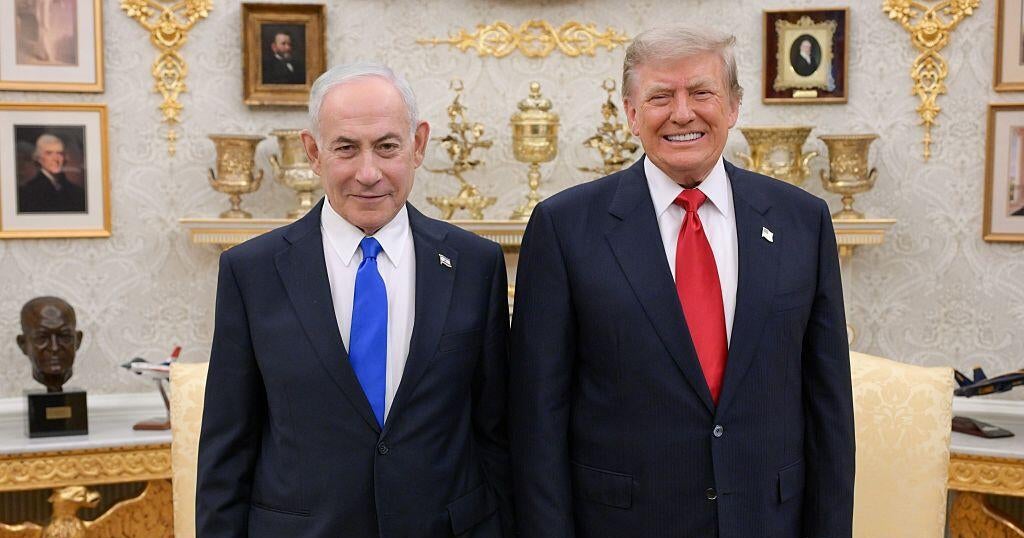
Global tensions surrounding the Strait of Hormuz remained high as United States leadership publicly minimized the scope of the ongoing military campaign against Iran. Speaking to reporters at the White House, President Donald Trump characterized the hostilities as a manageable military undertaking rather than a major war.
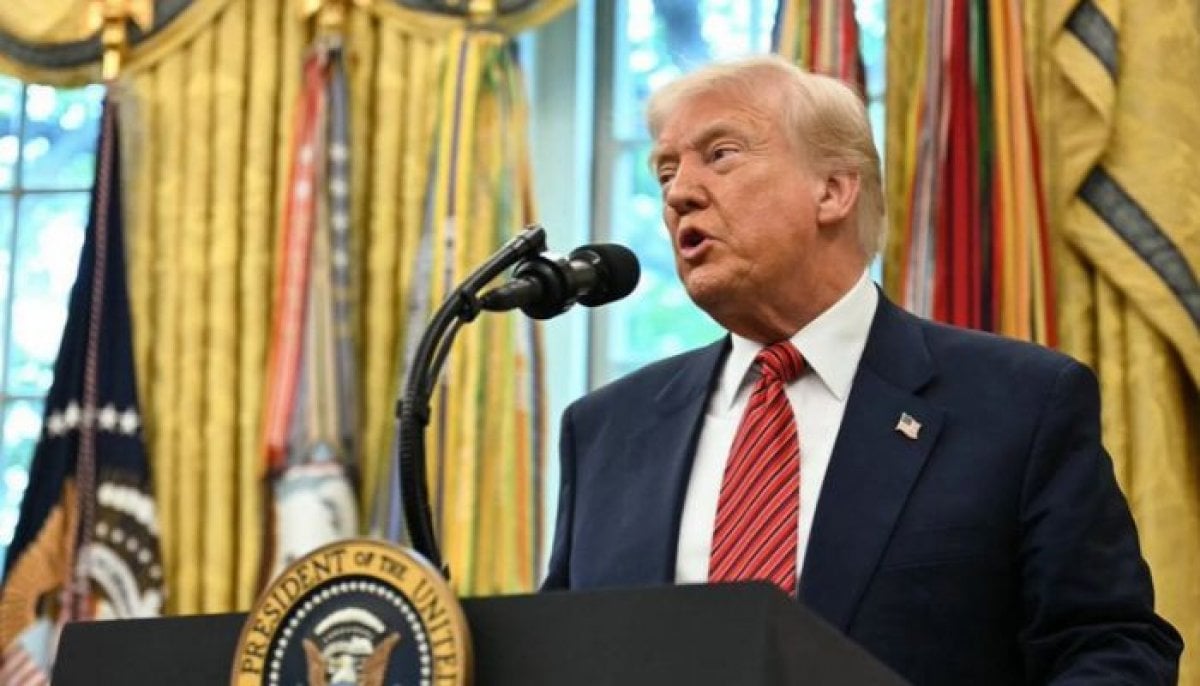
"A lot of people don’t call it a war. I call it a military conflict because it’s small potatoes for us. It’s not a big thing," Trump said in the Oval Office. He contrasted the casualty figures with historical conflicts, noting that eighteen service members have died in the current campaign, while pointing to past engagements like the Vietnam War.
The conflict began in late February, nearly seven months prior. While the administration maintains that major combat operations wound down weeks after commencing, thousands of Iranians have been reported killed, and more than 750 U.S. Service members have been wounded. Vice President JD Vance similarly noted during a White House briefing that active shooting had largely subsided following an initial six-week combat phase.
Energy Markets and Alternative Transit Routes
Despite administration assertions regarding the conflict's scale, the blockade and ongoing hostilities in the Strait of Hormuz have continued to stifle international trade and oil supplies. National Economic Council Director Kevin Hassett stated that officials monitor daily oil throughput via the vital waterway, while noting that Saudi Arabia has increased transport through pipelines leading to the Red Sea.
President Trump argued that the strategic waterway is losing its historical centrality to global energy markets due to the development of alternative pipelines and overland routes. Trump pointed to overland transportation corridors through Syria utilized by crude-carrying trucks as part of an expanding network designed to bypass the strait.
| Energy Indicator | Current Price / Metric | Historical Comparison |
|---|---|---|
| Regular Gasoline (National Average) | $4.15 per gallon | Record high for Labor Day; never topped $4 on the holiday previously |
| Diesel | $5.85 per gallon | Surpassed previous record of $5.81 set in June 2022 |
| Brent Crude Benchmark | Around $95 a barrel | Approximately 45% higher than levels recorded one year prior |
| Strait of Hormuz Transits | 102 transits recorded over a recent weekly period | Down from pre-war daily averages exceeding 130 transits |
Data from shipping intelligence firms indicate that vessel traffic through the Strait of Hormuz stays suppressed compared to pre-war norms. Tanker operators continue utilizing a southern route near the coast of Oman under the protection of U.S. Forces to maintain partial oil flows.
Financial Sanctions and Diplomatic Actions
Economic pressure intensified as the U.S. Treasury Department announced new sanctions targeting a Turkish financial institution, Golden Global Yatirim Bankasi Anonim Sirketi, alleging it facilitated millions of dollars in transactions for Iran's Islamic Revolutionary Guard Corps. Treasury Secretary Scott Bessent emphasized that international financial institutions supporting the Iranian regime will face continued enforcement actions.
Concurrently, diplomatic efforts advanced regarding Iran's nuclear program. Diplomats revealed that the United States, Britain, France, and Germany drafted a resolution for the International Atomic Energy Agency Board of Governors seeking to refer Tehran to the United Nations Security Council. The move follows a determination by the IAEA board finding Iran in noncompliance with its Nuclear Non-Proliferation Treaty obligations. Punitive measures by the Security Council remain uncertain, however, given the potential veto power held by Russian and Chinese delegates.
Regional Developments in Saudi Arabia and Lebanon
In response to ongoing regional threats, the U.S. State Department notified Congress of an approved $5 billion military sale to Saudi Arabia, encompassing bombs, guidance kits, and defense equipment designed to bolster the kingdom's airborne defense capabilities against regional drone and missile attacks.
Along the northern border, diplomatic implementation of the trilateral framework involving the U.S., Israel, and Lebanon continued. Israeli authorities freed a total of five Lebanese detainees over two days through the mediation of the International Committee of the Red Cross. Lebanese President Joseph Aoun welcomed the release as an initial step toward restoring full sovereignty, while humanitarian officials noted that returning residents in southern areas face widespread infrastructure damage and ongoing security challenges.
Next Steps
Pending diplomatic decisions center on the IAEA Board of Governors meeting in Vienna, where the draft resolution concerning Iran's nuclear noncompliance is scheduled to face a vote once formally submitted. Meanwhile, U.S. Lawmakers will review the proposed military equipment sale to Saudi Arabia, and administration officials continue monitoring daily oil flow metrics through Middle Eastern transport channels.
How significant is this development?
Participate in our community survey on the trajectory and real-world impact of this news.