Trump says all mines cleared from Strait of Hormuz
The US has cleared naval mines from the Strait of Hormuz as Washington launches a financial campaign to isolate the Iranian regime.
- Headline Dispatch: Trump says all mines cleared from Strait of Hormuz
- Core Takeaway: The US has cleared naval mines from the Strait of Hormuz as Washington launches a financial campaign to isolate the Iranian regime.
- Source Synthesis: Continuous live monitoring aggregated across major news wires and independent bureaus.
Trump says all mines cleared from Strait of Hormuz
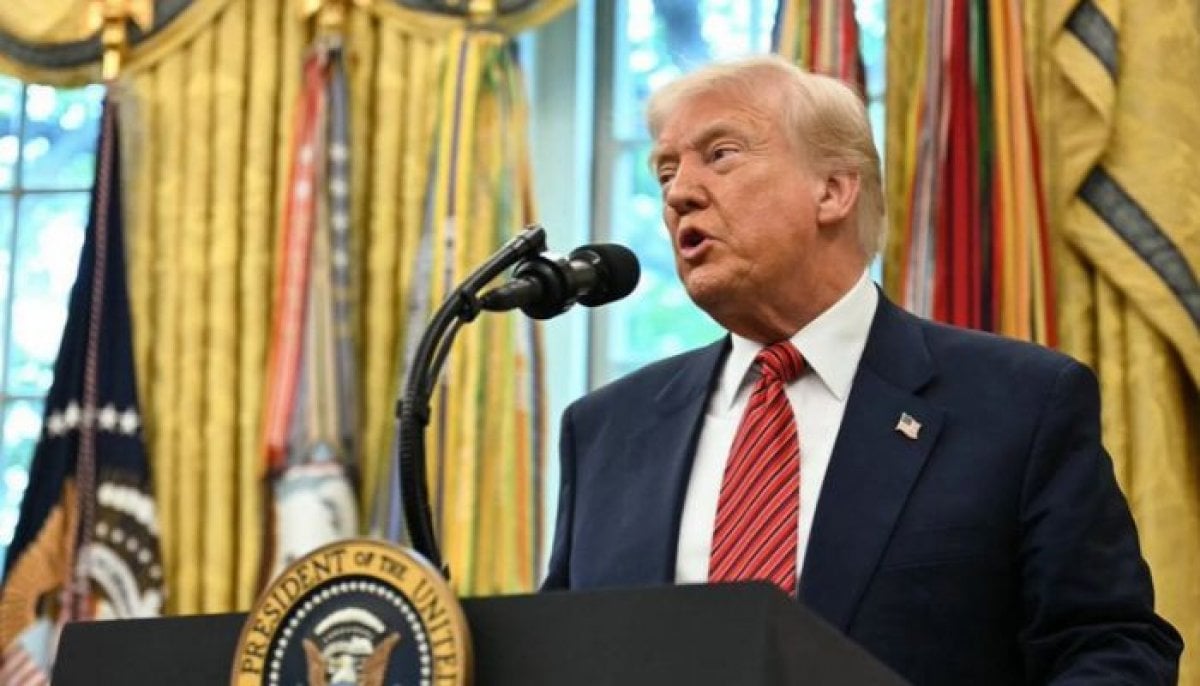
US President Donald Trump announced Tuesday that the US Navy has removed or detonated all mines within the international waters of the Strait of Hormuz. The waterway, a critical link in the global energy supply chain, has been largely closed by Iran since the war in the Middle East began on 28 February with US and Israeli air strikes against Iran.
In a post on Truth Social, Trump warned that any vessel found placing new mines would be immediately and systematically destroyed
, stating that a Zero Tolerance policy on mine placement
is now in effect. He claimed the US Space Force is monitoring every square inch
of the strait, as well as Pickaxe Mountain and three other Iranian nuclear sites that have been destroyed.
The announcement comes as Washington intensifies a pressure campaign against Tehran. US Treasury Secretary Scott Bessent announced the launch of Operation Economic Outcast
, an effort to sever the financial connections of the Iranian regime. Bessent said the campaign aims to sever every economic lifeline
sustaining the government and warned that any nation partnering financially with Iran would be isolated.
The US has expanded sanctions to include shipping, technology, and digital assets, while maintaining a blockade of Iranian ports. Trump asserted that the Islamic Republic is in an economic and military death spiral
, alleging that Tehran is unable to pay large segments
of its military while killing protesters at unprecedented levels. He described the situation in Iran as a humanitarian crisis of epic proportions
.
The escalation follows the collapse of a June Memorandum of Understanding (MoU) between the US and Iran. The 14-point document set a 60-day deadline to reach a deal on the Strait of Hormuz before starting negotiations on nuclear issues. That deadline has expired, and talks have collapsed. Trump believes the resulting sanctions will lead to the collapse of the Iranian regime.
Iran's Economy Minister Ali Madanizadeh stated Tehran is fully prepared
for the wider sanctions, claiming they would result in another defeat
for the US. China, the primary buyer of Iranian oil, has condemned the illegal unilateral sanctions
and said it would take all necessary measures
to protect its rights. This tension arrives ahead of planned talks next month between Trump and Chinese President Xi Jinping; Washington remains wary of potential retaliation from Beijing regarding its control of critical minerals and rare earths.
The conflict has severely impacted global energy transit. Data from shiptracker Vortexa showed oil transits through the strait fell to 5 million barrels per day on Monday, down from more than 20 million per day before the war—roughly 20% of global oil and liquefied natural gas usage.
While the US pursues military and economic pressure, other regional efforts to stabilize the waterway are emerging. Iran and Oman announced Tuesday they have discussed a phased framework to restore safe navigation. This proposal includes a joint project to clear mines and the establishment of a joint temporary navigational corridor
through the strait.
Foreign Minister Badr al-Busaidi of Oman and Iranian Foreign Minister Abbas Araghchi said technical negotiations will continue to determine a permanent corridor and a mechanism for future administration of the strait. Pakistan's army chief Asim Munir also held discussions with Iran on Tuesday focused on preventing further escalation and reopening the waterway.
The diplomatic path remains fraught. While Iran seeks full control of the strait, the US and most other nations maintain the passage consists of international waters. Last week, Trump threatened to bomb Oman if it gets in the way
of US-led talks with Iran. It remains unclear if the Iran-Oman negotiations can proceed as the US moves into this new phase of the conflict.
How significant is this development?
Participate in our community survey on the trajectory and real-world impact of this news.